Challenges Faced By Textile Industries In Uganda.
The textile industry in Uganda has been facing a shortage of skilled workers, especially in areas such as design, production, and quality control. This has hindered the industry’s ability to deliver high-quality products and compete effectively in the global market. The lack of a skilled workforce in the textile industry has been a long-standing issue and has posed significant challenges to the growth and development of the industry in Uganda.
One of the primary reasons for the shortage of skilled workers in the textile industry in Uganda is the lack of adequate training and educational opportunities for aspiring professionals. While there are a few vocational training programs and institutions that offer courses in textiles and fashion, these are limited in number and often lack the necessary resources and infrastructure to provide comprehensive training. As a result, many individuals aspiring to work in the textile industry are unable to receive the required education and training, leading to a shortage of skilled workers.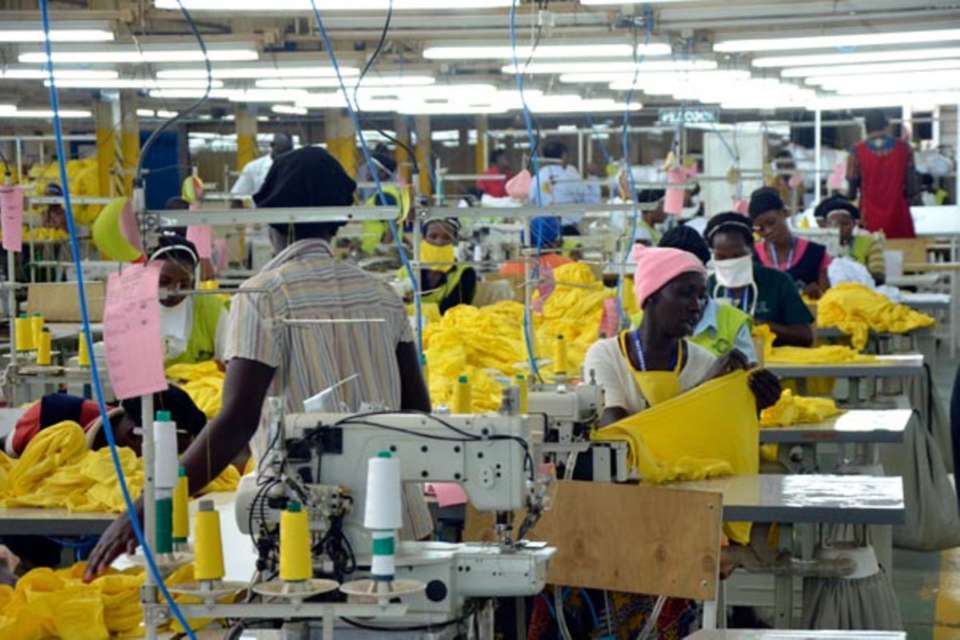
Additionally, the lack of a well-developed and organized textile industry in Uganda has also impacted the availability of skilled workers. The industry lacks sufficient opportunities for employment and career growth, which has led many skilled professionals to seek opportunities in other countries where there is a higher demand for their expertise. This brain drain has further exacerbated the shortage of skilled workers in the industry, making it difficult for local businesses to find and retain talented individuals.
Furthermore, the lack of investment and support from the government and private sector has also contributed to the shortage of skilled workers in the textile industry. The industry requires substantial capital investment in modern technology, equipment, and infrastructure to enhance productivity and quality. However, the lack of funding and support has hindered the industry’s ability to upgrade and modernize its operations, making it less attractive for skilled professionals to work in.
The shortage of skilled workers in the textile industry has had a significant impact on the quality of products being produced in Uganda. Without skilled professionals in design, production, and quality control, many textile businesses have struggled to maintain high standards and meet the demands of the global market. This has ultimately led to a loss of competitiveness and market share, as consumers prefer high-quality products that are in line with the latest fashion trends.
To address the shortage of skilled workers in the textile industry, there is a need for concerted efforts from the government, private sector, and educational institutions. Firstly, there is a need for the government to invest in vocational training and educational programs that focus on textiles and fashion. By providing comprehensive training and education, the government can address the skills gap and ensure that there is a steady supply of skilled professionals in the industry.
Additionally, the private sector also has a role to play in addressing the shortage of skilled workers. Textile businesses should invest in training and development programs for their employees, as well as provide attractive career opportunities and incentives to retain talented individuals. By investing in the workforce, textile businesses can enhance their capabilities and competitiveness in the market.
Moreover, educational institutions should also collaborate with the industry to develop relevant and up-to-date training programs that meet the needs of the textile industry. By working closely with industry professionals, educational institutions can ensure that their curriculum is aligned with the requirements of the industry, thereby producing graduates who are well-equipped to meet the demands of the textile sector.
In conclusion, the shortage of skilled workers in the textile industry in Uganda is a pressing issue that has hindered the industry’s growth and competitiveness. To address this challenge, there is a need for a collaborative effort from the government, private sector, and educational institutions to invest in training and education, provide career opportunities, and modernize the industry. By addressing the shortage of skilled workers, the textile industry in Uganda can enhance its capabilities and contribute to the country’s economic development.
FAQs
Q: What can individuals do to address the shortage of skilled workers in the textile industry in Uganda?
A: Individuals aspiring to work in the textile industry can seek out vocational training programs and educational opportunities that focus on textiles and fashion. By gaining the necessary skills and expertise, individuals can contribute to addressing the shortage of skilled workers in the industry.
Q: What role can the government play in addressing the shortage of skilled workers in the textile industry?
A: The government can invest in vocational training and educational programs, as well as provide incentives for the industry to upgrade and modernize its operations. By supporting the industry, the government can ensure that there is a steady supply of skilled workers in the textile industry.
Q: How can the private sector contribute to addressing the shortage of skilled workers in the textile industry?
A: The private sector can invest in training and development programs for their employees, as well as provide attractive career opportunities and incentives to retain talented individuals. By investing in the workforce, textile businesses can enhance their capabilities and competitiveness in the market.