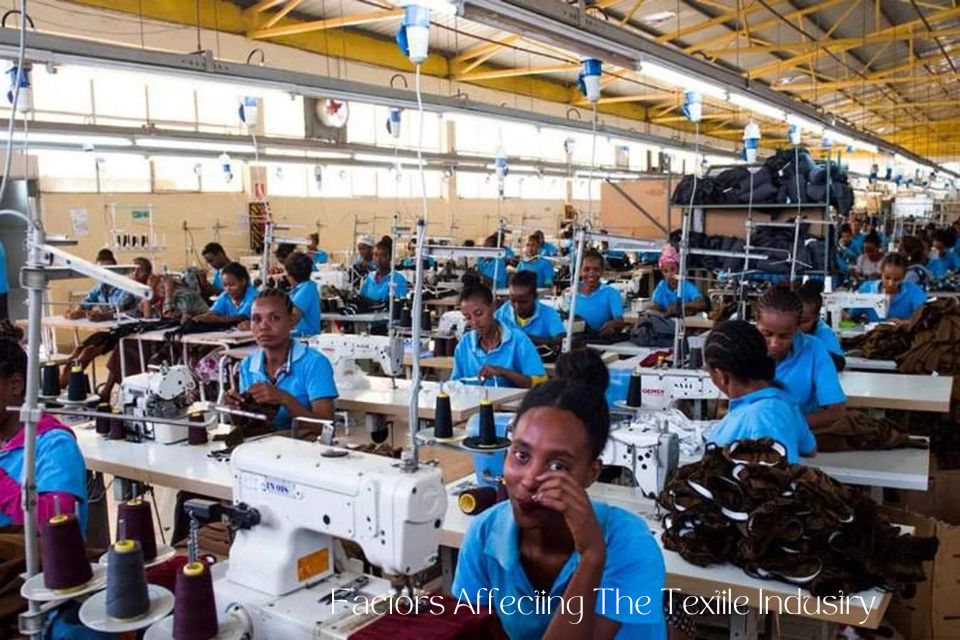
Factors Affecting The Textile Industry
The fashion industry is a dynamic and ever-changing landscape that is heavily influenced by economic factors. Fluctuations in the global economy, changes in consumer spending habits, and inflation rates can significantly impact the textile industry. These economic factors have the potential to shape trends, impact consumer behavior, and ultimately determine the success or failure of fashion brands and retailers.
[lwptoc]
Economic downturns can lead to decreased demand for textiles, as consumers become more conservative with their spending habits. During times of economic uncertainty, individuals may prioritize their basic needs over luxury or non-essential items like clothing and home textiles. This can lead to a decrease in consumer spending on fashion, resulting in lower sales for fashion brands and retailers. Additionally, economic downturns can also lead to reduced disposable income, making it more difficult for consumers to justify spending on non-essential items.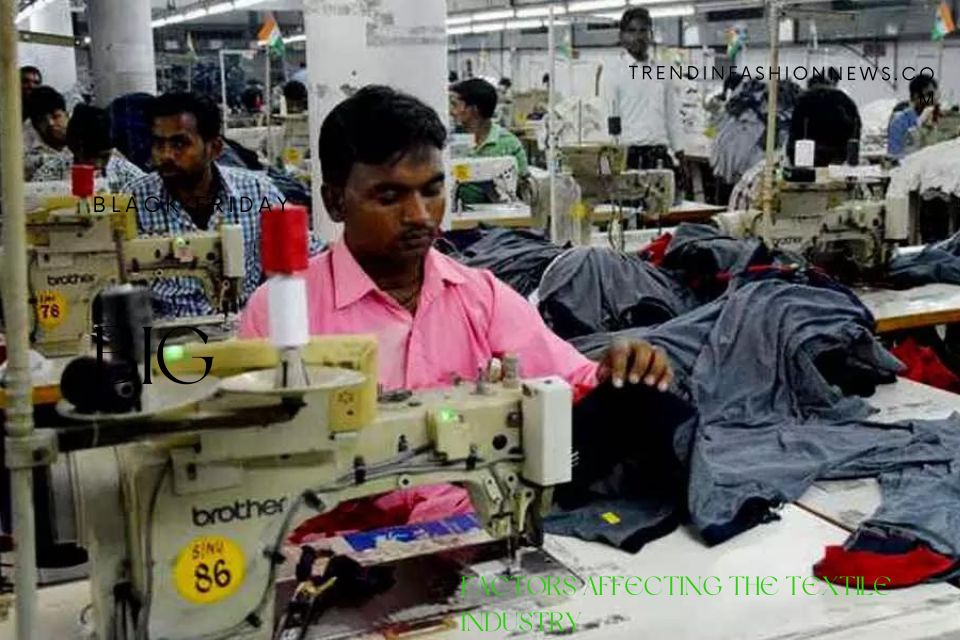
On the other hand, an economic boom can lead to increased consumer spending on clothing and home textiles. During times of economic prosperity, individuals are more likely to have disposable income that they can allocate towards fashion purchases. This can lead to an increase in demand for textiles, as consumers are more willing to invest in new clothing and home decor. In addition, a strong economy can also lead to an increase in consumer confidence, which in turn can drive higher spending on fashion and textiles.
Inflation rates also play a significant role in the textile industry. When inflation is high, the cost of production and manufacturing of textiles can increase, leading to higher prices for consumers. This can impact consumer purchasing power and discretionary spending, as individuals may have to allocate more of their budgets toward essential items. In addition, high inflation can also lead to higher prices for raw materials and production costs, which can impact the profitability of fashion brands and retailers.
In contrast, low inflation rates can have a positive impact on the textile industry. Lower production and manufacturing costs can lead to more affordable prices for consumers, leading to increased demand for textiles and fashion products. Additionally, lower inflation can also lead to greater consumer confidence and increased spending on fashion and home textiles.
Changes in consumer spending habits are another economic factor that can impact the textile industry. As consumers’ preferences, priorities, and values evolve, so too do their spending habits. For example, the rise of sustainable and ethical fashion has led to an increase in demand for environmentally friendly and socially responsible textiles. This shift in consumer behavior has influenced fashion brands to adopt more sustainable practices and offer eco-friendly products.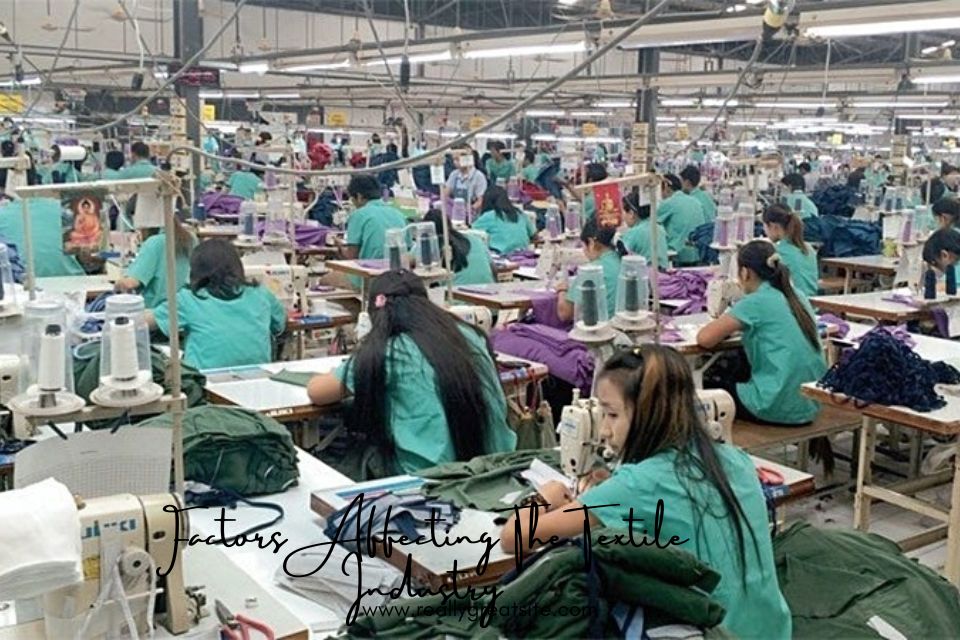
Moreover, the rise of e-commerce and the shift towards online shopping has also impacted consumer spending habits. The convenience and accessibility of online shopping have led to changes in the way consumers shop for fashion, leading to a decrease in traditional retail sales and an increase in online sales. This shift in consumer behavior has forced fashion brands and retailers to adapt to the digital landscape and invest in online marketing and e-commerce platforms.
Frequently Asked Questions
Q: How does the global economy impact the textile industry?
A: Fluctuations in the global economy can impact consumer spending habits, production costs, and demand for textiles, which in turn can significantly impact the textile industry.
Q: What are some examples of economic factors that influence the fashion industry?
A: Examples of economic factors that influence the fashion industry include economic downturns, inflation rates, changes in consumer spending habits, and global economic trends.
Q: How does inflation impact the cost of textiles?
A: High inflation rates can lead to increased production and manufacturing costs, which can result in higher prices for textiles and fashion products. Conversely, low inflation rates can lead to more affordable prices for consumers.
Q: How have changes in consumer spending habits influenced the textile industry?
A: Changes in consumer spending habits, such as the shift towards sustainable and ethical fashion, the rise of e-commerce, and the preference for online shopping, have significantly influenced the textile industry and forced fashion brands and retailers to adapt to these changes.
In conclusion, economic factors such as fluctuations in the global economy, changes in consumer spending habits, and inflation rates play a significant role in shaping the textile industry. These factors can impact demand for textiles, production costs, consumer purchasing power, and overall consumer behavior. Fashion brands and retailers must be mindful of these economic factors and adapt their strategies to navigate the ever-changing landscape of the fashion industry.