How Can I Look Hot And Attractive?
If you’ve ever asked yourself, “How can I look hot and attractive?” then this article is for you. I’m going to walk you through practical styling tips, what to wear, when and where to wear it, and importantly: what colours tend to make a strong impact. You’ll get actionable steps, not vague slogans. Let’s dive in.
Why style matters (and how it works)
When you walk into a room, your clothes send signals. They say things like: I care about myself, I’m confident, or I didn’t try at all. If you want to look hot and attractive, you’re not just chasing trends—you’re choosing clothes that support how you want to feel and how you want to show up.
Style is more than fashion. It’s about:
-
Fit: How the clothes sit on your body.
-
Colour: The hues you choose matter a lot.
-
Context: Where you wear it (a party vs. a work event).
-
How you feel wearing it: Confidence goes a long way.
We’ll explore all those pieces.
How to fashion – tips for styling it
Choose fit first
Clothes may look great on a hanger, but the key is how they fit you.
-
If a shirt is too loose, it can look sloppy. If it’s too tight, it can look forced.
-
Tailoring helps: little adjustments (like shortening sleeves or taking in a waist) make a big difference.
-
For trousers or skirts: the right length and hug matters. A well-fitted neckline, a jacket that sits right, all matter.
Build outfits around one strong piece
Rather than trying to go overboard, pick one piece to anchor your outfit — maybe a jacket, or a pair of statement shoes. Then keep the rest clean and complementary.
-
For example: A sleek leather jacket + plain tee + fitted jeans = edgy but attractive.
-
Or: A well-cut dress in a strong colour + minimal accessories.
This makes styling easier and avoids clutter.
Mind the occasion (when and where, and how)
-
Casual: For outings with friends, you can lean relaxed: good denim, clean shoes, a casual top with interest (texture, pattern, or colour).
-
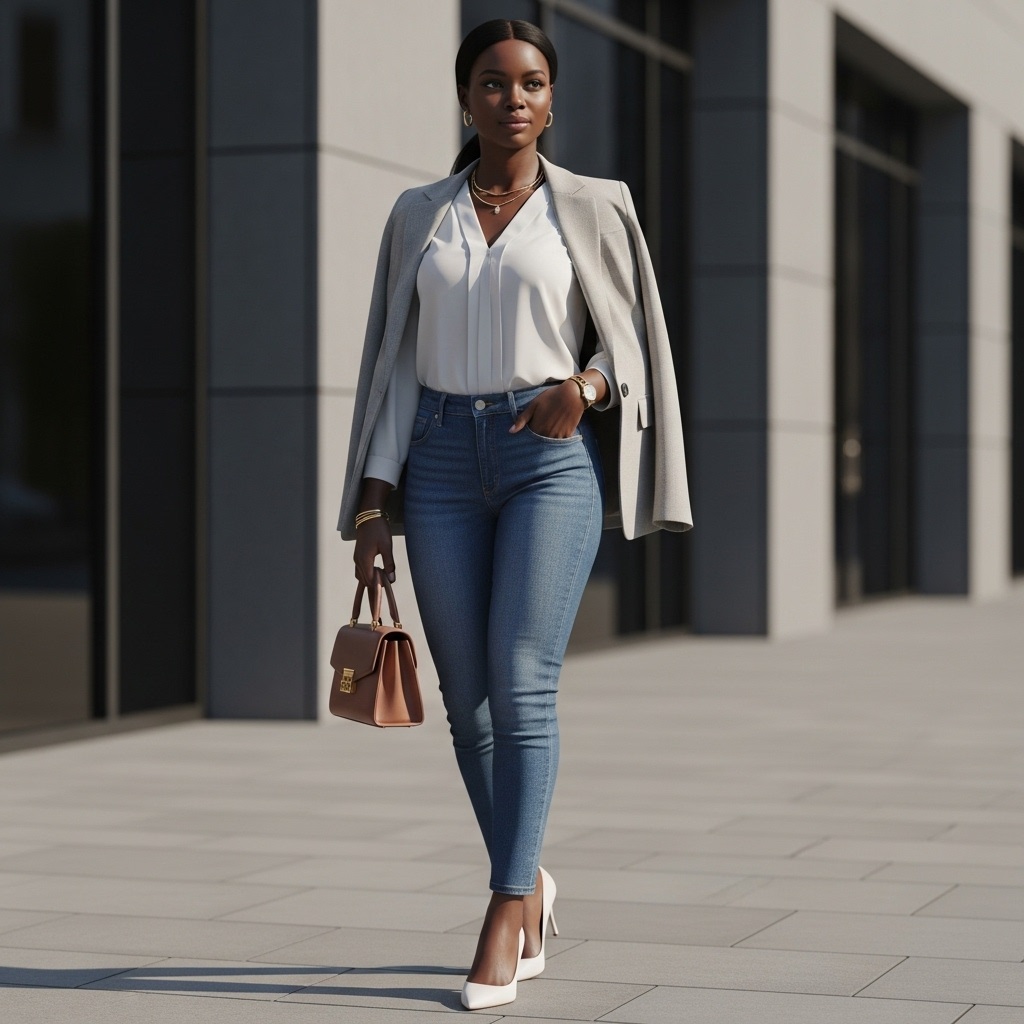
Daytime smart: For lunches or daytime events: blazer plus a neat top or dress, not too flashy but polished.
-
Evening / going out: This is your chance to step it up: fabrics like satin or silk, deeper colours, a bit of shimmer or a bold accessory.
-
Always ask: Does this feel right for the setting? If you’re overdressed or underdressed, you’ll feel awkward, which affects attractiveness.
Accessorize smartly
-
One or two good pieces rather than many. A watch or bracelet that fits your style, a necklace or earring that complements the neckline.
-
Shoes matter more than many think. A clean, neat pair makes the outfit lift; worn-out, mismatched shoes pull everything down.
-
Grooming counts: neat hair, clean nails, minimal but well-applied makeup (if you use it). These finishing details support the look.
What colour looks attractive
Colours play an interesting psychological role in how people perceive you. There’s research behind this. For instance:
-
Studies find that wearing red tends to increase perceived attractiveness. For example, one paper found that women wearing shades of red were rated as more attractive in photographs. SpringerOpen+2The Aesthetics of Joy+2
-
Another study found that for men being rated by women, red and black were perceived as more attractive than many other colours. Real Men Real Style
-
Also: A broader study of colour preferences in fashion found blue often the most preferred, red next, yellow/green-yellow the least. ResearchGate
So what’s the takeaway?
-
Red is a powerful colour when used well — it catches attention and signals boldness. But it must feel appropriate and not forced.
-
Black is classically attractive: it conveys sleekness, elegance, and often works in evening or formal settings.
-
Blue: especially deeper, richer blues, tend to be safe, flattering and approachable.
-
Avoid relying on very muted greys or washed-out colours for attraction; research suggests they can fail to stand out. The Sun
Colour & your skin tone/hair / personal palette
While general rules help, your individual colouring matters. The right shade of a colour for your skin tone can make a difference. For example, vivid red (high chroma, medium value) often gave higher attractiveness ratings in a study with different skin/hair types. SpringerOpen
So, experiment: find your “power” colours—ones that make your eyes pop, your skin glow, your confidence lift.
When, where, and how to dress smart
If you want to look hot and attractive in different settings, here are some guidelines.
Daytime/casual meet-up
-
Choose clean, well-fitting pieces: e.g., a fitted tee or blouse, good jeans or chinos, mid-heel or clean sneakers.
-
Add a pop of colour (maybe your top or accessory) to lift the outfit.
-
Keep accessories simple and hair/grooming tidy.
-
The aim: relaxed yet intentional.
Smart daytime or early evening
-
Upgrade with a blazer or a more refined dress. Choose quality fabrics.
-
Colour: you could experiment with strong but not flashy colour — e.g., deep blue or rich burgundy (or red if you feel confident).
-
Shoes: smart but not ultra-formal; accessories elevated but not overdone.
-
You’ll project polish and attraction without being over the top.
Evening or “going out”
-
This is your bold-but-balanced time. Dress so you stand out—but still feel you.
-
Fabrics like satin, silk, or well-cut tails help.
-
Consider strong colour (like red, black, jewel tones) or a neutral base + standout accessory.
-
Grooming, hair, and makeup (if you wear it) should match the effort.
-
Confidence here is key: how you carry it matters as much as what you’re wearing.
How to fashion: styling suggestions by scenario
Here are practical outfit ideas:
-
Scenario: Restaurant dinner with friends
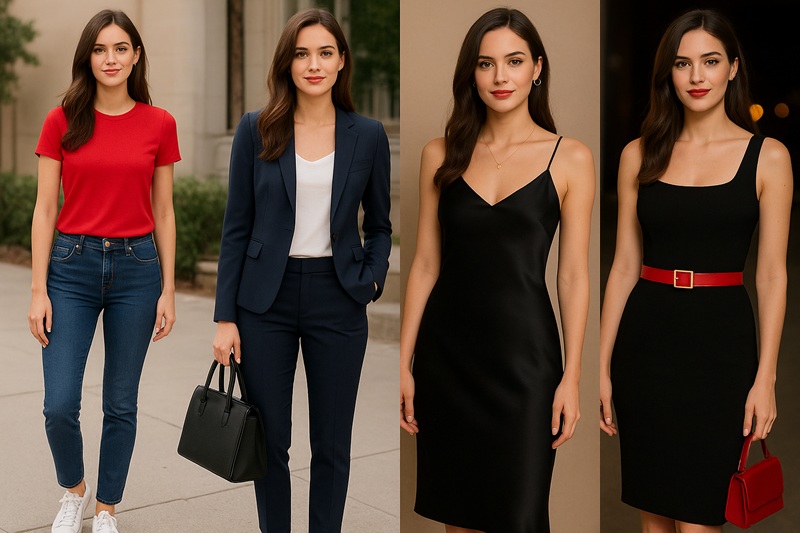
A fitted black dress + red shoes or red clutch. Or a deep blue suit jacket + white tee + dark slim jeans. -
Scenario: Daytime coffee date
A bright red top (if comfortable) + neutral bottom (cream or dark denim). Minimal jewellery. -
Scenario: Networking event
A well-tailored blazer (perhaps in a subtle but rich colour) + blouse + skirt/trousers + classic shoes. Subtle jewellery, neat hair. -
Scenario: Weekend outing with family
A well-fitting tee in your colour, good denim, clean sneakers, and a light jacket. Comfortable and approachable. -
Scenario: Evening party or club
A bold piece (red or black satin top, or a dress with interesting texture) + accessories that speak your style (earrings, belt) + confident shoes.
What to watch out for (common mistakes)
-
Wearing colours or styles that clash with your natural features (skin tone, hair, eyes) — you might look less vibrant.
-
Over-using trends without considering fit or comfort — you may feel awkward.
-
Neglecting grooming or posture undermines the wardrobe.
-
Trying to look “hot” by overdoing: too many accessories, too flashy a colour, or too tight/uncomfortable clothes — it often backfires because you’ll feel self-conscious.
-
Ignoring colour balance: If your top is bold, keep your bottom more neutral so you don’t overwhelm your look.
Confidence and attractiveness—they go hand in hand
Clothes, colour and styling matter—but how you feel in them is just as important. If you’re wearing something that fits well, complements you, and feels right, your posture improves, you reason more clearly, and you engage others better. That’s part of attractiveness.
People don’t just see what you wear—they see how you wear it. Confidence is the boost that ensures your style shines.
Summary
To sum up: looking hot and attractive isn’t about following every trend or buying expensive clothes. It’s about choosing pieces that fit you well, using colour thoughtfully (especially strong colours like red or black, and richer variations of blue), dressing appropriately for the setting, and making sure you feel comfortable and confident. Use fit, colour, occasion-appropriateness and personal comfort as your guide. When you do that, you’ll naturally project attractiveness.
FAQs
Q1: Can I look attractive if I don’t wear bold colours like red or black?
Yes—you absolutely can. Bold colours help but they aren’t mandatory. If you feel more comfortable in softer or neutral shades, choose rich versions of those (for example, a deep navy instead of pale grey) and make sure the clothes fit well and the cut is flattering. Confidence and fit matter more than colour alone.
Q2: What if I have a limited budget—how can I still look attractive?
Focus on key pieces that make an impact: one well-fitting jacket, a good pair of shoes, a staple dress or trousers that fit you well. Keep the rest simple. Use a standout colour or accessory. Grooming and posture also cost nothing but make a big difference.
Q3: How do I pick colours that work for me?
Try colours near your face (tops or blouses) and see how your skin looks: does it brighten? Do your eyes pop? Avoid colours that make you look washed-out or tired. Experiment with rich versus muted versions of colours. As research shows, the exact shade (chroma/value) matters. SpringerOpen Also, observe how people compliment you—what colours have resulted in positive reactions?
Q4: Can accessories make a difference in attractiveness?
Absolutely. Accessories can elevate an outfit. But they need to be intentional: one or two meaningful pieces rather than many. Something that aligns with your style, fits the occasion, and adds interest without cluttering your look.
Q5: I’m worried about looking “too much” or “not enough.” What’s the safe middle ground?
Safe middle ground: pick one standout element (colour, texture, accessory) and keep other parts simpler. For example: a striking red top + dark jeans + neutral shoes. Or a black dress + bold necklace. Keep your overall look balanced, and make sure you feel comfortable—that often determines whether something looks “too much” or “just right.”
Dos and Don’ts
Do:
-
Do pick clothes that fit well and make you feel comfortable.
-
Do invest in key pieces (good shoes, jacket, trousers/dress) rather than many cheap ones.
-
Do use colour intentionally: one strong colour piece is enough; you don’t need head-to-toe bright.
-
Do pay attention to the occasion: dress higher than “just okay” when you want to make an impression.
-
Do keep grooming and posture in mind—these support the wardrobe.
Don’t:
-
Don’t wear clothes that are mis-sized or unfit “because they’re cheap” or “just for now.” It actually drags your look back.
-
Don’t over-accessorise: too many competing pieces can distract and pull away from your overall presence.
-
Don’t ignore colour: a dull palette can make you fade into the background.
-
Don’t assume trends always mean attractiveness: it’s better to look authentic and comfortable than forced.
-
Don’t undervalue context: what works for the club might not work for a business event, and vice versa.