Which Tribe Was The First In Uganda
The first known tribe in Uganda is the Bantu-speaking people, who are believed to have migrated into the region from the west and north. The Bantu-speaking people are believed to have settled in Uganda around 1000 BCE, bringing with them iron smelting technology and agriculture. Over time, the Bantu-speaking people gave rise to various ethnic groups and tribes in Uganda, including the Baganda, Banyankole, Bakiga, and Basoga, among others.
The Baganda tribe is the largest ethnic group in Uganda, making up about 17% of the population. They are known for their rich cultural traditions, including music, dance, and art. The Baganda people are also known for their intricate and colorful traditional attire, which often includes brightly colored fabrics and elaborate jewelry.
The Banyankole tribe is known for their cattle herding and agriculture, and their traditional attire reflects their pastoral lifestyle. The women wear long, flowing dresses, while the men wear simple, yet elegant, robes and headpieces. The Bakiga tribe, on the other hand, is known for its vibrant dance and music traditions, which are often accompanied by colorful traditional attire.
The Basoga tribe, located in the eastern region of Uganda, is known for its traditional music and dance, as well as its unique attire. The women wear colorful skirts and tops, often adorned with intricate beadwork, while the men wear simple, yet elegant, outfits.
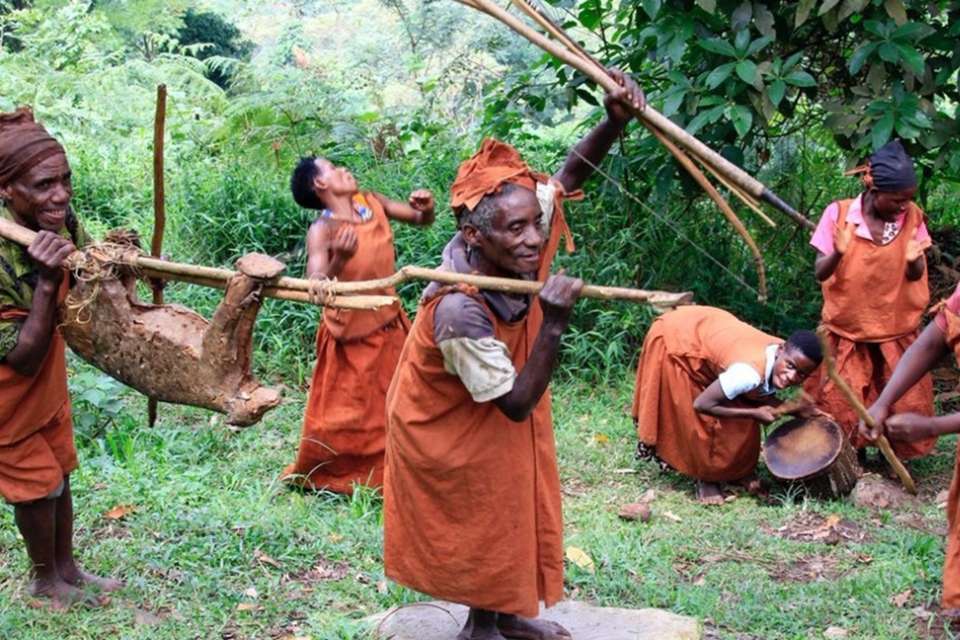
In addition to these larger ethnic groups, Uganda is also home to several smaller tribes, each with its unique cultural traditions and attire. The Karamojong, for example, is known for its pastoral lifestyle and traditional attire, which includes elaborate headpieces and beaded jewelry. The Batwa, a marginalized group of hunter-gatherers, are known for their unique traditional attire, which often includes animal skins and beads.
One of the most striking aspects of traditional Ugandan attire is the use of bright, vibrant colors and intricate patterns. Traditional fabrics, such as bark cloth and kitenge, are often used to create elaborate outfits that are both beautiful and functional. In addition to clothing, traditional Ugandan attire also includes a wide range of accessories, such as beadwork, jewelry, and headpieces, which are often used to symbolize status and identity within the community.
Despite the rich tradition of traditional attire in Uganda, modern fashion has also taken hold in the country, with many Ugandans wearing Western-style clothing daily. However, traditional attire continues to play an important role in Ugandan culture and is often worn during special occasions and celebrations, such as weddings, festivals, and cultural events.
One of the most iconic pieces of traditional Ugandan attire is the gomesi, a long, flowing dress that is worn by women during special occasions. The gomesi is often made from brightly colored fabrics and is adorned with intricate embroidery and beadwork. It is a symbol of Elegance and femininity and is often worn with a matching headscarf and jewelry.
Another traditional Ugandan garment is the kanzu, a long tunic that is worn by men during formal events and religious ceremonies. The kanzu is often made from white or cream-colored fabric and is worn with a matching kufi or hat. It is a symbol of respect and tradition and is often worn with pride by Ugandan men.
In recent years, there has been a growing movement to promote and preserve traditional Ugandan attire and craftsmanship. Organizations such as the Uganda National Cultural Centre and the Uganda Cultural Foundation have been working to support local artisans and designers and to promote traditional attire through fashion shows, exhibitions, and workshops.
In addition to traditional attire, Uganda is also home to a thriving contemporary fashion scene, with several young designers and fashion entrepreneurs making their mark on the international stage. These designers often draw inspiration from traditional Ugandan attire and craftsmanship and are known for their innovative use of traditional fabrics and techniques.
Despite the growing influence of modern fashion in Uganda, traditional attire continues to play a vital role in Ugandan culture, serving as a symbol of identity, heritage, and tradition. Whether worn during special occasions or as part of everyday life, traditional Ugandan attire is a source of pride and celebration for the people of Uganda.
FAQs:
Q: What are some traditional fabrics used in Ugandan attire?
A: Some traditional fabrics used in Ugandan attire include bark cloth, kitenge, and kikoy, which are often used to create beautiful and intricate outfits.
Q: What are some traditional accessories worn by Ugandans?
A: Traditional Ugandan accessories include beadwork, jewelry, and headpieces, which are often used to symbolize status and identity within the community.
Q: How is traditional Ugandan attire different from modern fashion?
A: Traditional Ugandan attire often includes bright, vibrant colors and intricate patterns, and is often worn during special occasions and celebrations, while modern fashion in Uganda is influenced by Western styles and trends.