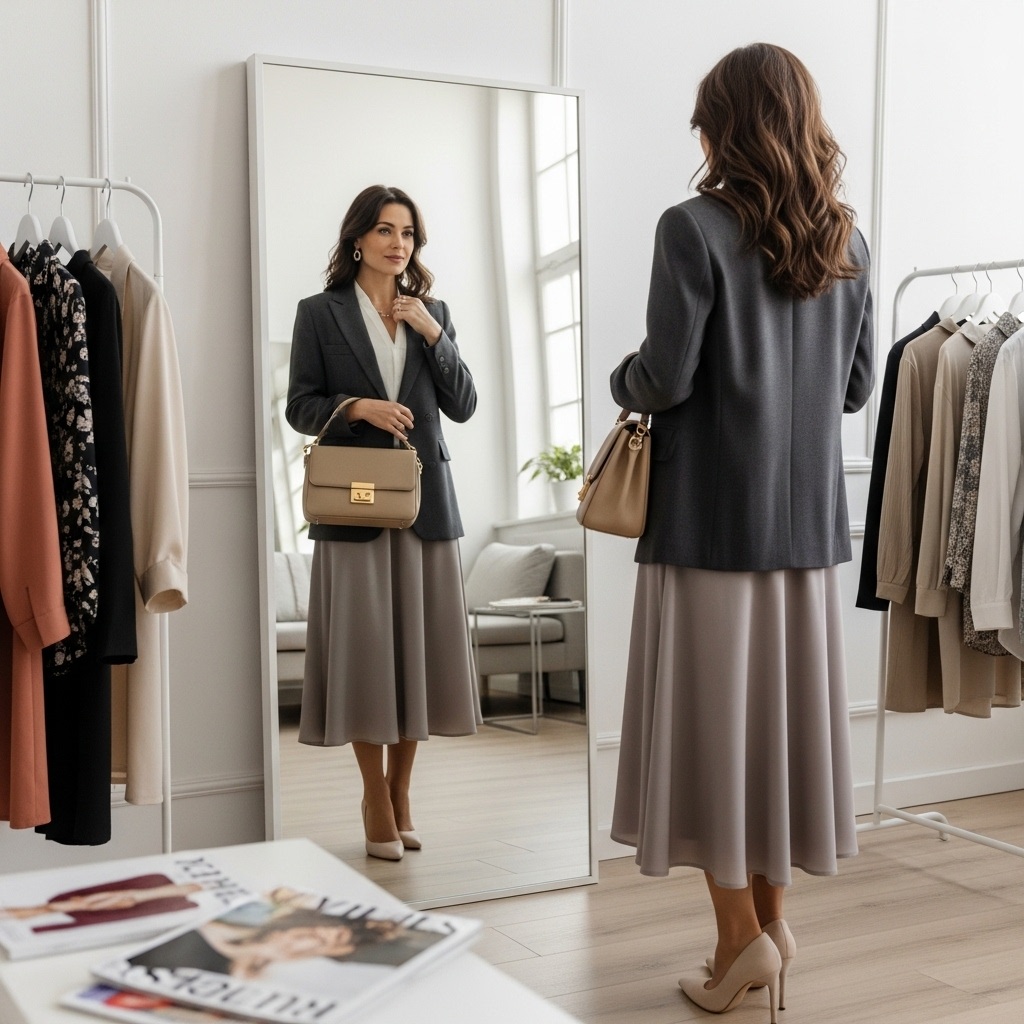
Understanding Fashion Rules for Women
Fashion is often described as a form of self-expression, but even self-expression works best when guided by a few principles. These rules are not meant to restrict creativity; rather, they act as road signs to help women look polished, confident, and comfortable in their choices. Think of them as the grammar of style: once you know them, you can choose when to follow or bend them.
Dressing for Your Body Shape
Every woman has a unique body shape, and clothes look different depending on proportions. Identifying whether you are pear-shaped, apple-shaped, rectangular, or hourglass can make shopping easier.
-
Pear shapes benefit from drawing attention upward, with structured shoulders, bright tops, or statement necklaces.
-
Apple shapes often look balanced in V-necklines and empire-waist dresses that create a defined waist.
-
Rectangular figures gain curves with belted dresses, peplum tops, or layered skirts.
-
Hourglass shapes shine when outfits highlight the natural waist, like wrap dresses or fitted blouses.
The idea is to emphasize what you like and create balance. Nobody is “wrong,” the trick lies in knowing how to dress it.
Choosing the Right Fit
Fit matters more than any fashion trend. An expensive outfit will look cheap if it is too tight or too loose. Simple adjustments from a tailor can transform how you carry yourself. Hemming trousers to the right length, adjusting sleeve width, or tapering a skirt are small fixes that make a big difference.
Always sit, walk, and move in what you try on. If it pinches, pulls, or requires constant adjustment, it is not the right piece for you.
Building a Functional Wardrobe
Fashion rules are easier to follow when you have a reliable wardrobe base. A functional wardrobe usually includes:
-
A crisp white shirt
-
Well-fitted jeans in a classic cut
-
A black blazer or tailored jacket
-
A versatile little black dress
-
Comfortable neutral shoes
-
A structured handbag
These items act as anchors, allowing you to mix trends without feeling lost. Once the basics are covered, you can play with prints, colors, and accessories.
Color and Skin Tone
Not every color flatters every skin tone. The wrong shade can drain your face, while the right one makes you look radiant. As a general guide:
-
Warm undertones often shine in earthy hues like olive, mustard, or coral.
-
Cool undertones glow in jewel tones like emerald, sapphire, or icy pink.
-
Neutral undertones can pull off a wide range but should balance extremes.
If you are unsure, hold the fabric near your face in natural light and see whether it brightens or dulls your complexion.
Balance Between Trends and Timelessness
Fashion trends come and go quickly. While they can be fun, building your style solely on them leads to a wardrobe that feels outdated in a few months. A good rule is the “80/20 balance”: 80 percent classic and timeless pieces, 20 percent trendy. This ensures you always have a core wardrobe to rely on, with room to experiment.
Shoes and Accessories
Shoes can make or break an outfit. They not only finish the look but also affect posture and comfort. A pair of nude pumps elongates the legs, while sneakers add casual flair to dresses and skirts. Accessories like belts, scarves, and jewelry create individuality, but overdoing them often distracts from the main outfit. Choose one or two statement pieces instead of piling everything at once.
Dressing for the Occasion
Fashion rules are also about context. What works for brunch with friends may not be right for a business meeting. Being overdressed or underdressed can affect how comfortable you feel. A good guideline is to read the room: if the event is formal, lean toward classic cuts and muted colors; if casual, play with relaxed fabrics and cheerful prints.
Always keep one outfit in your wardrobe that works for last-minute formal events—a simple dress or sleek trousers paired with a neutral top.
Comfort Is Part of Style
Many women fall into the trap of choosing looks that appear stylish but feel unbearable. Shoes that hurt after ten minutes or clothes that restrict movement can ruin your confidence. True style blends fashion with comfort. When you feel at ease, you look more natural, and the outfit becomes an extension of your personality instead of a costume.
Personal Expression
Rules guide, but personal expression gives life to fashion. Whether you prefer bold prints, minimalist lines, or cultural attire, your wardrobe should reflect who you are. Some women like mixing vintage with modern, others keep a monochrome palette. As long as you understand the basic principles, bending them is part of owning your style.
Care and Maintenance
Another overlooked rule of fashion is garment care. A wrinkled shirt or scuffed shoes can make even a designer piece look untidy. Invest in proper hangers, shoe polish, and a steamer. Learning simple mending, like fixing a loose button or hemming a skirt, helps prolong the life of your wardrobe and keeps you looking well put-together.
Fashion Etiquette Across Cultures
Travel or social diversity often requires sensitivity to cultural fashion etiquette. Some environments value modesty, while others encourage boldness. Being aware of where you are and respecting cultural norms shows both style and respect. For example, headscarves may be part of traditional attire in some regions, while sleeveless outfits may feel more natural in others.
Fashion at Different Ages
Style evolves with age, but rules remain flexible. What matters most is wearing pieces that highlight confidence rather than trying to hold onto outdated trends. A teenager might explore oversized streetwear, while a woman in her forties may lean toward structured elegance. Both can look stylish if they remain true to their personalities while acknowledging fit and occasion.
Sustainability as a Modern Rule
Today, fashion rules are also influenced by sustainability. Buying fewer, better pieces and supporting ethical brands helps both your wardrobe and the environment. Fast fashion often prioritizes trends over durability, leading to waste. Choosing timeless designs, recycling clothes, or investing in versatile pieces contributes to a more responsible sense of style.
Summary
Fashion rules for women are not rigid restrictions but helpful principles that bring order and clarity to personal style. Knowing your body shape, choosing the right fit, balancing trends with timeless items, and caring for your wardrobe are essential. At the same time, comfort, cultural awareness, and sustainability add depth to how you dress. Once you understand the basics, you have the freedom to express yourself in ways that feel authentic.
FAQs
1. Do I always have to follow fashion rules?
No, rules are guidelines. They help you understand balance and proportion, but personal style often means bending or breaking them once you know the basics.
2. How many basics should I keep in my wardrobe?
Aim for at least six to ten versatile items, like jeans, a blazer, a neutral dress, and comfortable shoes. These form the foundation for mixing with trends.
3. How can I find out which colors suit me best?
Check your undertone by looking at the veins on your wrist. If they appear bluish, you likely have cool undertones; if greenish, warm. Neutrals can usually wear both.
4. Are accessories necessary for every outfit?
Not always. Accessories enhance an outfit, but sometimes a clean, minimalist look is more powerful. One or two well-chosen pieces often have more impact than many.
5. How can I make my fashion choices more sustainable?
Buy fewer, higher-quality items, choose timeless designs, recycle or donate clothes, and consider brands that practice ethical production.