How Can I Make My Outfit More Interesting
Looking at your wardrobe, sometimes everything can feel… flat. You pick something out, put it on, and yet it doesn’t spark the way you want it to. The good news is that making an outfit interesting doesn’t always mean buying a completely new wardrobe. Small tweaks, thoughtful styling, and understanding a few principles of fashion can completely change how you look and feel. Here’s a guide to help you learn how to fashion your outfit with practical tips, styling strategies, and dos and don’ts for dressing smartly.
Understand Your Base Pieces
Before adding layers, accessories, or bold statements, it’s important to know your base. Base pieces are the clothing items that form the foundation of your outfit. This includes things like:
-
Plain tops (white, black, beige)
-
Simple trousers or jeans
-
Neutral shoes
These items provide a blank canvas. From here, you can experiment without the outfit feeling chaotic. Think of your base as a stage—you can build the performance around it.
Tip: Stick to neutral or classic tones for base pieces. These colors are versatile and allow other elements of your outfit to pop.
Play With Color and Patterns
Color is one of the easiest ways to make an outfit interesting. Yet, it’s often misused. Too many colors clashing can overwhelm your look. Here’s how to do it smartly:
-
Choose one statement color. Let this be the focus of your outfit.
-
Mix neutrals with one pop of color. For example, black jeans, a white shirt, and a bright yellow jacket.
-
Experiment with patterns carefully. Stripes, florals, or checks can add personality. Make sure patterns are balanced with solids.
Dos and Don’ts:
-
Do: Use accessories or shoes to introduce small pops of color.
-
Don’t: Mix too many bold patterns unless you understand color harmony.
Accessorize With Intent
Accessories can elevate a basic outfit into something memorable. But the key is intentionality. Don’t just throw on every necklace, bracelet, and belt in sight. Instead:
-
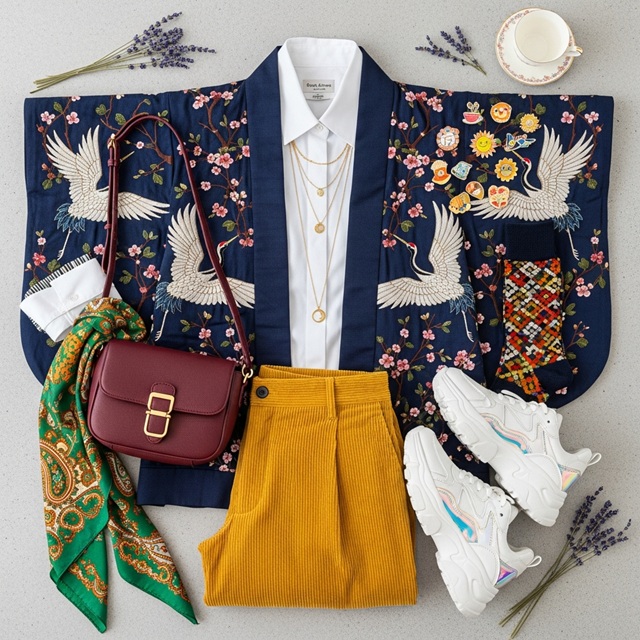
Focus on one statement piece. It could be a chunky necklace, a bold watch, or a colorful scarf.
-
Layer subtly. For jewelry, thin chains or bracelets layered carefully can add depth.
-
Think shoes and bags. A striking handbag or shoes can transform even the simplest jeans-and-tee look.
Accessories allow you to inject personality and reflect your mood or the occasion.
Experiment With Textures and Fabrics
-
Combine leather, denim, silk, cotton, or wool in the same outfit.
-
A silk blouse with denim jeans, or a leather jacket over a soft cotton tee, adds contrast.
-
Knits, velvet, and suede are great for layering in cooler weather.
The variation in textures catches the eye and makes your outfit feel intentional rather than accidental.
Layering Like a Pro
Layering isn’t just about warmth—it’s about style. When done right, it adds dimension and sophistication.
-
Start with a thin base layer. For example, a fitted turtleneck or shirt.
-
Add a mid-layer. A vest, blazer, or light sweater works well.
-
Finish with an outer layer. Jackets, coats, or cardigans add structure.
Quick tip: Avoid overly bulky layers unless your goal is a statement “oversized” look. Clean lines often make an outfit feel smarter and more polished.
Experiment With Proportions
Mixing different silhouettes can make your outfit more dynamic:
-
Pair loose trousers with a fitted top, or a slim skirt with an oversized sweater.
-
Cropped jackets or tops can give long trousers a balanced appearance.
-
Monochrome outfits can be enhanced with a mix of loose and tight layers to avoid looking shapeless.
Proportions create visual interest without adding clutter.
Footwear Makes a Difference
Shoes often make or break an outfit. Consider:
-
Sneakers for casual yet stylish looks
-
Loafers or ankle boots for smart-casual ensembles
-
Heels for a polished, evening-ready outfit
Even simple outfits gain instant personality with thoughtful footwear.
Pay Attention to Fit
Fit is underrated but crucial. Clothes that fit well look intentional and stylish. Avoid:
-
Baggy pieces that overwhelm your frame
-
Overly tight clothing that feels uncomfortable or restrictive
Tailoring is a secret weapon. A small adjustment in sleeve length, hem, or waistline can elevate a basic outfit into something high-end.
Statement Pieces
A single bold piece can turn an outfit from ordinary to extraordinary. Examples include:
-
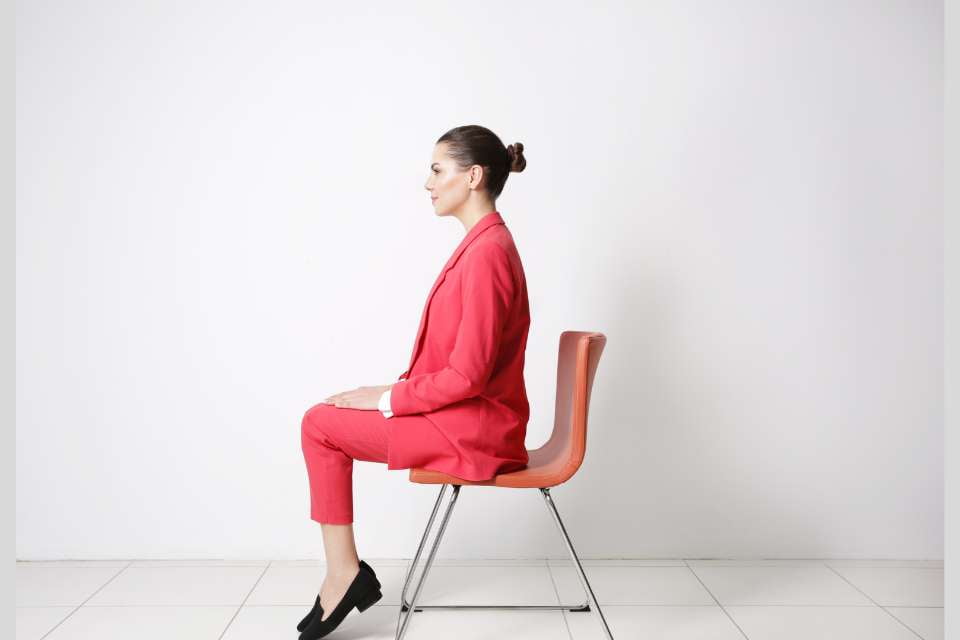
A brightly colored blazer
-
A patterned coat
-
Unique jewelry or a scarf
Tip: If your statement piece is loud, keep the rest of your outfit neutral to avoid visual chaos.
Know When and Where to Dress Smart
Making an outfit interesting isn’t just about aesthetics; context matters. Always consider:
-
The occasion: Casual brunches, work meetings, evening events, or weekends out
-
The environment: Weather, season, and location
-
Your comfort level: Confidence comes from feeling comfortable in what you wear
This awareness ensures your outfit feels intentional and stylish, rather than forced or inappropriate.
Dos and Don’ts of Styling
Dos:
-
Do mix textures and fabrics
-
Do experiment with accessories
-
Do pay attention to proportions and fit
-
Do dress for the occasion
Don’ts:
-
Don’t over-accessorize
-
Don’t wear colors or patterns that clash violently
-
Don’t ignore comfort for style
-
Don’t follow trends blindly—adapt them to your personality
Small Tricks That Make Big Impact
-
Cuff your sleeves or pants: Adds casual sophistication.
-
Tuck in shirts strategically: Can define your waist and polish your look.
-
Layer necklaces or rings carefully: Creates a curated, stylish appearance.
-
Play with belts: Adds shape and highlights your outfit’s structure.
Sometimes, these small details create the “wow” factor without being over the top.
Summary
Making your outfit more interesting is a balance of thoughtful base pieces, smart color and pattern mixing, intentional accessories, and understanding textures, layers, and proportions. Pay attention to fit and context, and don’t be afraid to experiment with statement pieces. By following these strategies, you can turn a simple wardrobe into a dynamic collection of looks that are both stylish and personally expressive.
FAQs
1. How do I make a simple outfit more stylish?
Start with accessories, layer strategically, and introduce textures or a statement piece. Even minor changes can make a huge difference.
2. Can I mix patterns without looking messy?
Yes, but stick to one dominant pattern and balance it with solid colors. Patterns with similar color tones work best together.
3. What are some easy ways to play with color?
Use a neutral base and introduce one pop of color through jackets, shoes, or scarves. Avoid overwhelming combinations unless intentionally bold.
4. How do I know if a statement piece works?
It should stand out without competing with other elements. Pair with neutrals and ensure it matches the occasion.
5. Do I always need to follow fashion trends?
No. Trends can inspire you, but your outfit should reflect your personal style, comfort, and context. Adapt trends to suit your look rather than copying blindly.
6. How important is fit in making an outfit interesting?
Extremely. Even expensive or trendy pieces look sloppy if they don’t fit well. Tailoring can transform a standard outfit into something polished.
7. How can shoes change my outfit?
Shoes can set the tone: casual, formal, edgy, or playful. Switching footwear can make the same outfit suitable for different occasions.