How to Choose the Perfect Fabric: Cashmere, Muslin, Duck
Understanding the fabrics: definitions and basics
Cashmere
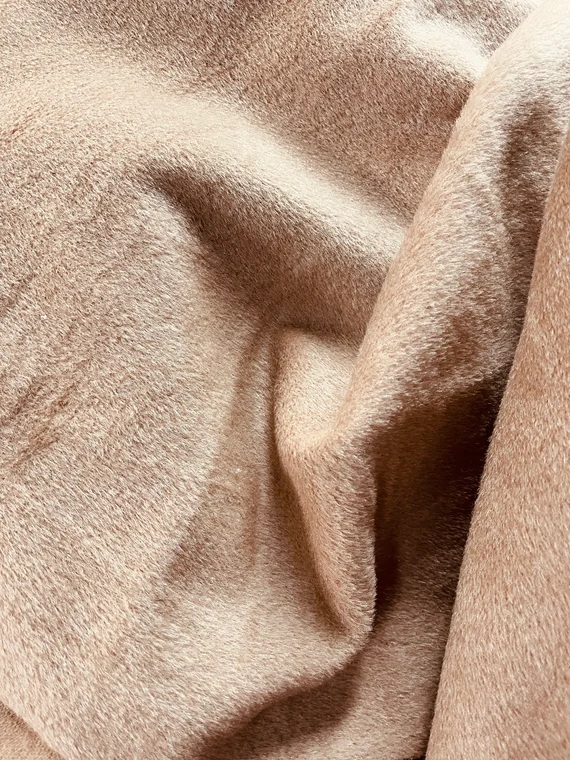
What is cashmere? At its core, it’s a fine wool from the undercoat of the Cashmere goat (or related breeds) native to cold regions of Asia. Tissura+3Wikipedia+3Encyclopedia Britannica+3

Here are the key characteristics:
-
“Fine wool from the undercoat of the cashmere goat” is the definition offered by a dictionary. Merriam-Webster
-
Because the fibres are very fine and soft, the finished fabric feels luxurious and lightweight. MasterClass+1
-
Production is labour-intensive: you need to separate the fine undercoat hairs from the coarse outer hairs. Italy in Cashmere+1

Because of its nature, cashmere tends to cost more and is considered more premium. MasterClass+1
Basically: if you see “cashmere” labelled on a garment, check whether it’s truly made from those fibres, not just a soft blend or imitation.
Muslin

Muslin is a lightweight, plain‐woven cotton fabric. Some key things to know:
-
It is often 100 % cotton and has a plain weave. Online Fabric Store+1
-
It is softer and more pliable compared to some heavier cotton fabrics (like broadcloth) and generally less expensive. Sew What? Inc.+1

- Because of its affordability and ease of use, it is often used for test garments (in sewing) or simpler apparel. Reddit
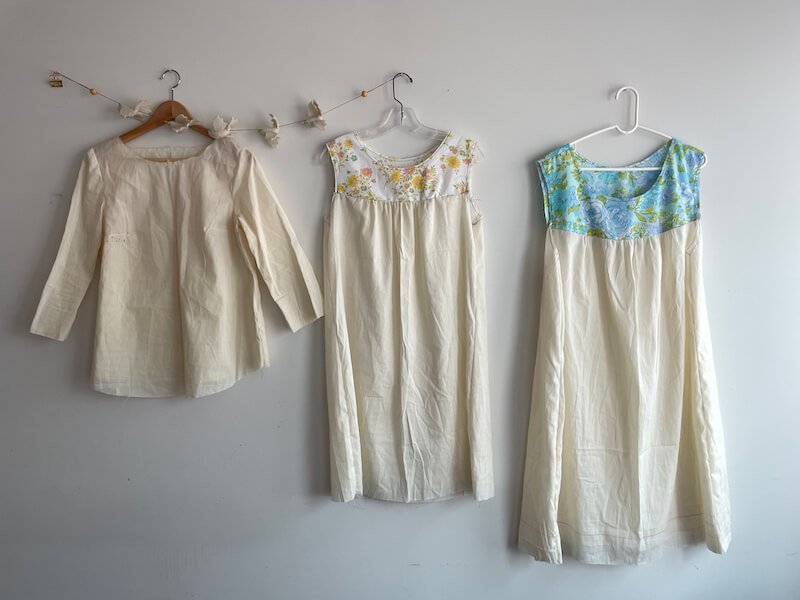
In short, muslin gives you a basic cotton fabric that’s easy to work with and cost-effective—great for certain uses.
Duck fabric (also called cotton duck or duck cloth)

This is a fabric you’ll see more in utilitarian or heavier-duty contexts. Highlights:
-
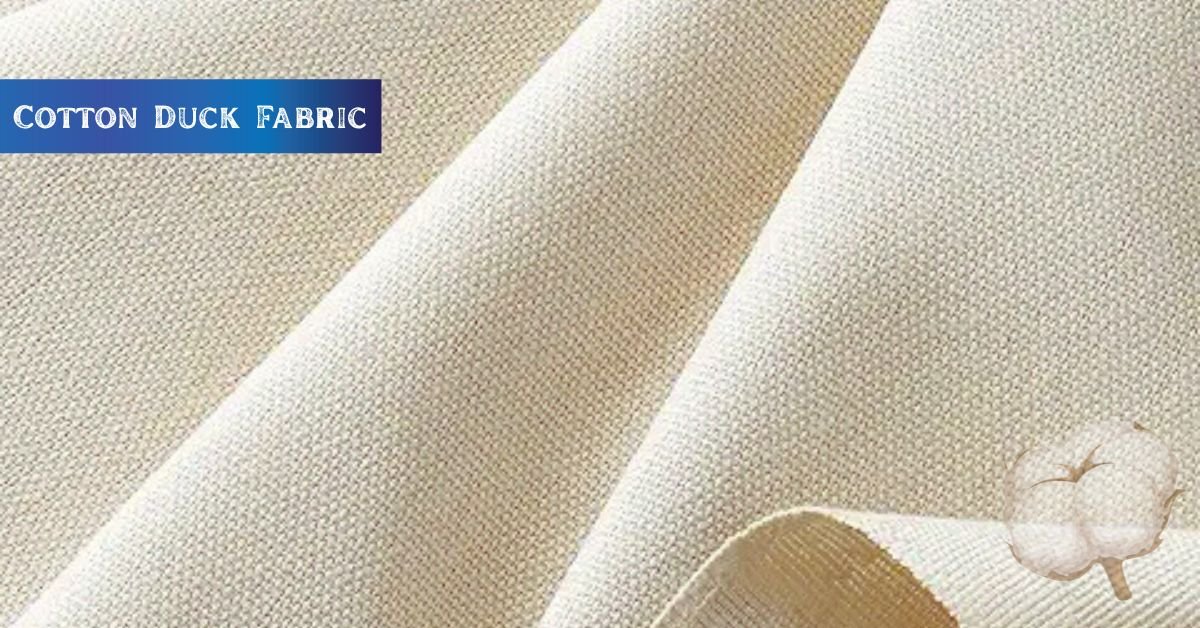
Duck fabric (cotton duck) is a heavy, plain-woven cotton fabric; it’s tightly woven and very durable. Big Duck Canvas
-
The word “duck” comes from the Dutch word doe,k meaning cloth. Dave’s New York+1
-
It’s often used for workwear, bags, tents, upholstery—things that need durability rather than soft drape. TVF
So if you want something robust (for outerwear, heavier garments, or accessories) duck is a strong choice.
Jungle fabric / Jungle cloth / Jungle print

This category is a little more mixed—it can refer to a fabric type (jungle cloth) or a thematic print (“jungle print fabric”). Important notes:
-
Jungle cloth (also called Bedford cloth) is a rugged 100% cotton fabric with wind- and water-resistant qualities, originally used for military garments. Pike Brothers

- Jungle print fabrics are fabrics printed with jungle/tropical motifs (leaves, animals, safari style) used in apparel or décor. djtextilesexport.com+1

When I use the term “jungle fabric” here, I’m referring broadly to either of these possibilities, but in practice, you’ll want to check: is it the heavy, rugged cloth type? Or simply cotton with a jungle print? They are quite different in texture and purpose.
Comparing muslin vs modern fabric
When people talk about “modern fabric”, they often mean fabrics designed with newer blends, synthetics, and advanced finishes (e.g., moisture-wicking polyester, stretch blends, high-performance fabrics). Against that backdrop, muslin occupies a more basic, traditional position.
-
Muslin: simple cotton, plain weave, cost-effective, minimal processing.
-
Modern fabrics: could be blended (cotton/synthetic), or have special finishes, engineered weave, stretch, performance characteristics.
Muslin is great when you need something breathable, natural, easy to sew, and fairly affordable. But if you need durability, stretch, performance (say for sportswear or heavy outerwear) you’ll likely want something more “modern.”
One practical point for you as a consumer: when choosing between fabrics, ask yourself: what performance do I need (durability, drape, weight, insulation, breathability)? How often will this fabric be used? What kind of finish do I want? Muslin might work for everyday lightweight apparel; duck or jungle cloth might work for workwear; cashmere for luxurious soft pieces.
How consumer behaviour affects fabric choices
When someone walks into a shop (physical or online) choosing fabric or garments, several behavioural factors influence the decision:
-
Perceived value and price: When a fabric is labelled “cashmere”, it signals luxury; consumers expect a higher cost, and in turn expect a better feel, longer life. That expectation plays into purchase decisions.
-
Branding & sustainability: Increasingly, consumers look for how a fabric is sourced, how it was made, whether it’s ethical or eco-friendly. For example, many modern cashmere brands emphasise ethical sourcing.
-
Utility vs aesthetics: For fabrics like duck or working-outerwear fabrics, consumers often prioritise durability, whereas for muslin or cashmere, they might prioritise feel, drape, and comfort.
-
Trend influence: In fashion, fabrics can become “in” because of styling trends. For instance, cashmere blended into streetwear or upscale casual looks has become more popular.
-
Sustainability concerns: With growing awareness of environmental issues, consumers are asking: Is this fabric sustainable? Is it over-consuming resources? Will it last long (thus reducing the need for replacement)?
As someone choosing fabrics, it helps to keep your own priorities front and centre: are you buying for everyday wear, for special occasions, for durability, for comfort, for sustainability? Have those in mind and use them to guide your choice of material.
Fabric variations: summarising
Here’s a quick table to help you compare:
| Fabric | Typical Use | Key Qualities | Trade-Offs |
|---|---|---|---|
| Cashmere | Sweaters, scarves, luxury apparel | Soft, lightweight, warm, premium feel | High cost, delicate care required |
| Muslin | Lightweight apparel, test garments | Affordable, breathable, natural cotton | Less durability, minimal finish |
| Duck cloth | Workwear, bags, outerwear, upholstery | Heavy, very durable, tightly woven | Less drape, heavier weight |
| Jungle cloth/print | Rugged outerwear or print fashion | Either rugged cotton cloth or bold print | Might be niche, heavier weight or “print only” |
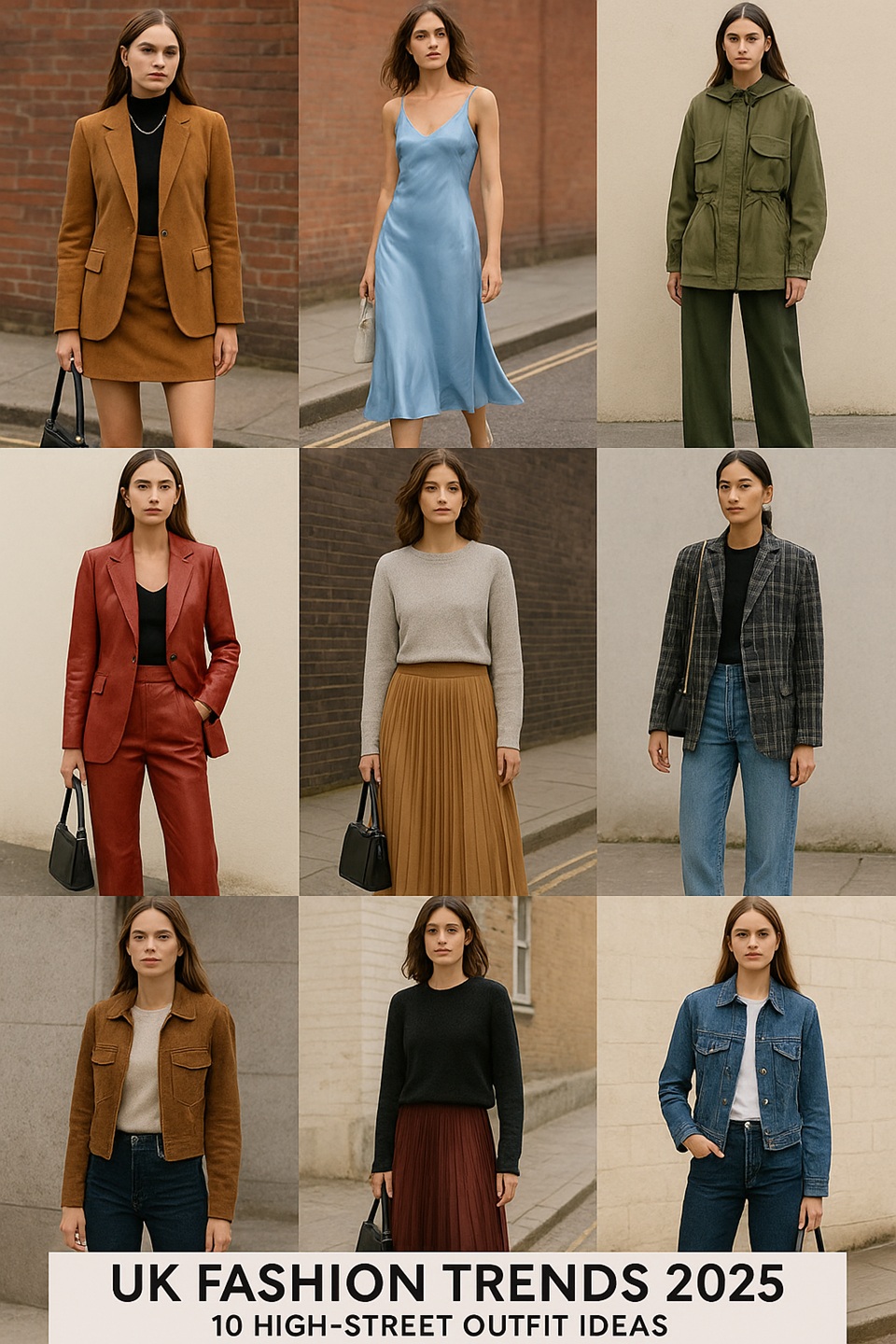
How to incorporate cashmere fabrics with street style
Let’s talk about how cashmere can be integrated into street style—not just as a formal luxury item, but in a more relaxed, everyday way.

-
Layering for texture: A cashmere scarf or light over-top can add texture and elevate even casual outfits (t-shirt + jacket + jeans).
-
Statement piece: If you go bold, choose one cashmere piece (e.g., an oversized cashmere coat) while keeping the rest simple (plain tees, minimalist accessories) so the fabric stands out.

Here are some ideas:
-
Cashmere sweater + jeans + sneakers: Choose a neutral or muted colour cashmere sweater. Pair with slim or relaxed jeans, simple sneakers. The contrast between the luxury fabric and casual pieces gives a fresh, street-smart look.
-
Cashmere hoodie or cardigan: Some brands now make cashmere hoodies or relaxed cardigans. These soften the “luxury” image and make cashmere more accessible for everyday.
-
Accessories: Don’t forget smaller items—cashmere beanie, scarf, and gloves are easier entry points into the fabric world without the full garment cost.
When you choose cashmere for street style, care is important: the fabric is more delicate than heavy cotton or denim, and will need gentler washing/storage. (See care tips below.)
Fabric Care Tips
Cashmere
-
Wash: Hand wash in cold water using a mild wool detergent. Avoid twisting or wringing.
-
Dry: Lay flat on a towel and reshape while damp. Never hang or tumble dry.
-
Storage: Fold and store in a cool, dry place. Use cedar blocks or lavender sachets to keep moths away.
-
Extra Tip: Limit washing — air out your cashmere garments after every few wears to maintain softness.
Muslin
-
Wash: Machine wash in cold or lukewarm water using a gentle cycle.
-
Dry: Tumble dry on low or air dry to prevent shrinkage.
-
Ironing: Use a warm iron if needed; muslin wrinkles easily.
-
Extra Tip: For dyed muslin, wash separately the first few times to prevent color bleeding.
Duck Fabric (Canvas)
-
Wash: Use cold water and mild detergent. Avoid bleach or hot water.
-
Dry: Line dry or use low heat in the dryer to prevent stiffness.
-
Ironing: Press with a steam iron if needed.
-
Extra Tip: Treat with fabric wax or waterproofing spray for outdoor use or bags.
Jungle Fabric (Jungle Cloth)
-
Wash: Gentle machine wash or hand wash in cool water.
-
Dry: Air dry flat; avoid direct sunlight to prevent fading.
-
Ironing: Steam lightly if needed.
-
Extra Tip: Because jungle cloth often has a weatherproof coating, avoid dry cleaning as it may damage the finish.
Modern Synthetic Blends
-
Wash: Machine wash on a gentle cycle with cold water.
-
Dry: Air dry or tumble dry on low. Avoid high heat.
-
Ironing: Usually wrinkle-resistant — if necessary, use a low heat setting.
-
Extra Tip: Avoid fabric softeners; they can reduce moisture-wicking and elasticity.
Where and how to buy these fabrics / leading stores
When sourcing fabric (in Uganda or online) or ready-to-wear garments made from these fabrics, keep in mind:
-
Check fibre content: For cashmere, look for labels saying “100 % cashmere” (or high cashmere content) and ideally validated sourcing.
-
Feel the fabric: For muslin or duck cloth, check weave tightness, weight—heavier duck cloth will feel almost canvas-like, muslin will feel lightweight and soft.
-
Inspect quality: For cashmere, check for pilling or loose fibres; for duck cloth, check sturdy weave; for print fabrics, check print clarity.
-
Local availability: In Uganda, local fabric yards may stock cotton versions of muslin, duck cloth, and prints. For high-end cashmere garments, you may need imported brands or specialised boutiques.
-
Online options: International fabric stores can ship, but check shipping costs, customs/import duty, and local climate suitability (cashmere kept in cooler/humid conditions may need care).
-
Leading stores/brands for cashmere: Many luxury brands work with cashmere. But if you look for accessible cashmere, some newer brands emphasise ethical sourcing and more affordable prices.
In short: buy what meets your usage, budget, care commitment—and always verify if the quality matches the label.
Are these fabrics sustainable?
Let’s look at sustainability issues for each.
-
Cashmere: While natural and premium, cashmere production has environmental concerns—overgrazing by goats in fragile ecosystems has been noted. Wikipedia+1 On the other hand, because cashmere garments tend to be long-lasting, they can be more sustainable in a “buy less, choose better” model.
-
Muslin: As a 100% cotton plain weave, it tends to be lower impact if produced responsibly, but cotton itself can carry heavy water and pesticide footprints.
-
Duck cloth: Heavy cotton fabric—again, cotton usage can be resource-intensive. For outdoor uses, treatments (water-resistant finishes) may add chemical impact.
-
Jungle cloth/print: For jungle cloth (heavy cotton), similar story; for printed fabrics, inks and finishing may carry additional environmental cost. Also, printed design fabrics might encourage faster fashion turnover.
From a consumer perspective: choosing fabrics you’ll use repeatedly, selecting natural fibres (or high-quality blends that will last), caring for them well (so they last) is a strong sustainability move.
Choosing the right fabric is about understanding how you plan to use it, how the feel and behaviour of the fabric match your intention, and what you’re willing to invest (in cost, care, longevity). Here’s a quick recap:
-
Cashmere offers luxury, softness, premium feel—but requires more investment and care.
-
Muslin gives you a basic, lightweight cotton fabric that’s easy to use and budget-friendly.
-
Duck cloth (heavy cotton plain weave) brings durability, suited for workwear, bags, and heavier garments.
-
Jungle fabric/cloth covers both a rugged, heavy cloth option and fashion print fabrics—so check which type you’re dealing with.
-
When comparing muslin vs modern performance fabrics, weigh whether you need comfort/breathability (go muslin) or advanced qualities (go modern).
-
Consumer behaviour matters: perceived value, sustainability, and trend influence all play parts.
-
For cashmere in street style: you don’t need full formal luxury gear—incorporate one cashmere piece with casual items to elevate your look.
-
When buying: check fibre content, feel, quality; consider cost, care needs, local availability.
-
On sustainability: natural fibres are a good start, but production and finishing matter; choosing fabrics you’ll keep and use well helps.
Now, whatever your next fabric-choice decision is—be it for a dress, a jacket, a bag, or home décor—you’ll have clearer criteria. Choose consciously, care for your fabric, and enjoy the process.
FAQs
Q1. Is 100 % cashmere always worth the price?
Yes, if you value the feel, comfort and longevity of the fabric—and are willing to care for it properly. But make sure it truly is 100 % or high content cashmere; there are cheaper imitations. (True cashmere is from the undercoat of cashmere goats.) study.com+1
Q2. Can muslin be used for regular clothing, or is it only for test pieces?
Yes, you can absolutely use muslin for regular clothing—especially lightweight dresses, blouses, summer wear. Its affordability and softness make it appealing. Just keep in mind it may be less durable than heavier fabrics.
Q3. How do I decide between duck cloth and lighter cotton for something like a jacket?
Think about how much wear and tear the jacket will face. If you expect heavy use, outdoor conditions, rougher surfaces—duck cloth (heavy, tightly woven) may be better. If it’s more casual or fashion-oriented, lighter cotton may suffice. Check weight, weave, and feel.
Q4. Are “jungle print” fabrics less durable than plain fabrics?
Durability depends more on fibre and weave than print. A jungle print made on heavy cotton may be highly durable; a light print on thin fabric may not. So when you see “jungle print,” check the underlying fabric quality, not just the motif.
Q5. How should I care for cashmere so it lasts?
Hand-washing in cool water or using a gentle cycle (if labelled safe), avoiding hot water, air-drying flat, storing in breathable bags away from moths—all help. Because cashmere fibres are fine and delicate, careful care extends their life. (And consider wearing it fewer times before washing to reduce wear.)
Q6. If I care about sustainability, which fabric among these should I lean toward?
Focus less on “which fabric is best” and more on “how I use and care for it.” That said: natural fibres (cotton, cashmere) are good starts; choosing proven sourcing, buying less but better, using the item long-term, and avoiding throwaway use are key. For example, a well-made cashmere sweater you keep many years may have a lower overall footprint than many fast-fashion cheap items.
How to Choose the Perfect Fabric Every Time
Choosing fabric doesn’t have to feel intimidating. Whether you’re browsing in a fabric store, scrolling through online options, or feeling bolts of cloth at a local market, here are a few reliable steps to help you make smart choices.
1. Feel before you buy (when possible)
Your hands will tell you a lot. Fabrics can look similar online, but the texture can be very different.
-
For soft, luxurious options, feel for smoothness and warmth — cashmere or fine wools have that buttery touch.
-
For structure or utility, feel for firmness — duck cloth or heavy cotton will hold its shape.
-
For breathability, muslin or light cotton should feel airy and open.
If you’re buying online, read reviews that mention texture and drape, not just colour accuracy.
2. Match the fabric to your purpose
Ask yourself: what will this fabric need to do?
-
Everyday clothing → Muslin, cotton blends, or jersey.
-
Outerwear or bags → Duck fabric or jungle cloth (for strength and water resistance).
-
Luxury or layering → Cashmere, wool, or silk.
Always picture the final use — it’ll guide your fabric weight, durability, and comfort level.
3. Check for care requirements
Before buying, look for care instructions:
-
Some fabrics, like cashmere, require handwashing or dry cleaning.
-
Duck cloth may shrink with hot washing, so prewash before sewing.
-
Muslin is usually machine-washable, making it great for everyday use.
Understanding this up front saves time, frustration, and potential damage later.
4. Look at light reflection and drape
Hold the fabric (or visualise it) under light. Shiny surfaces (like satin or silk) reflect more, giving a formal appearance. Matte surfaces (like muslin, duck, or jersey) feel more casual.
Also, see how it falls — soft fabrics drape; stiff fabrics keep shape.
The right drape can completely change how a garment looks on the body.
5. Think beyond colour — consider season and feel
Lightweight fabrics like muslin or lawn cotton are great for warm seasons.
Medium weights like denim or linen blends work for all-year wear.
Heavier ones like duck, wool, or cashmere are better for cooler weather.
If you shop by season, you’ll always have clothes that feel right when you wear them.
6. Read the label carefully
Labels tell you fibre content (100% cotton, wool blend, polyester mix, etc.) and sometimes weave type. Knowing what you’re buying helps you predict how it will behave — shrinkage, comfort, breathability, and longevity all depend on fibre content.
Avoid buying “mystery blends” with vague terms like “mixed fabric” unless you’re okay with surprises.
7. Start with swatches if you’re unsure
Most online and physical stores offer fabric swatches. Ordering small samples helps you feel and test before committing to a full meter or yard. It’s an inexpensive way to prevent expensive mistakes.
8. Buy with care, not impulse
It’s easy to fall for prints, colours, or trends, but fabrics are long-term investments. Before purchasing, ask yourself:
-
Will I actually wear or use it often?
-
Does it fit my lifestyle (easy-care, breathable, sustainable)?
-
Does it match what I already own?
When you buy with intention, you waste less and appreciate more.
Bonus Tip: Learn the fabric language
Fabrics have a “language” — once you understand it, you can interpret any label.
-
Weave = how it’s made (plain, twill, satin).
-
Fibre = what it’s made from (cotton, wool, polyester).
-
Finish = what’s done after weaving (brushed, waterproof, dyed, printed).
Knowing these three helps you read between the lines of marketing terms like premium, soft-touch, or eco-blend.
Fabric Comparison Chart