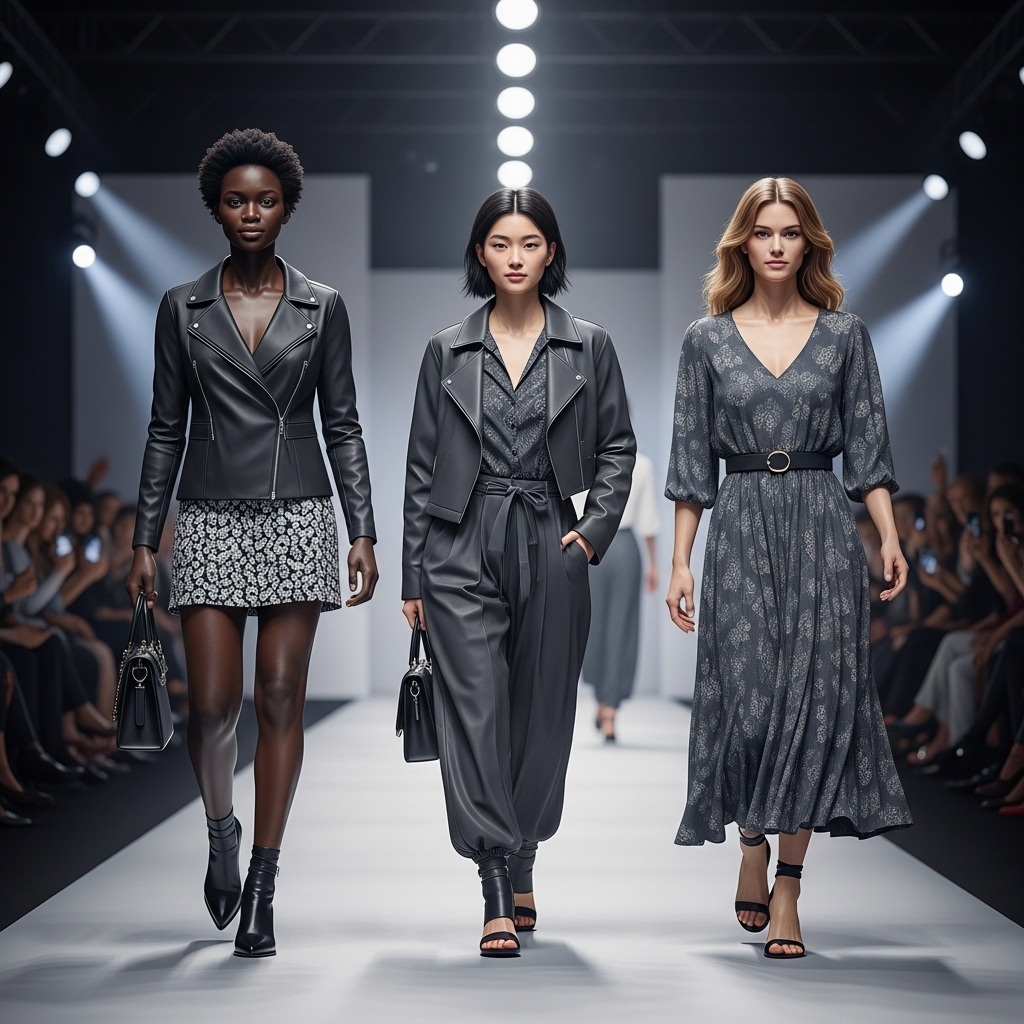
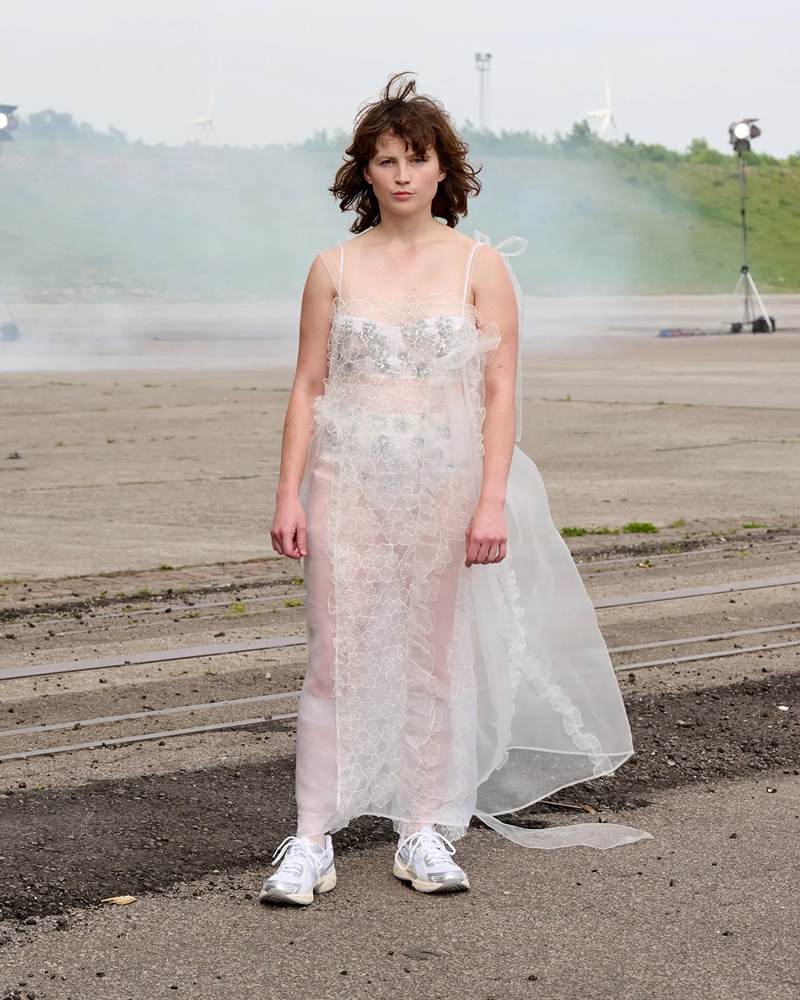
Top 10 Sustainable Fashion Brands Changing the Industry in 2025
Sustainability in fashion is no longer a fleeting trend—it’s a revolution. As climate concerns loom large and consumers become more conscious, the industry is undergoing a much-needed overhaul. From slow fashion houses to eco-tech startups, sustainable brands are forging a new path—one stitch at a time.
In this article, we’ll unveil 10 Sustainable Fashion Brands Changing the Industry, not only by offering style with substance but also by reshaping the very fabric of fashion through innovation, responsibility, and transparency.
Why Sustainability Matters in Fashion
The fashion industry is among the top global polluters. According to the United Nations Environment Programme, it accounts for around 10% of global carbon emissions and nearly 20% of wastewater. Fast fashion, in particular, thrives on speed, waste, and exploitation. This is where sustainable brands step in—not just as businesses, but as movements.
These brands represent a critical shift from disposable fashion to responsible design. They are proving that it’s possible to create garments that are as good for the planet as they are for the people who wear them.
Meet the 10 Sustainable Fashion Brands Changing the Industry
1. Patagonia – The Original Ethical Trailblazer
Focus: Outdoor wear, Activism, Circular economy
Patagonia is often considered the blueprint for sustainable fashion. Known for its outdoor apparel, the brand has built a reputation for activism, transparency, and circular business models. From using recycled materials to offering garment repairs and resale programs through Worn Wear, Patagonia proves that purpose can power profits.
“We’re in business to save our home planet.” — Patagonia’s mission.
-
Sustainability Highlights: Fair Trade certification, 87% recycled materials in 2025 collection, regenerative organic farming.
-
Visit: https://www.patagonia.com
2. Stella McCartney – Luxury With a Conscience
Focus: High-end fashion, cruelty-free materials
Stella McCartney is redefining luxury. Since its launch in 2001, the brand has never used leather, fur, or feathers. Instead, it champions innovative bio-based materials, including mushroom leather and recycled synthetics.
In 2025, McCartney launched the “Future of Fashion” collection, featuring AI-assisted designs made entirely from upcycled textiles and biodegradable fibers.
-
Sustainability Highlights: Plastic-free packaging, animal-free leather, environmental profit and loss tracking.
3. Eileen Fisher – Minimalism Meets Mindfulness
Focus: Timeless pieces, social responsibility
Eileen Fisher is a pioneer of slow fashion. With a commitment to timeless silhouettes and enduring quality, her brand focuses on simplicity and sustainability. Through the Renew program, customers can return used garments for recycling or resale.
-
Sustainability Highlights: Circular design, organic cotton, women-owned supply chain initiatives.
-
Visit: https://www.eileenfisher.com
4. PANGAIA – Where Science Meets Style
Focus: Materials innovation, bio-tech textiles
PANGAIA is a materials science company disguised as a fashion brand. Using seaweed fiber, natural dyes from food waste, and even carbon-capturing T-shirts, this brand is pushing the boundaries of what sustainable fashion can look and feel like.
-
Sustainability Highlights: Carbon-neutral shipping, zero waste packaging, botanical dyes.
-
Visit: https://www.thepangaia.com
5. Reformation – Trendy But Thoughtful
Focus: Youth fashion, data-driven sustainability
Reformation has mastered the art of making sustainability cool. Its collections are youthful, flirty, and environmentally conscious. Every product page includes a RefScale score—a tool that measures the garment’s environmental footprint.
-
Sustainability Highlights: Renewable energy use, water-saving production, transparent supply chains.
6. Veja – Eco-Sneakers With Edge
Focus: Ethical footwear, transparency
Veja, the French sneaker label, is changing the game with minimalist kicks made from wild Amazonian rubber and organic cotton. Unlike other sneaker brands, Veja doesn’t advertise—it lets its ethics and aesthetics speak for themselves.
-
Sustainability Highlights: Vegan options, fair-trade sourcing, ecological rubber harvesting.
-
Visit: https://www.veja-store.com
7. Mara Hoffman – Bold Prints, Ethical Roots
Focus: Artistic design, sustainable materials
Mara Hoffman designs vibrant, expressive clothing using innovative fabrics like TENCEL™, hemp, and ECONYL®. Known for its bold colors and striking prints, the brand merges art with ethics, celebrating diversity in both its collections and campaigns.
-
Sustainability Highlights: Ethical manufacturing, inclusive sizing, regenerative agriculture collaborations.
-
Visit: https://www.marahoffman.com
8. People Tree – The Fair Trade Favorite
Focus: Affordable fashion, artisan partnerships
As one of the first fashion brands to receive the World Fair Trade Organization label, People Tree is a pioneer in ethical sourcing and community-centered production. They work closely with artisan groups in developing countries to create timeless, affordable pieces.
-
Sustainability Highlights: GOTS-certified cotton, plastic-free packaging, artisan empowerment.
-
Visit: https://www.peopletree.co.uk
9. Amour Vert – Green Love, Local Production
Focus: Eco-fabrics, U.S.-based manufacturing
Amour Vert, meaning “green love” in French, produces 97% of its garments in limited runs within the U.S. to reduce waste. Their Buy a Tee, Plant a Tree initiative has resulted in over 350,000 trees planted.
-
Sustainability Highlights: Deadstock fabric use, compostable polybags, low-impact dyes.
-
Visit: https://www.amourvert.com
10. Nisolo – Ethical Footwear That Lasts
Focus: Artisan leather goods, wage transparency
Nisolo prioritizes ethics in every step of its supply chain. Its Sustainability Facts Label—inspired by food packaging—tells customers exactly how a product was made, from worker wages to material impact.
-
Sustainability Highlights: Living wages, offset carbon footprint, long-lasting craftsmanship.
-
Visit: https://www.nisolo.com
Fashioning the Future: What These Brands Represent
These 10 brands are more than companies—they are catalysts. They challenge old narratives of excess and exclusivity, offering instead a model based on regeneration, inclusion, and truth. Just like seeds planted in healthy soil, their influence will sprout a new forest of innovation and accountability across the industry.
Their message is clear: sustainability is not a limitation—it’s a creative superpower.
Internal Links
10 FAQs About Sustainable Fashion Brands
1. What is a sustainable fashion brand?
A sustainable fashion brand focuses on ethical production, eco-friendly materials, and reducing environmental impact throughout its supply chain.
2. How do I know if a fashion brand is truly sustainable?
Look for certifications like GOTS, Fair Trade, or B Corp, as well as transparency in sourcing, labor practices, and environmental metrics.
3. Are sustainable fashion brands more expensive?
Often, yes—because they pay fair wages, use higher-quality materials, and produce in smaller, ethical batches. However, the value lies in longevity and integrity.
4. What fabrics are considered sustainable?
Organic cotton, hemp, linen, TENCEL™, recycled polyester, and bio-based leathers are among the most sustainable options.
5. Can sustainable fashion be stylish?
Absolutely. Brands like Reformation and Stella McCartney prove that you can be chic and ethical simultaneously.
6. Are there affordable, sustainable fashion options?
Yes. Brands like People Tree and Nisolo offer budget-friendly ethical choices, especially during seasonal sales.
7. What is circular fashion?
Circular fashion involves designing garments with their entire lifecycle in mind—encouraging reuse, repair, recycling, and compostability.
8. Do sustainable brands offer plus sizes?
Yes. Brands like Mara Hoffman and Eileen Fisher have made strides toward inclusive sizing in their collections.
9. How does sustainable fashion impact the planet?
It reduces carbon emissions, conserves water, minimizes waste, and supports ethical labor practices.
10. Is sustainable fashion just a trend?
No. It’s becoming an industry standard as both consumers and regulators demand more responsibility from brands.
Final Thoughts
As we step further into the 2020s, the shift toward sustainability is no longer optional—it’s essential. The fashion world, once dominated by short-term trends and seasonal turnover, is now being shaped by longevity, ethics, and innovation. These 10 Sustainable Fashion Brands Changing the Industry are proof that fashion can be both beautiful and benevolent.
Just like a well-crafted garment, change takes time, care, and intention. But the thread has been pulled—and there’s no going back.