


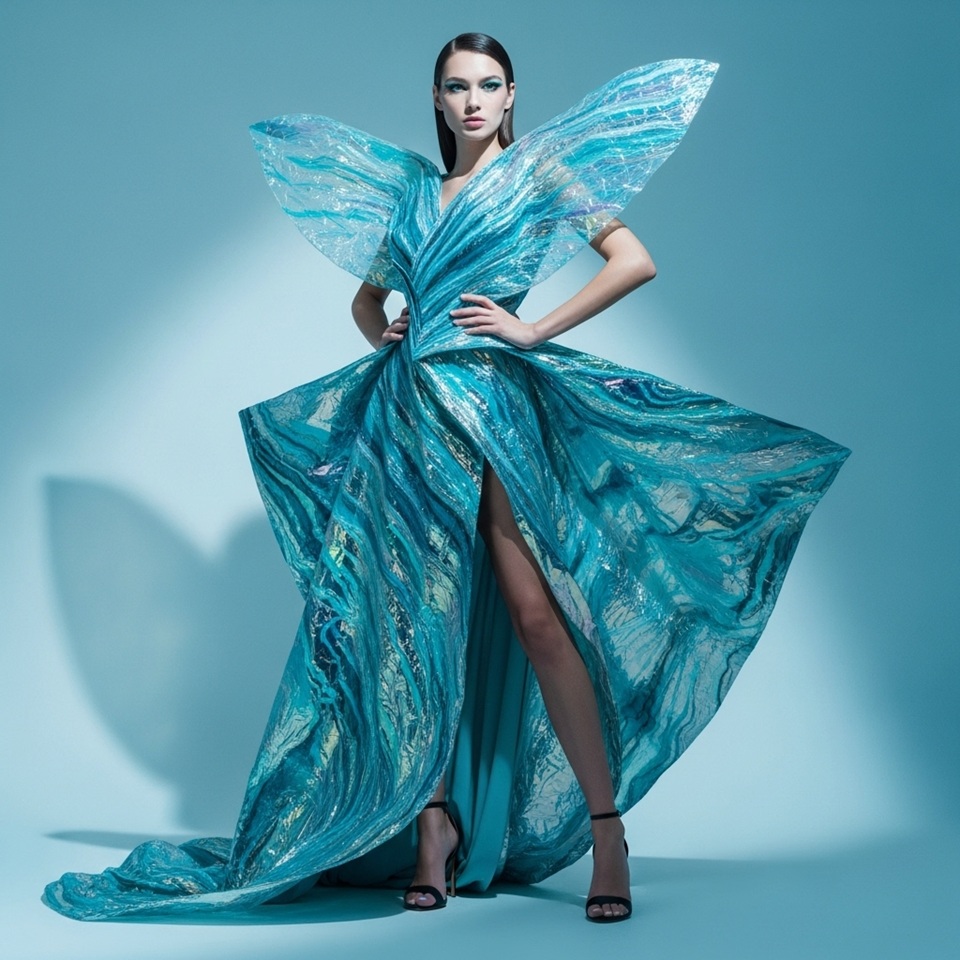
Eco-Friendly Fashion Trends in 2025
Fashion has always been a mirror of culture — a reflection of who we are and what we value. But in 2025, that reflection is shifting toward a deeper awareness of sustainability. “Eco-friendly fashion” is no longer just a buzzword tossed around by brands; it’s a global movement transforming the way clothes are designed, produced, and consumed.
What Does “Eco-Friendly Fashion” Really Mean?
The term eco-friendly fashion refers to clothing and accessories designed, produced, and distributed with minimal harm to the environment. The goal is to reduce waste, use sustainable materials, and ensure fair working conditions throughout the supply chain.
In simpler terms, it’s about making choices that are kind to both people and the planet — from how a fabric is grown or made to what happens when you’re done wearing it.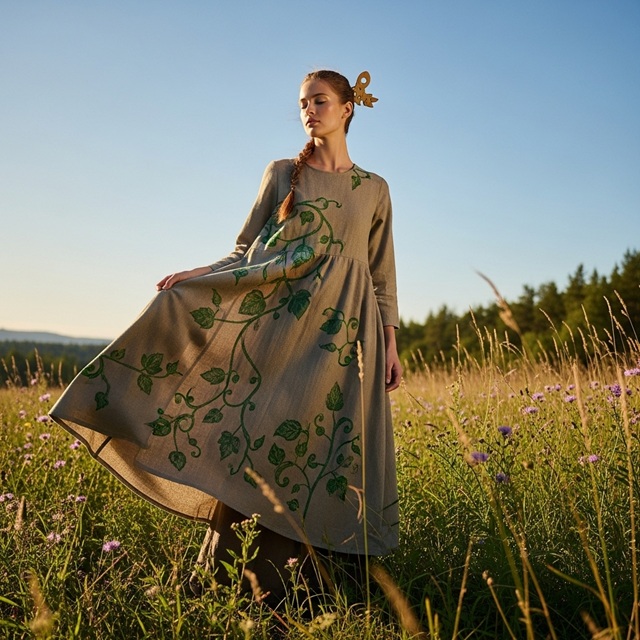
Why It’s Important
Fashion is one of the largest polluting industries on Earth. The rise of fast fashion led to excessive waste, harmful chemical use, and carbon-heavy manufacturing. Eco-friendly fashion addresses these problems by introducing practices like:
-
Using renewable, biodegradable, or recycled materials
-
Limiting water and energy consumption
-
Avoiding toxic dyes and finishes
-
Ensuring ethical labor practices
-
Designing clothes that last longer and decompose naturally
These efforts not only reduce environmental damage but also promote a more thoughtful, balanced relationship between humans and fashion.
Features & Fabric Choices: Which Is Better?
The features that make a garment eco-friendly often depend on the fabric choices behind it. Let’s look at what sets sustainable materials apart and which options are leading the market in 2025.
| Fabric Type | Origin/Source | Eco-Friendly Features | Common Uses |
|---|---|---|---|
| Organic Cotton | Grown without pesticides | Biodegradable, soft, breathable | Everyday wear, T-shirts, denim |
| Hemp | Fast-growing plant | Minimal water use, strong fibers | Bags, outerwear, trousers |
| Bamboo Fabric | Processed from bamboo pulp | Naturally antibacterial, silky texture | Activewear, loungewear |
| Recycled Polyester (rPET) | Made from recycled plastic bottles | Reduces waste and energy use | Jackets, sportswear |
| Tencel (Lyocell) | From eucalyptus trees | Biodegradable, smooth texture | Dresses, shirts, lingerie |
| Piñatex | From pineapple leaf fibers | Vegan leather alternative | Shoes, handbags |
| Cork Fabric | From cork oak bark | Renewable, lightweight | Bags, wallets, accessories |
| Econyl® | Regenerated nylon | Recycled from fishing nets | Swimwear, leggings |
Which Is Better?
There’s no single “best” fabric. Each has its strengths depending on use.
-
For comfort and breathability, organic cotton and bamboo win.
-
For performance, recycled polyester and Econyl® stand out.
-
For vegan leather alternatives, Piñatex and cork are leading choices.
The key is matching materials with the garment’s purpose — and ensuring their production aligns with ethical, sustainable standards.
Definitions and Their Importance in Context
Before we move deeper, let’s clarify some key definitions that shape sustainable fashion in 2025:
| Term | Definition | Importance |
|---|---|---|
| Sustainable Fashion | A holistic approach to designing, producing, and consuming clothing that benefits both people and the planet | Encourages long-term environmental responsibility |
| Circular Fashion | A system where clothes are designed for reuse, recycling, and minimal waste | Reduces landfill waste and promotes product longevity |
| Ethical Fashion | Focuses on fair wages, humane working conditions, and community welfare | Supports social equity in the fashion supply chain |
| Slow Fashion | A movement promoting thoughtful consumption and timeless design | Counters overproduction and short-lived trends |
| Zero-Waste Design | Creating patterns that use every bit of fabric | Minimizes textile waste during production |
Understanding these definitions helps consumers make more informed choices and brands maintain integrity in their sustainability efforts.
Typical Features and Different Types of Materials Used Categorically
Eco-friendly fashion is about more than fabrics — it’s about systems and features that define how a product interacts with nature.
1. Natural Materials
These are sourced directly from plants or animals and are biodegradable.
Examples include:
-
Organic cotton
-
Linen (from flax)
-
Wool
-
Silk
-
Hemp
Features: Breathable, renewable, and comfortable.
2. Recycled or Regenerated Materials
These come from post-consumer or post-industrial waste, reprocessed into usable fibers.
Examples include:
-
Recycled polyester (rPET)
-
Recycled nylon (Econyl®)
Features: Prevent waste, reduce carbon footprint, and conserve energy.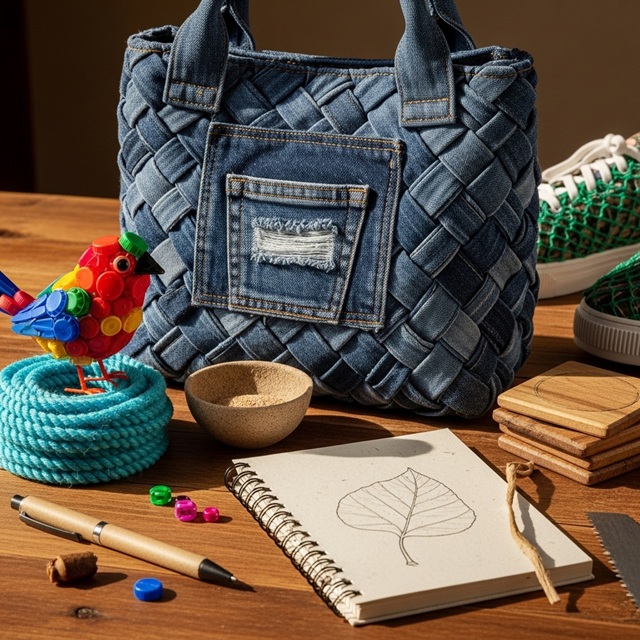
3. Innovative Bio-Fabrics
Technology has introduced new ways to grow or synthesize fabrics.
Examples:
-
Mushroom leather (Mylo™)
-
Algae-based textiles
-
Lab-grown silk
Features: Cruelty-free, biodegradable, futuristic materials that redefine fashion innovation.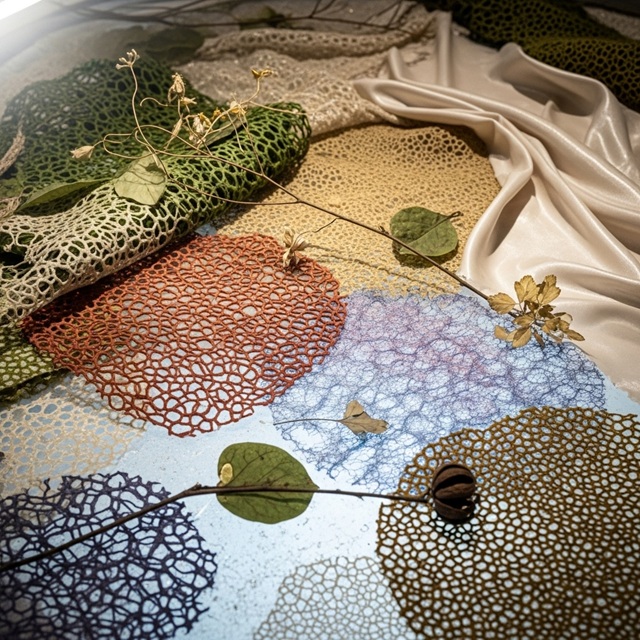
Variations and Fabrics: The Evolving Palette
2025 fashion designers are experimenting with fabric variations that combine texture, sustainability, and technology.
Some emerging variations include:
-
Blended Eco-Fabrics: Combining natural and recycled fibers for durability.
-
Plant-Dyed Textiles: Using pigments from indigo, turmeric, or beetroot instead of chemicals.
-
Smart Eco-Fabrics: Infused with natural antibacterial or moisture-regulating properties.
-
Upcycled Vintage Textiles: Reworking old materials into fresh designs.
Each approach adds a creative layer to sustainable design — proving that eco-fashion can be stylish, not just responsible.
Resolutions: How the Fashion World Is Coping with This New Trend
Fashion brands worldwide are adopting new resolutions to cope with the eco-friendly movement. These commitments are shaping production strategies and corporate ethics in real time.
1. Transparency and Traceability
Brands now share details about where and how their garments are made. Tools like blockchain track materials from farm to wardrobe.
2. Circular Fashion Models
Companies like Patagonia, Levi’s, and Stella McCartney encourage take-back programs, repair services, and resale platforms to keep clothes in use longer.
3. Eco-Certifications and Standards
Labels such as GOTS, Fair Trade, and OEKO-TEX verify sustainability claims, helping customers trust their purchases.
4. Digital Sampling and 3D Design
Virtual prototyping cuts fabric waste by allowing digital trials before production.
5. Localized Production
Reducing global shipping footprints by sourcing and producing closer to target markets.
These resolutions reflect a shared commitment to accountability and innovation — two forces defining the 2025 fashion scene.
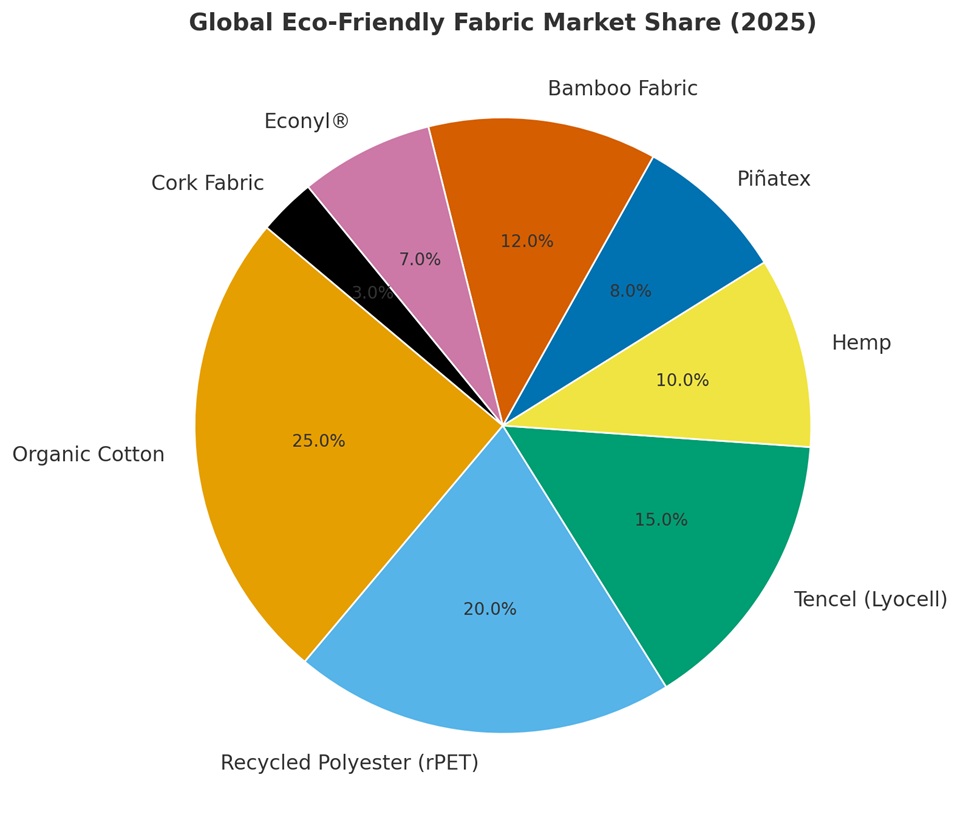
Global Eco-Friendly Fabric Market Share in 2025
Challenges and Embrace
Like any transformation, the shift to eco-friendly fashion comes with obstacles. But the embrace is stronger than the resistance.
Challenges
-
Cost of Sustainable Materials: Eco-friendly fabrics often cost more due to ethical sourcing and smaller production volumes.
-
Consumer Education: Many buyers still prioritize low prices over sustainability.
-
Greenwashing: Some brands use misleading marketing to appear eco-friendly.
-
Supply Chain Complexity: Ensuring every step is ethical and clean remains difficult.
Embrace
Despite these challenges, the movement is gaining powerful support. Consumers, especially Gen Z and Millennials, demand sustainability as a core value. Influencers promote conscious shopping. Governments are introducing eco-regulations. And startups are innovating with biodegradable sneakers, rental fashion, and recyclable packaging.
Fashion houses that once ignored sustainability are now weaving it into their DNA. In 2025, being eco-conscious isn’t an option — it’s a standard.
How Consumers Can Participate
Sustainability starts with awareness. Here’s how you can personally support eco-friendly fashion:
-
Buy Less, Choose Better: Invest in durable, timeless pieces.
-
Check Labels: Look for certified organic or recycled materials.
-
Repair or Upcycle: Extend the life of your clothes creatively.
-
Shop Secondhand: Vintage and thrift stores offer unique, eco-friendly finds.
-
Support Ethical Brands: Choose companies with transparent practices.
Every purchase is a small vote for the kind of fashion world you want.
The Future of Eco-Friendly Fashion
Looking ahead, sustainability will continue to merge with technology. Expect to see:
-
AI-assisted design reduces material waste
-
Carbon-neutral production lines
-
Textile recycling hubs turning waste into new fabric
-
Digital fashion (virtual clothing for social media or gaming) is replacing some physical production
By 2030, eco-friendly fashion might no longer be a “trend” but the industry’s very foundation.
Summary
Eco-Friendly Fashion Trends in 2025 showcase a global shift toward responsibility, creativity, and innovation.
Through features and fabric choices, clear definitions, and advanced resolutions, the industry is learning how to balance beauty with ethics. While challenges remain — from costs to consumer education — the embrace of sustainability is reshaping how fashion works.
The ultimate message is simple: fashion can be stylish and sustainable at the same time — it just takes conscious effort from brands, designers, and consumers alike.
FAQs
1. What makes a fabric eco-friendly?
An eco-friendly fabric uses renewable resources, avoids harmful chemicals, and is biodegradable or recyclable. Examples include organic cotton, hemp, Tencel, and recycled polyester.
2. How can I tell if a brand is genuinely sustainable?
Look for certifications like GOTS, Fair Trade, or OEKO-TEX, and review the brand’s transparency reports or sustainability commitments.
3. Are eco-friendly clothes more expensive?
Usually, yes — but for good reason. Higher costs reflect fair wages, quality materials, and ethical production, meaning clothes last longer and perform better.
4. Can recycled materials really match the quality of new fabrics?
Yes. Innovations like Econyl® and rPET have proven that recycled fabrics can be just as strong, soft, and stylish as their virgin counterparts.
5. What is the biggest challenge in achieving sustainable fashion?
Maintaining full supply chain transparency and balancing affordability with ethical production remain the toughest hurdles.


