


Can a tailor fix waist gap? Yes, a tailor can fix a waist gap. When it comes to clothing, the fit is everything. Whether it’s a pair of pants, a skirt, or a dress, a garment that doesn’t fit properly can be uncomfortable and unflattering. One of the most common fit issues that people face is a waist gap. This occurs when a garment is too loose around the waist, leaving excess fabric that creates a gap between the garment and the body.
This simple alteration can make a world of difference in how a piece of clothing looks and feels. In addition to adjusting the waist, a tailor can also add darts or reshape the waistline to achieve a better fit.
There are several methods that a tailor can use to fix a waist gap, depending on the construction of the garment and the individual’s body shape. Some of these methods include taking in the waist, adding darts, reshaping the waistline, and using other techniques to alter the fit of the garment.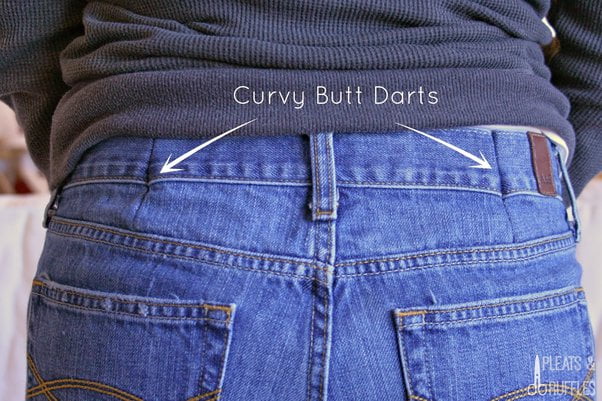
Taking in the waist is the most common method for fixing a waist gap. This involves removing excess fabric from the waist area of the garment to create a more tailored fit. The tailor will carefully measure the individual’s waist and then pin or mark the garment to indicate how much fabric needs to be taken in. Once the fabric has been removed, the garment is sewn back together to create a snugger fit around the waist.
Adding darts is another popular method for fixing a waist gap. Darts are small, triangular-shaped folds of fabric that are sewn into a garment to create shape and improve the fit. In the case of a waist gap, darts can be added to the back or sides of a garment to eliminate excess fabric and create a more defined waistline.
Can a tailor fix waist gap?
Reshaping the waistline is a more involved alteration that may be necessary for garments with more complex construction. This method involves adjusting the shape and curvature of the waistline to better suit the individual’s body shape. This may require cutting and resewing the waistline to achieve the desired fit.
In addition to these methods, a tailor can also use other techniques to alter the fit of a garment and eliminate a waist gap. For example, they may taper the sides of a garment to create a slimmer silhouette or add elastic or adjustable waistbands to accommodate fluctuations in body size.
In some cases, a waist gap may be caused by a combination of fit issues, such as a low-rise waist combined with a wider hip measurement. In these instances, a tailor may need to use a combination of techniques to achieve the best fit. This may require adjusting the waistline, adding darts, and tapering the sides of the garment to create a more flattering fit.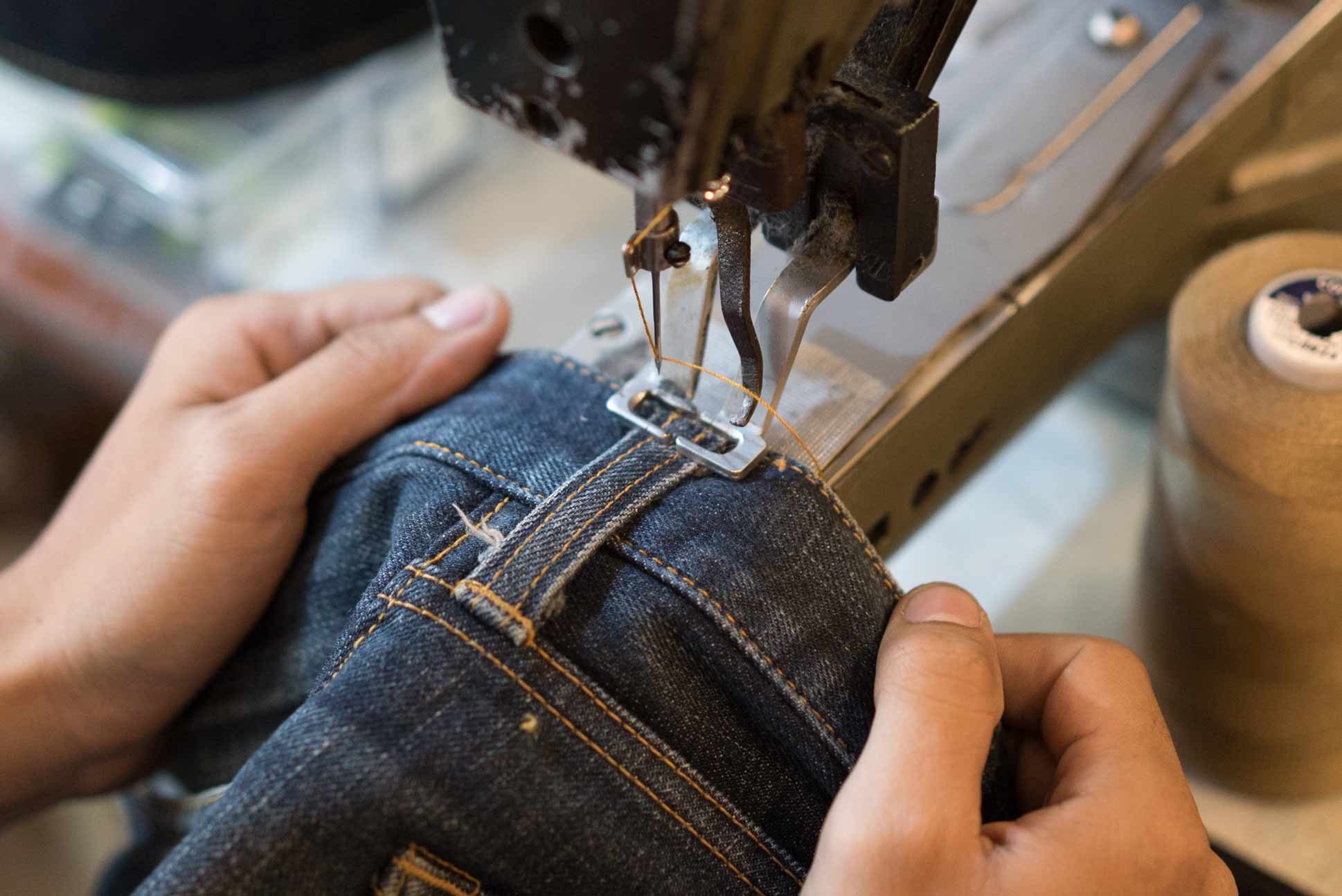
It’s important to note that fixing a waist gap is not a one-size-fits-all solution. The right alteration method will depend on the construction of the garment, the individual’s body shape, and any other fit issues that need to be addressed. Therefore, it’s important to work with a skilled and experienced tailor who can assess the garment and recommend the best course of action for achieving the desired fit.
In addition to fixing a waist gap, a tailor can also provide valuable advice on how to shop for clothing that fits well and flatters the individual’s body shape. They can recommend styles and silhouettes that will best suit the individual and offer tips on how to assess the fit of a garment before making a purchase.
Overall, a skilled tailor can work wonders when it comes to achieving a better fit for clothing. Whether it’s fixing a waist gap, adjusting the length of a garment, or making other alterations, a tailor can ensure that a piece of clothing fits well and flatters the individual’s body shape. By seeking the expertise of a tailor, individuals can enjoy clothing that not only looks great but also feels comfortable and confident.


