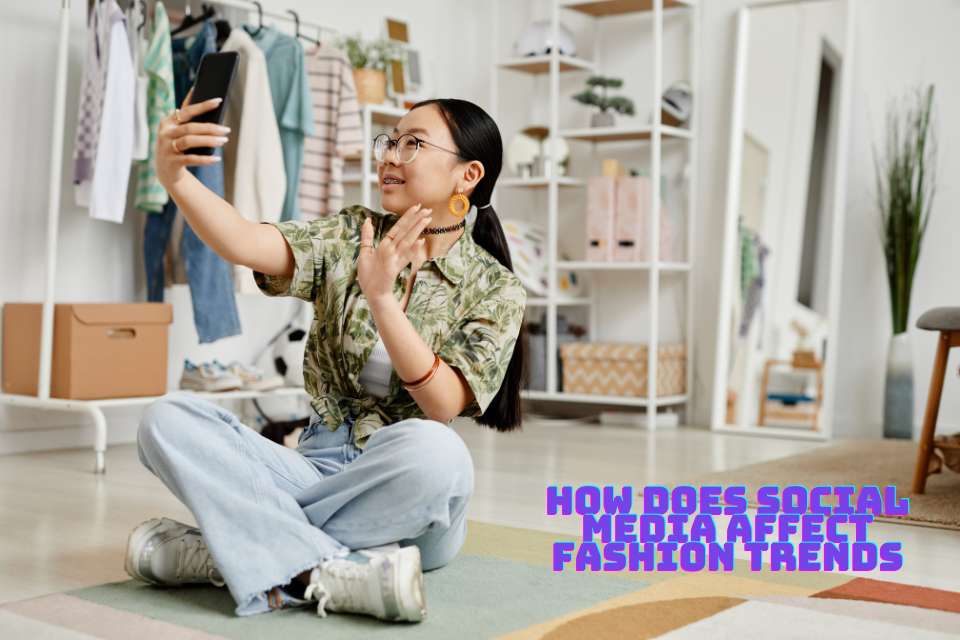
How Does Social Media Affect Fashion Trends?
In recent years, social media has emerged as a game-changer for the fashion industry, transforming the way we consume and interact with fashion trends. The proliferation of social media platforms like Instagram, Facebook, TikTok, and Pinterest has led to a rapid dissemination of fashion trends across the globe. This has resulted in a significant shift in the way the fashion industry functions, from how designers showcase their collections to how consumers shop and engage with brands.
The impact of social media on fashion trends has been enormous. In the past, fashion trends were largely confined to magazines, runways, and other traditional media outlets. However, with the rise of social media, fashion trends can now be quickly and easily replicated and disseminated on a global scale. This has led to a democratization of fashion, with consumers now having a greater say in what is considered fashionable.
Moreover, social media has revolutionized the way designers showcase their collections. With the help of social media, designers can now reach a wider audience and showcase their collections more engagingly and interactively. This has led to a greater level of engagement between designers and consumers, with consumers now able to provide feedback and opinions on collections in real-time.
1. Instant Fashion Inspiration:
Social media has democratized fashion inspiration, enabling anyone with an internet connection to access a vast array of style ideas and trends. Fashion influencers and celebrities regularly share their outfits, creating a constant stream of inspiration for their followers. Platforms like Instagram and Pinterest have become go-to sources for discovering the latest trends, allowing users to curate their own virtual mood boards and style inspiration. As a result, fashion trends spread rapidly and are embraced by a large and diverse audience.
2. Direct Communication with Consumers:
Social media has also enabled fashion brands to communicate directly with their consumers in real-time. Through platforms like Twitter and Instagram, brands can engage with their audience, receive feedback, and gain insights into consumer preferences. This direct interaction has allowed brands to better understand their audience and tailor their products and marketing strategies accordingly. Additionally, it has facilitated a more transparent and authentic form of communication between brands and consumers, which has been pivotal in shaping consumer perceptions and brand loyalty.
3. Influencer Marketing:
The rise of social media has led to the emergence of a new breed of tastemakers – influencers. These individuals have amassed large followings and have become influential figures in shaping fashion trends. By collaborating with fashion brands and showcasing their products to their followers, influencers have the power to drive demand and create viral trends. This has significantly impacted the way fashion brands market their products, with many shifting their attention to influencer marketing as a key strategy for reaching new consumers.
4. Accessible Fashion Shows:
Traditionally, fashion shows were exclusive events reserved for industry insiders and the elite. However, with the advent of social media, fashion shows are now accessible to anyone with an internet connection. Brands livestream their runway shows, allowing a global audience to tune in and experience the latest collections in real-time. This has democratized fashion, making it more inclusive and accessible to a wider audience. As a result, the influence of fashion shows on shaping trends has been amplified, as consumers can directly engage with the latest collections and trends.
5. Viral Fashion Challenges:
Social media has fueled the rise of viral fashion challenges, where users participate in and replicate popular fashion trends. From the #OOTD (Outfit of the Day) challenge to the #TikTokFashion challenge, these trends have quickly gained traction and propelled certain styles into the mainstream. As a result, fashion trends are now created and perpetuated by the online community, rather than just being dictated by designers and fashion publications.
In conclusion, social media has had a profound impact on fashion trends, from how they are disseminated to how consumers engage with them. The democratization of fashion inspiration, direct communication between brands and consumers, the rise of influencer marketing, accessible fashion shows, and viral fashion challenges are just some of how social media has transformed the fashion industry. As the influence of social media continues to grow, it is clear that it will remain a driving force in shaping fashion trends for years to come.
FAQs:
Q: How has social media impacted the fashion industry?
A: Social media has revolutionized the fashion industry by democratizing fashion inspiration, enabling direct communication between brands and consumers, giving rise to influencer marketing, making fashion shows accessible to a global audience, and fueling viral fashion challenges.
Q: What are some examples of viral fashion challenges on social media?
A: Examples of viral fashion challenges include the #OOTD (Outfit of the Day) challenge, the #TikTokFashion challenge, and the #FashionWeekChallenge, where users recreate runway looks using everyday items.
Q: How can fashion brands leverage social media to stay ahead of trends?
A: Fashion brands can leverage social media by collaborating with influencers, engaging with their audience in real-time, live streaming their fashion shows, and participating in viral fashion challenges to stay ahead of trends and connect with their consumers.