


Indonesian Fashion Trends 2025: What’s changing in Indonesia’s fashion scene

Key fashion trends to watch in Indonesia in 2025
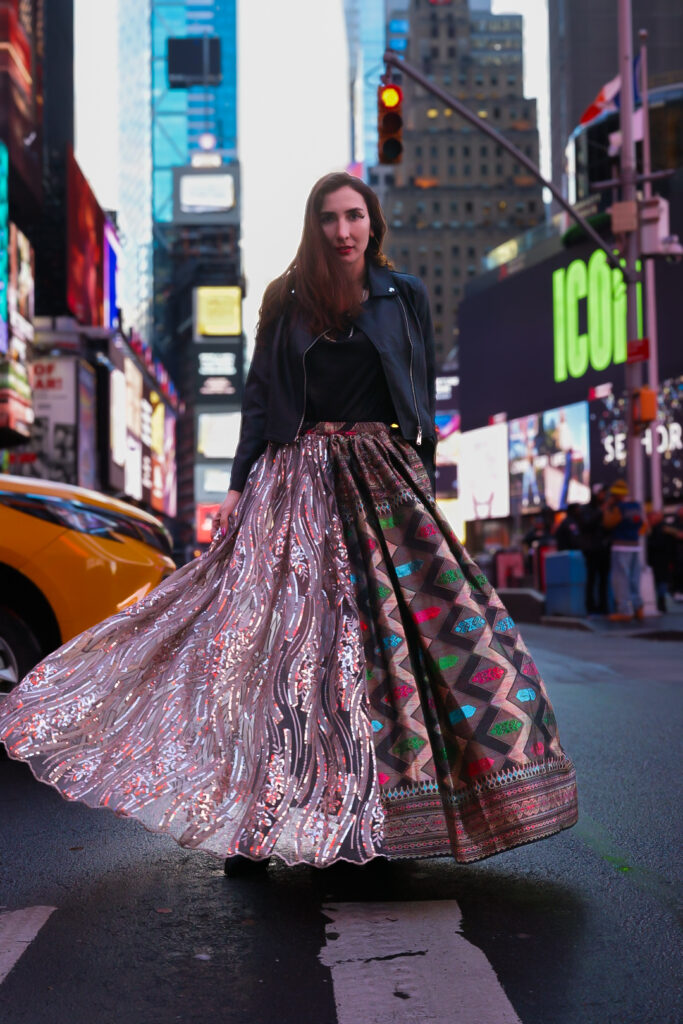
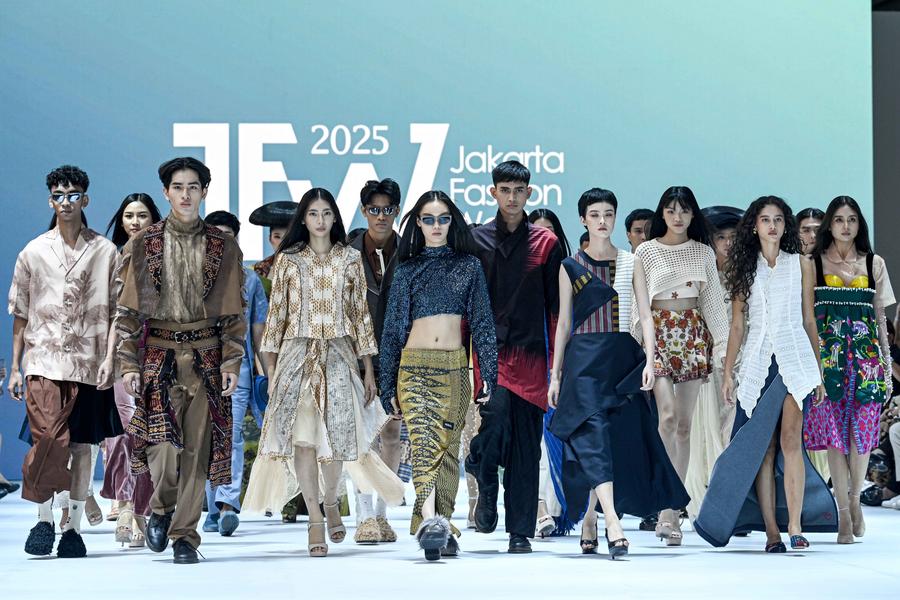
1. Local textiles with modern cuts


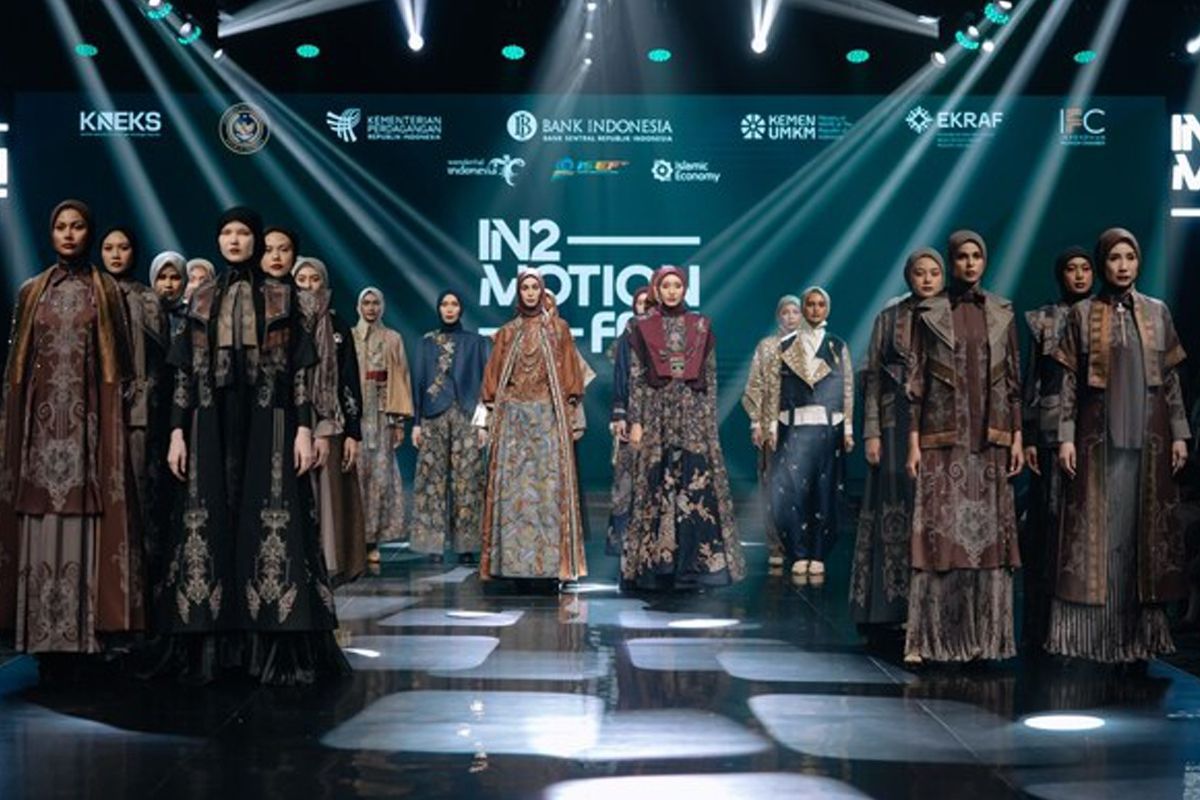
2. Modest fashion going mainstream

3. Earthy tones, muted colours, subtle prints

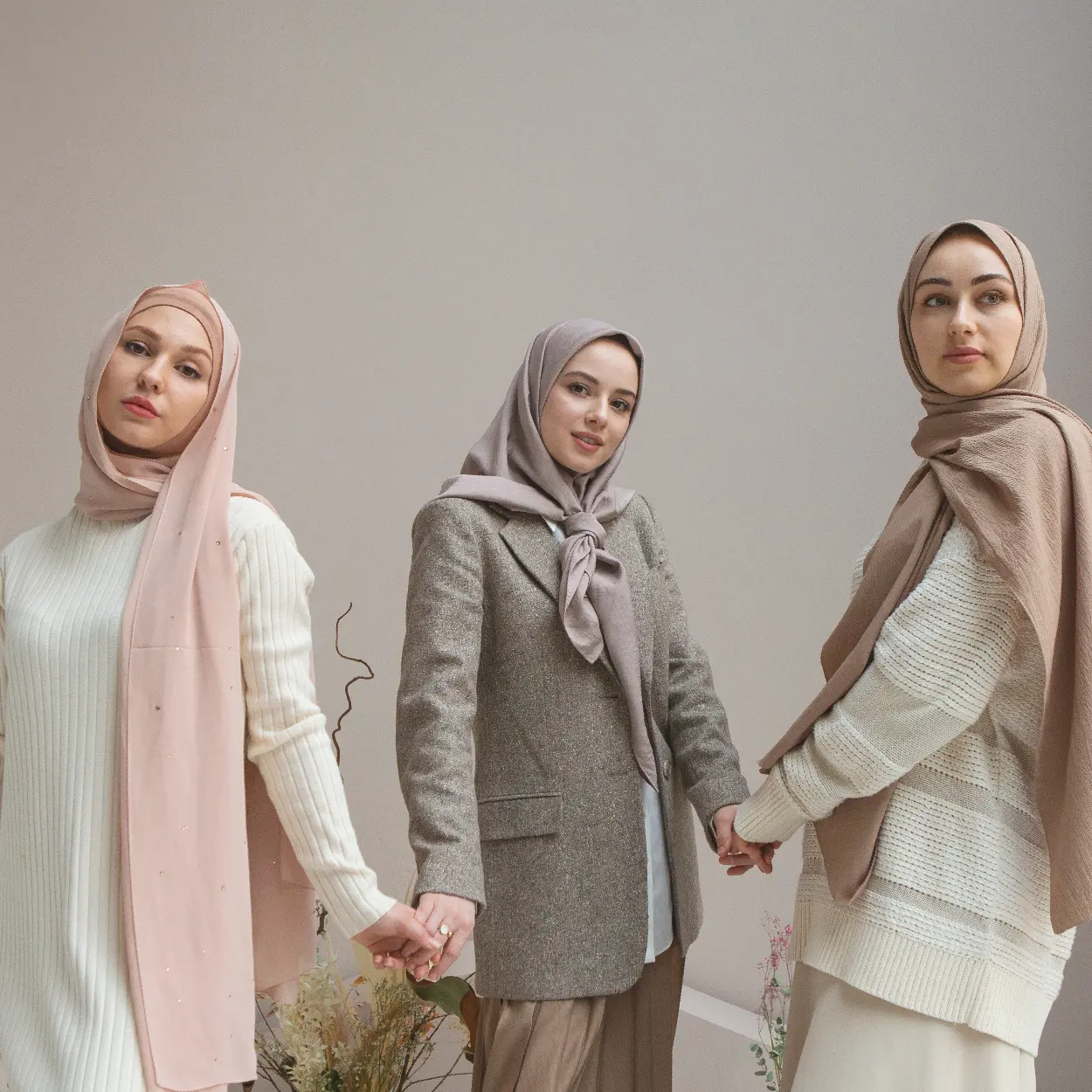
Why this direction? Colours like those feel more natural, more “Indonesian tropical” yet refined. They allow traditional fabric prints and textures to shine without getting overwhelmed.
How to use this: If you pick a printed piece (say batik), let the base colours of your outfit be neutral or earthy so the print stands out. Or go monochrome in clay-brown with one statement piece.
4. Emerging local brands and women designers



What this means for you: More options rooted in local craft, meaning you can find fashion that isn’t just “imported look” but truly Indonesian. Also nicer to support from a sustainability and ethical perspective.
5. Smart layering, mixing formal & casual
A practical trend you’ll see: mixing a tailored blazer or structured jacket over a more relaxed base, combining dressy batik tops with sneakers, or pairing modest dresses with backpack-style bags. Indonesian street style from JFW 2025 showed people blending traditional upper garments with modern footwear and accessories.
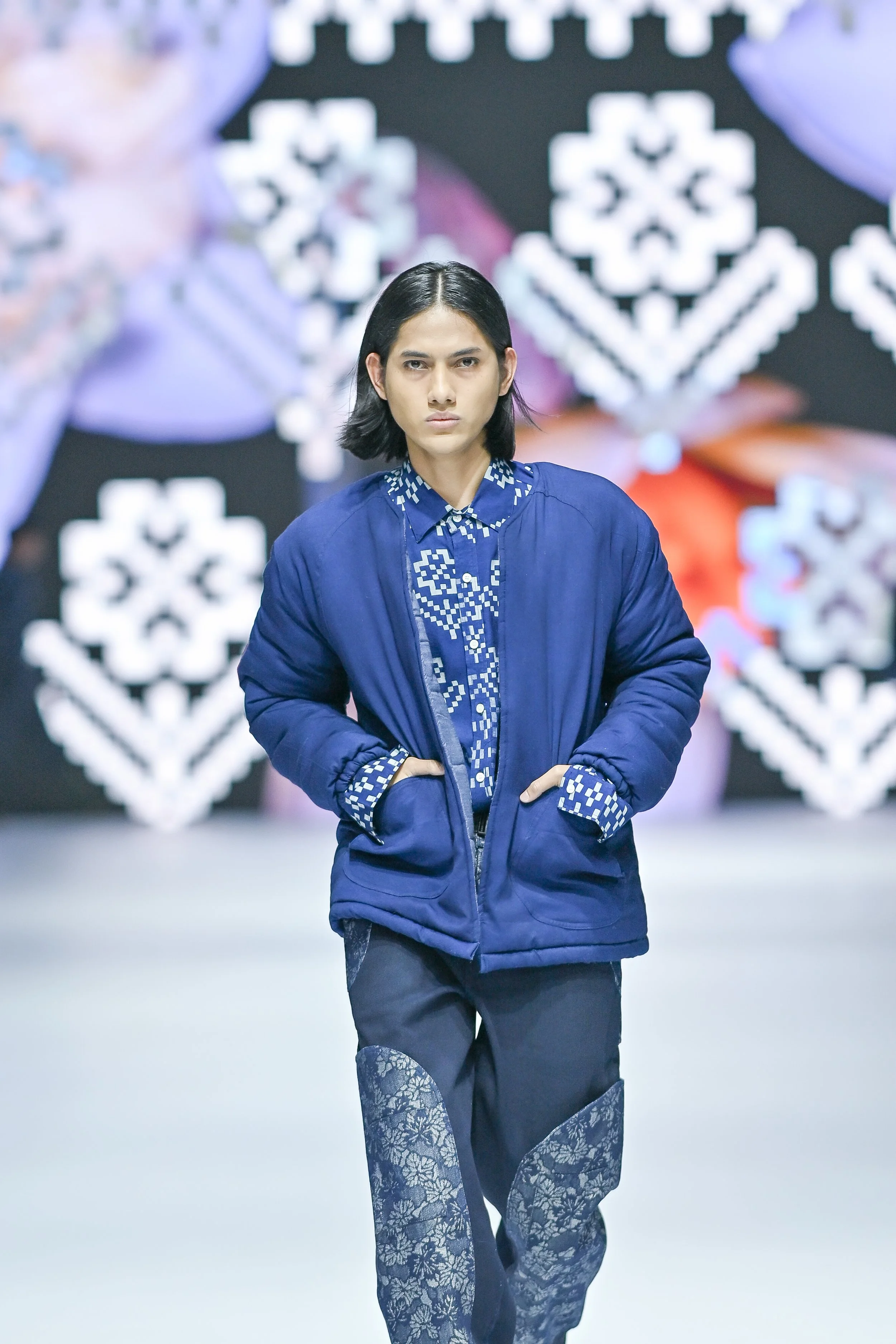
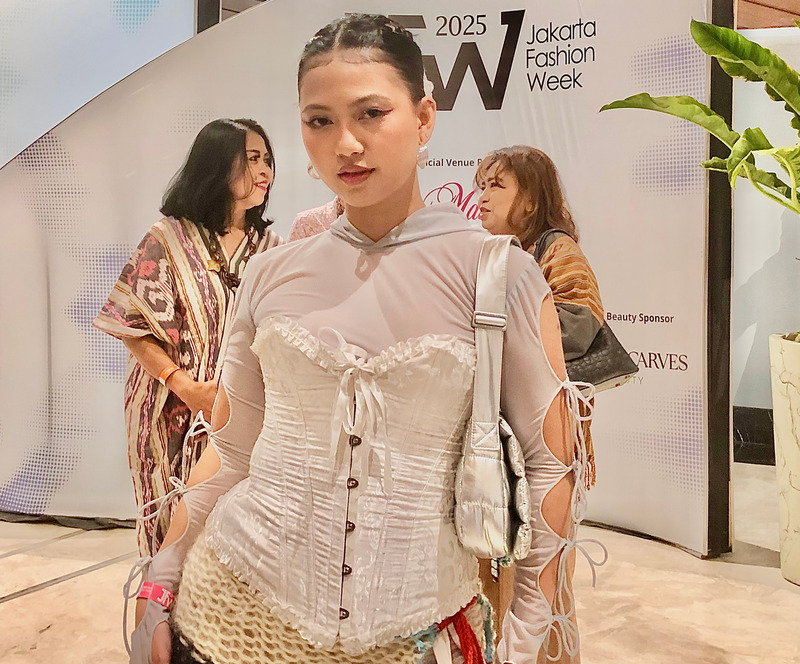
How you adapt it: Take a statement piece (for example, a batik top) and pair it with something unexpected (cargo trousers, sneakers) to keep the look fresh and comfortable.
Why these trends matter
-
The Indonesian climate (humid, tropical) means comfort and breathability matter — hence looser fits and natural fabrics.
-
Cultural pride: there is a desire to showcase Indonesia’s rich textile heritage, but in everyday ways.
-
Global interest: Indonesian fashion is increasingly grabbing attention abroad, which means more design investment, more experimentation.
-
Sustainability: with global conversations around fast fashion, Indonesian designers are leaning into local production, eco-materials, and up-cycling.
-
Practical lifestyle: people want clothes that fit their lifestyle (commute, social meetups, modest dress codes) — so the trends reflect that rather than purely runway fantasy.
How you can apply these trends (even from afar)
-
Start small: If you’re outside Indonesia, look for one piece with an Indonesian textile (print, fabric) and integrate it into your wardrobe.
-
Neutral base, standout accents: Let the textiles or prints shine by limiting competing patterns.
-
Mix tradition with contemporary: You don’t have to wear full traditional attire. Combine a modern blazer with a batik skirt, or a simple dress with a scarf in an Indonesian print.
-
Invest in quality over quantity: Since many designers are pushing sustainable production, a well-made piece lasts longer and aligns with slower fashion values.
-
Make comfort part of your style: Loose fits, breathable fabrics, layering for flexibility — especially helpful in warmer climates.
Summary
Indonesia’s trend for 2025 isn’t just about looking “on-trend”. It’s about blending heritage with modernity; celebrating local materials; adapting modesty, comfort and identity; and doing all of this in a way that fits real lives. You’ll see traditional textiles like batik, ikat and songket in new cuts; modest wear that becomes mainstream; earthy, wearable colours; a wave of local designers stepping up; and outfit combinations that suit everyday Indonesian urban life. The good part: you don’t need to overhaul your wardrobe. Introduce one meaningful piece, layer smart, and your style will reflect the Indonesian spirit of this year.
FAQs
1. What counts as a traditional Indonesian textile in fashion?
Traditional textiles include batik (wax-resist dye patterns), songket (handwoven gold or silver threads), ikat (tie-dye weave), and lurik (striped traditional fabric). Wikipedia+2PR Newswire+2
2. Is modest fashion only for religious wear?
No. While modest fashion has ties to cultural and religious norms, the trend in Indonesia shows people adopting modest styles (longer lengths, looser fits, headscarves) as part of everyday fashion — not just formal or religious events.
3. How do I integrate Indonesian fashion trends if I live elsewhere, say Kenya?
You can: (1) Use one piece with a traditional print or fabric and pair it with familiar wardrobe items. (2) Use the colours (earth tones) and layering ideas (blazer + relaxed base) even if the fabric isn’t Indonesian. (3) Support boutiques or online labels that ship internationally.
4. Are these trends more expensive than regular fast-fashion?
They can be, because many local Indonesian designers emphasise quality, sustainability and craft-based production. But you don’t have to spend a lot: you can look for smaller pieces, accessories (scarves, textile-print bags) to experiment without a big investment.
5. Will these trends be short-lived?
They’re rooted in cultural identity and practical lifestyle needs, which means they are less likely to vanish quickly. Once traditional textiles, modest cuts and sustainable production become part of the everyday scene, they evolve rather than disappear. So you’re investing in pieces that can have longevity.

