


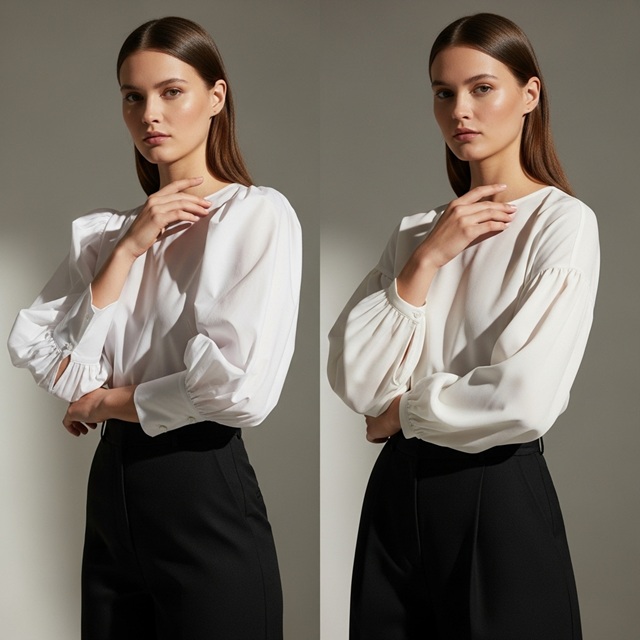
Lantern Sleeve vs Bishop Sleeve: Understanding the Difference
Sleeves do more than cover the arms—they define the entire personality of a garment. Two of the most elegant and timeless sleeve styles often compared are lantern sleeves and bishop sleeves. Both give off a graceful, vintage-inspired vibe, but their design and silhouette differ in subtle yet important ways.
Let’s break them down so you know exactly how to tell them apart, when to wear each style, and how they can enhance your outfit.
What Is a Lantern Sleeve?
A lantern sleeve is a dramatic, structured sleeve that puffs out in the middle and then tapers at the wrist or elbow. Think of it as having a “rounded lantern” shape—hence the name. The fabric is often gathered or pleated at both the shoulder and cuff to create volume in the center portion.
This style first appeared in European fashion during the Renaissance and became popular again in the 1960s and 1970s. Today, it’s a favorite in modern boho blouses, evening dresses, and even corporate-style tops that need a bit of flair.
Lantern sleeves typically use stiffer fabrics like organza, taffeta, or cotton poplin to hold their shape. You’ll often see them in formal wear or statement tops designed to draw attention to the upper body.
What Is a Bishop Sleeve?
A bishop sleeve is softer and more fluid compared to the lantern sleeve. It’s long and full from the shoulder down, gently tapering at the wrist into a fitted cuff. The result is a graceful, flowing silhouette that moves beautifully as you walk or gesture.
This design has roots in 19th-century European fashion and was inspired by the robes worn by clergy (hence “bishop”). Over the years, it has evolved into a staple of elegant dresses, blouses, and gowns.
Bishop sleeves are commonly made from lightweight, flowy fabrics like chiffon, silk, or crepe. They create a romantic and slightly vintage look without feeling overdone.
The Key Differences Between Lantern and Bishop Sleeves
Although both styles add volume to the arms, their structure and movement are what set them apart.
| Feature | Lantern Sleeve | Bishop Sleeve |
|---|---|---|
| Shape | Puffed in the middle, tapering at both ends | Full throughout, tapering only at the wrist |
| Fabric Type | Works best with structured fabrics | Best with soft, flowy fabrics |
| Silhouette | More architectural and bold | More fluid and romantic |
| Cuff Style | Often fitted or elasticated, stopping at the wrist or elbow | Usually long, buttoned, or gathered cuff |
| Occasion | Statement tops, formal dresses | Blouses, evening gowns, flowy dresses |
The lantern sleeve stands out when you want a defined, eye-catching shape, while the bishop sleeve gives a softer, more ethereal appearance.
Which Sleeve Suits You Best?
Your choice depends on the look you’re going for and the occasion.
Choose Lantern Sleeves if:
-
You want to make a bold fashion statement.
-
You’re dressing for a party, photoshoot, or fashion-forward event.
-
You prefer structure and volume around the upper arm.
-
You’re wearing tailored pieces that need a little drama.
Lantern sleeves pair beautifully with pencil skirts, fitted pants, or high-waist jeans since they balance the volume of the upper body.
Choose Bishop Sleeves if:
-
You prefer a more feminine, flowy, and romantic vibe.
-
You’re attending a wedding, dinner, or semi-formal occasion.
-
You want a timeless look that flatters without overpowering your frame.
-
You like blouses that transition easily from day to night.
Bishop sleeves go perfectly with skirts, wide-leg trousers, and maxi dresses for an effortlessly chic look.
Styling Tips for Each Sleeve Type
How to Style Lantern Sleeves
-
Keep the rest of your outfit simple: Since lantern sleeves are dramatic, go for clean silhouettes below.
-
Choose minimalist jewelry: Statement sleeves don’t need much competition.
-
Opt for sleek hairstyles: A bun or ponytail complements the structure of the sleeve.
-
Play with color: Bold hues highlight the sleeve’s unique shape.
How to Style Bishop Sleeves
-
Tuck into high-waisted bottoms: It helps define your waist and keeps the look balanced.
-
Layer with vests or corsets: Adds contrast without hiding the sleeves.
-
Use soft fabrics: Flowy materials enhance the romantic charm.
-
Try lace or embroidery: These details often look best on bishop sleeves.
Modern Fashion Designers and Brands Using These Sleeves
Lantern and bishop sleeves have become staples in modern collections from designers such as Zimmermann, Self-Portrait, Ulla Johnson, and Reformation.
You’ll also find affordable variations in fast-fashion brands like Zara, H&M, and ASOS.
For those interested in the latest sleeve trends, you can check out related articles on TrendingFashionNews.com, such as:
Fabric Choices That Work Best
When choosing between lantern and bishop sleeves, fabric plays a huge role in how the sleeve looks and behaves.
-
Lantern Sleeves: Best with fabrics that hold shape like satin, organza, or structured cotton.
-
Bishop Sleeves: Look best in drapey materials like chiffon, silk, georgette, or lightweight crepe.
If you try sewing your own garment, remember that the fabric’s stiffness or softness directly affects how much puff or flow you’ll get.
When Are These Sleeves Most Appropriate?
Both sleeve types can fit into many settings, depending on how they’re styled.
-
Casual Wear: Bishop sleeves in light cotton or linen look relaxed and stylish.
-
Office Wear: Subtle lantern sleeves on a blouse can add a hint of fashion-forward structure.
-
Evening Wear: Both styles work beautifully in satin or silk for elegant gowns or cocktail dresses.
-
Cultural and Traditional Fashion: In African, Asian, and European designs, both sleeves are often incorporated into ceremonial and festive outfits.
How They Reflect Personality and Style
Fashion often expresses personality, and sleeves are no exception.
-
Lantern sleeves are for those who enjoy being bold, expressive, and confident in their style. They communicate strength and creativity.
-
Bishop sleeves represent grace, calmness, and elegance. They’re ideal for those who prefer subtle beauty and timeless charm.
Your choice of sleeve can reveal as much about your personality as your choice of color or fabric.
Sustainability in Sleeve Design
Interestingly, sleeve design also affects fabric consumption. Lantern sleeves require more structured fabric, which can mean higher waste if not cut efficiently. Bishop sleeves, using softer materials, tend to allow more flexible cutting and reuse.
Some sustainable fashion designers are now reworking both sleeve styles using recycled or organic fabrics to reduce environmental impact without losing aesthetic appeal.
Final Thoughts
Both lantern sleeves and bishop sleeves bring elegance and drama to an outfit, just in different ways. The lantern sleeve stands out with its structured volume, perfect for fashion statements. The bishop sleeve flows gracefully, perfect for soft, romantic looks.
The right choice depends on your personality, fabric preference, and the statement you want to make. Whether you choose bold or gentle, both sleeve types remain timeless additions to modern wardrobes.
For more sleeve trends, visit TrendingFashionNews.com and discover what’s new in women’s fashion this season.
FAQs About Lantern and Bishop Sleeves
1. Can I wear lantern sleeves for casual occasions?
Yes, you can. Choose softer fabrics like cotton or linen and pair them with jeans or skirts to tone down the formal look.
2. Are bishop sleeves suitable for short people?
Absolutely. Opt for slightly shorter bishop sleeves or styles with fitted cuffs to elongate your silhouette.
3. What’s the best hairstyle for lantern or bishop sleeves?
For lantern sleeves, sleek hairstyles like buns or ponytails balance the volume. For bishop sleeves, loose curls or waves complement the flowy look.
4. Do lantern sleeves look good on all body types?
Yes, but they’re best balanced with fitted bottoms to avoid overwhelming the frame, especially for petite body types.
5. Which sleeve type is trending in 2025?
Bishop sleeves continue to trend due to their versatility, while lantern sleeves remain popular in statement evening wear and editorial looks.
Related Reading:
External Source:


