Latest Fashion Trends in USA 2025: Love, Transformation, Fashion
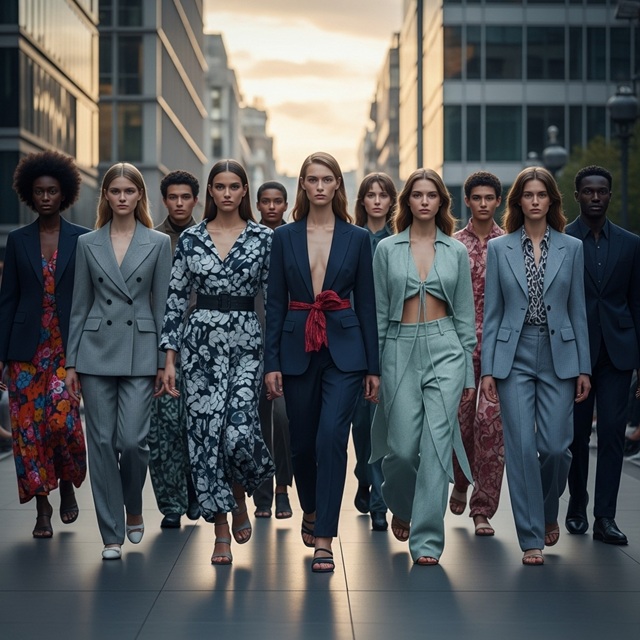
The fashion scene in the U.S. in 2025 is doing more than swapping silhouettes or colors. There’s a thread running through many trends now: transformation, identity, community. Part of that comes from how designers, creators, and audiences are wrestling with histories of exclusion and pushing toward togetherness. In other words, fashion isn’t just surface — it’s being used to heal, to express, to bring people closer. Below, I walk you through key trends in the U.S. right now and how they reflect a deeper shift from division toward connection.
Shaping Identity Through Tailoring and Heritage
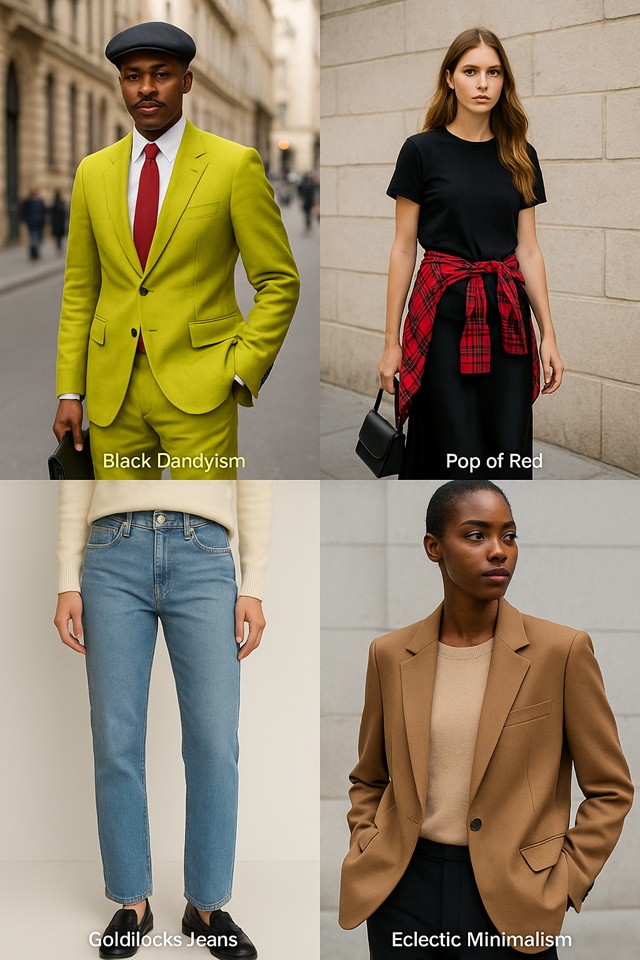
One of the most talked-about themes in 2025 fashion is Black dandyism — the style that reclaims traditional elegance (think sharp suits, crisp shirts, precise tailoring) and reinterprets it through Black identity. The Met Gala’s 2025 theme was “Superfine: Tailoring Black Style,” and it turned heads not just for glamour but for meaning. CBS News+2Wikipedia+2
Black dandyism isn’t a throwback. It’s a conversation: about history, about how people dress under scrutiny, about transforming old narratives. Vogue+2Wikipedia+2
In U.S. urban centers and fashion hubs, designers are leaning into suits with unexpected cuts, layering, and touches of cultural symbolism (patterns, fabrics, colors tied to heritage). This is fashion holding space for identity and transformation.
Color Moves That Signal Change
Color trends are speaking loud this year. A few standouts:
-
Chartreuse (a bold yellow-green) has become a favorite for fall 2025, replacing butter yellow in many designer lines. Byrdie
-
Pop of Red is back. Designers are using red not only for drama but as a visual exclamation point in otherwise neutral outfits. Vogue
-
Zebra prints are rising, taking over from leopard prints. The contrast of black and white in zebra patterns gives a graphic, inclusive feel (less exoticism, more bold statement). Glamour
Color is doing more than decorating — it’s becoming part of the identity language in outfits.
Comfort, Balance, and “Just-Right” Shapes
After years of extremes — ultra-skinny jeans or oversized “everything” — people are trending toward moderation in 2025.
-
Goldilocks jeans (neither too tight nor too loose) are making a comeback. Many fashion watchers see this as a symptom of trend fatigue — people want clothes they can wear without thinking too much. The Guardian
-
Eclectic minimalism is rising — clean lines, fewer “extras,” but with personality through texture, small accents, or heritage elements. Glamour
-
Boho influences in suede are predicted to play into spring/summer 2025. Matching sets in moderate shapes are gaining ground. Heuritech
So while bold statements are still present, there’s a counterbalance in grounded practicality.
Styling Hacks You’ll See Everywhere
Here are a few styling moves that have crossed from runways to streetwear in the U.S.:
-
Tying a plaid shirt around the waist has become a fall 2025 essential — a nod to casual layering, texture play, and revival of ’90s influence. Who What Wear
-
Satin daytime dressing is replacing the old rule that satin must stay in eveningwear. Designers like Dior, Chloé, and others are showing satin trousers, skirts, and jackets for day use. Harper’s BAZAAR
-
Plaid, faux fur outerwear, funnel-neck jackets — these are among the “It-girl” picks for fall 2025. Who What Wear
These styling choices feel familiar yet fresh — easy to pull into existing wardrobes.
Retail, Tech, and Cultural Forces That Shape What You Can Buy
Trends don’t just arise in studios and runways. They’re shaped by how people shop and how brands behave.
-
AI-powered personalization is a big driver. Brands in the U.S. are using AI to curate what you see, suggesting items that match your style and history. SCAYLE
-
Social commerce (buying directly through social media) is growing. That means trend cycles can accelerate: what’s shown by influencers today might be in small-batch drops by tomorrow. SCAYLE
-
Gen Z’s values are critical. They expect authenticity, representation, transparency. They’ll support brands that confront social issues (including race) meaningfully. Analyzify
-
Fashion is being used as a vehicle of healing. Some designers are consciously referencing histories of exclusion and transforming them into shared identity stories.
Because retail and culture intersect, fashion in 2025 is more “on the ground” meaningful than ever.
How Racism, Love, and Togetherness Are Woven into 2025 Style
You asked about the theme of love and transformation from the world of racism into togetherness. In the U.S. fashion world, that thread is visible. Here’s how I see it:
-
By centering Black style (Black dandyism) in major fashion institutions (Met Gala, museum exhibitions), designers are turning a space historically dominated by exclusion into one of visibility and respect. Advisor+3Wikipedia+3Vogue+3
-
Fashion as resistance: dressing “fine” in a world that often denied dignity is an act of reclaiming self-worth. Black dandyism is partly built on that idea. Vogue+1
-
Inclusion in design, representation, storytelling — more designers are collaborating across backgrounds, bringing cultural elements that unite rather than divide.
-
Trends like color, print, and tailoring are becoming shared visual vocabularies rather than narrow signals. You see a chartreuse jacket or zebra print across street style, high fashion, and mass brands — and that helps blur lines between “us” vs. “them.”
-
Many Gen Z shoppers expect brands to show accountability: not just diversifying by marketing, but in leadership, manufacturing, and outreach. Fashion becomes a tool to practice togetherness, not just an accessory.
The idea isn’t that fashion solves racism — but that fashion is being used more often as a bridge: between culture and commerce, story and garment, identity and expression.
What to Try If You Want to Ride These Trends
If you want to experiment or introduce these trends to your wardrobe, here are doable starting points:
-
Start with one tailored piece — a blazer, a smart vest, or even a sharply cut shirt — and style it your way.
-
Use color accents (chartreuse, red) in accessories first, then gradually in clothing.
-
Try a “Goldilocks” jean or pant — something between skinny and wide — for comfort + style.
-
Use a styling trick like tying a plaid shirt or layering satin to test the trend without overcommitting.
-
Buy from brands that speak honestly about inclusion, representation, and labor practices.
Summary
In the U.S. in 2025, fashion is doing more than following cycles — it’s threading narratives of identity, healing, and unity through garments. Whether through Black dandyism, bold colors, balanced silhouettes, or retail tech, style is reflecting a deeper shift toward togetherness and transformation. For anyone interested in fashion that matters, this moment feels full of possibility: you can wear your identity, push boundaries, and still stay grounded.
FAQs
What exactly is “Black dandyism”?
It’s a tradition of style where Black people adopt and reinvent classic European elegance (suits, refined tailoring) as a form of self-affirmation. It’s expressive, resistant, symbolic. Vogue+1
Why is the U.S. fashion scene emphasizing heritage and identity now?
There’s increased awareness that fashion has excluded many voices historically. Designers and institutions are trying to shift toward more equitable narratives and visibility. Also, consumers (especially younger ones) are demanding more authenticity.
Is chartreuse really wearable?
Yes — but you don’t have to go full head-to-toe. Use it in a jacket, bag, or accent piece paired with neutrals. Many stylists say that’s the easiest entry point for bold color trends.
Are the shape trends (Goldilocks jeans, eclectic minimalism) here to stay?
They’re not permanent, but I expect them to last longer than flash trends. They offer longevity, comfort, and ease of integration into different wardrobes.
How do I support the transformation in fashion (toward inclusion) as a buyer?
Look into the brand’s leadership, sourcing practices, and representation. Choose brands that don’t treat diversity as a marketing gimmick but embed it in design, production, and storytelling.