The World Fashion Business News: The Changing Face of the Globe
The fashion business has become one of the most dynamic industries in the world, merging creativity with commerce, technology, and sustainability. What was once limited to the runways of Paris and Milan now thrives on social media platforms, influencer marketing, and digital fashion shows. Let’s explore what’s shaping the world of fashion business today and how brands are adjusting to the fast-changing consumer mindset.
The Global Scale of Fashion
Fashion is no longer confined by geography. Brands that once focused on local markets now sell to audiences across continents. With e-commerce platforms like Farfetch, Zalando, and ASOS, designers in Africa or Asia can reach buyers in the U.S. or Europe instantly.
This globalization has opened opportunities for emerging designers, but it has also intensified competition. Large fashion groups such as LVMH, Kering, and Inditex dominate the luxury and fast-fashion sectors, setting trends and influencing consumer spending worldwide.
For an in-depth look at Africa’s growing fashion influence, you can read our feature on Ladies Trending Fashion in Uganda.
Digital Transformation of Fashion Retail
The digital shift has completely changed how fashion brands operate. Online retail is no longer an option—it’s a necessity. From small boutiques to established houses, everyone is embracing online storefronts, digital showrooms, and virtual try-ons.
Social media platforms such as Instagram, TikTok, and Pinterest now serve as marketing tools, virtual runways, and e-commerce channels. Influencers play a massive role in product discovery, with micro and nano influencers often delivering higher engagement than celebrity endorsements.
A notable development is AI-driven personalization. Fashion retailers now use artificial intelligence to analyze customer data, recommend outfits, and predict buying behavior. This technology-driven approach helps brands create better shopping experiences while reducing waste and overproduction.
Fast Fashion vs. Sustainable Fashion
The global fashion business is divided between two opposing forces—fast fashion and sustainable fashion.
Fast fashion brands like Shein, Zara, and H&M continue to grow rapidly by producing cheap, trendy clothing in massive volumes. Their ability to move from design to store in just a few weeks keeps customers constantly engaged but raises serious environmental concerns.
On the other hand, sustainable fashion is gaining traction. Consumers are more conscious about what they buy and where it comes from. Brands such as Stella McCartney, Patagonia, and Reformation are championing eco-friendly materials, fair labor practices, and ethical sourcing.
In Africa and Asia, a new wave of designers is also promoting upcycled and handcrafted fashion, proving that sustainability can coexist with creativity. To see how this trend plays out locally, check out Cheap Kitenge Fabric in Kampala.
The Rise of Fashion Technology
Technology is now at the heart of fashion business strategy. Here are some of the most influential tech trends shaping the industry:
1. Virtual Fashion Shows
COVID-19 accelerated the rise of digital fashion weeks. Today, major brands like Gucci and Balenciaga host hybrid shows that mix physical and virtual experiences. This shift not only saves costs but also allows global audiences to attend virtually.
2. Digital Clothing and NFTs
The rise of digital clothing and NFT fashion has created a new segment in the market. Digital wearables allow users to “wear” fashion in the metaverse, gaming environments, or social media. This innovation has blurred the line between fashion and tech, opening new opportunities for designers and investors.
3. AI-Powered Design
Some brands now use AI to create clothing designs based on data trends and consumer feedback. For instance, AI tools can suggest fabric types, predict colors that will trend next season, and even generate prototype visuals in seconds.
4. Smart Fabrics
Smart textiles embedded with sensors can monitor body temperature, fitness levels, or UV exposure. This is especially popular in activewear brands that target athletes and health-conscious consumers.
Shifting Consumer Preferences
Modern consumers are more informed and demanding than ever. They expect transparency, quality, and social responsibility. Here’s what’s changing:
-
Value over volume: People are buying fewer but better-quality pieces.
-
Ethical production: Consumers care about how and where clothes are made.
-
Gender neutrality: Fashion is moving toward inclusivity, with genderless designs gaining popularity.
-
Customization: Personalization has become a luxury in itself. From monogrammed bags to made-to-measure suits, brands are offering tailored experiences.
Even traditional fashion powerhouses are evolving. For example, Gucci now promotes gender-fluid collections, and Nike uses recycled materials for its sustainable product lines.
The Business Side of Fashion
Behind the glamour lies a complex business structure involving manufacturing, logistics, marketing, and retail management. Fashion companies must balance creative expression with financial performance.
Key Financial Drivers:
-
Brand Licensing: Luxury brands often license their names for fragrances, eyewear, and accessories, generating consistent revenue.
-
Franchising and Partnerships: Many international brands expand into emerging markets through partnerships with local investors.
-
E-commerce Growth: Digital stores reduce overhead costs and expand customer reach.
-
Resale Market: The secondhand fashion market, driven by platforms like The RealReal and Depop, is booming among Gen Z shoppers.
Emerging Markets:
Countries in Africa, Latin America, and Southeast Asia are now major players. Uganda, Nigeria, and Kenya, for example, have growing textile industries and rising middle-class consumers who value both local and international brands.
Fashion Media and Trends Reporting
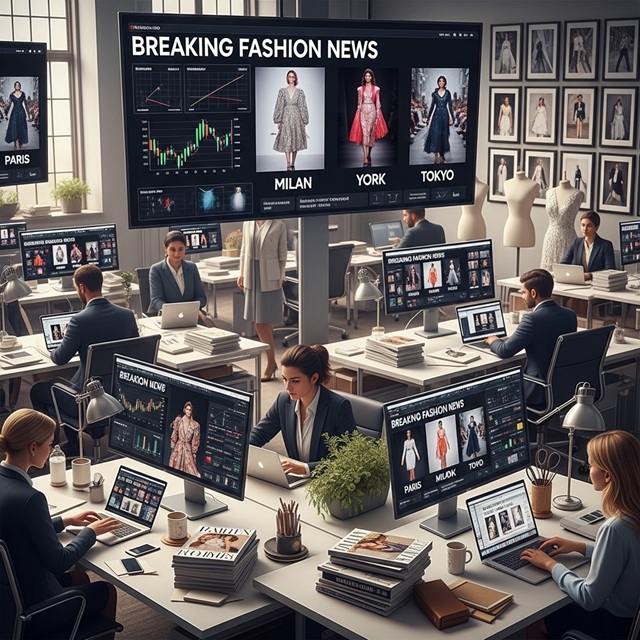
Fashion journalism plays an essential role in shaping industry narratives. Websites like Vogue Business, Business of Fashion, and TrendingFashionNews.com provide insights into new collections, brand strategies, and emerging designers.
At TrendingFashionNews.com, readers get updates on street style, runway highlights, fashion education, and global trends. Our platform also connects designers with business insights, helping them make better decisions in a competitive space.
Challenges Facing the Fashion Industry
The global fashion business isn’t without problems. Here are some of the biggest challenges brands face:
-
Overproduction: Millions of unsold clothes end up in landfills.
-
Supply Chain Transparency: Tracking every stage of production is still difficult for many companies.
-
Counterfeiting: Fake designer goods cost the industry billions yearly.
-
Economic Uncertainty: Inflation and political instability affect consumer spending.
-
Digital Competition: Small brands struggle to keep up with the massive advertising budgets of big players.
These challenges require innovation, collaboration, and ethical leadership to ensure long-term growth.
What Lies Ahead for the Global Fashion Business
The future of fashion will be sustainable, inclusive, and tech-driven. Brands that adapt early will thrive. We can expect more digital fashion experiences, virtual fitting rooms, and blockchain-based transparency systems.
Consumers will continue to push for authenticity and purpose-driven brands. Fashion education is also evolving, preparing the next generation of designers to think like entrepreneurs and environmentalists.
If you’re considering a career in fashion, you might enjoy our article on Best Fashion Schools in Los Angeles, which explores where top talent is being trained.
Summary
The global fashion business is in constant motion—shaped by technology, social awareness, and consumer behavior. Success now depends on a brand’s ability to combine creativity with sustainability and digital innovation. Whether it’s luxury couture in Paris or streetwear from Kampala, the future belongs to those who understand that fashion is both art and business.
FAQs
1. What is the global fashion business worth?
The global fashion industry is valued at over $1.7 trillion, covering luxury, fast fashion, and apparel manufacturing. The market continues to grow thanks to e-commerce and emerging markets.
2. How is technology changing fashion retail?
Technology enables virtual shopping, AI-based personalization, and smart manufacturing. Brands use data analytics and AI to predict trends and manage supply chains more efficiently.
3. Which countries lead the fashion market?
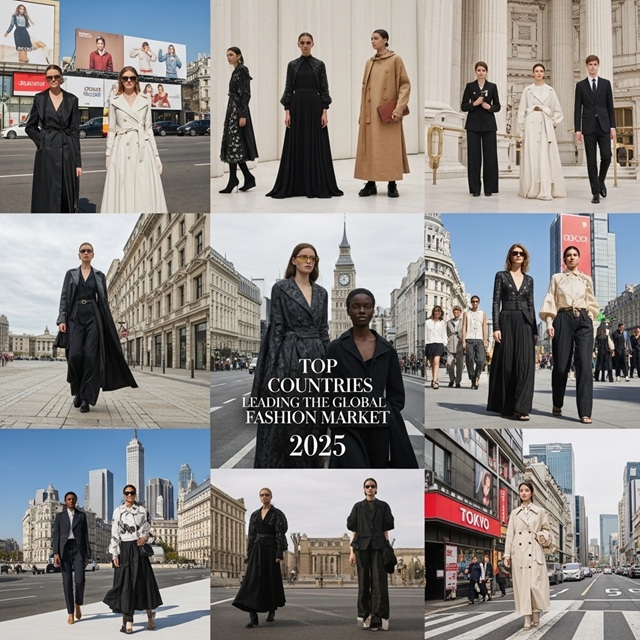
The top players are France, Italy, the United States, and China, but regions like Africa and Southeast Asia are quickly rising as strong competitors.
4. Is sustainable fashion profitable?
Yes. While it often costs more initially, sustainable fashion builds brand loyalty and long-term trust, which increases profitability over time.
5. What are the biggest future trends in fashion?
Expect growth in digital clothing, eco-friendly fabrics, gender-neutral designs, and resale platforms. Consumers are also pushing for transparency and ethical sourcing.