


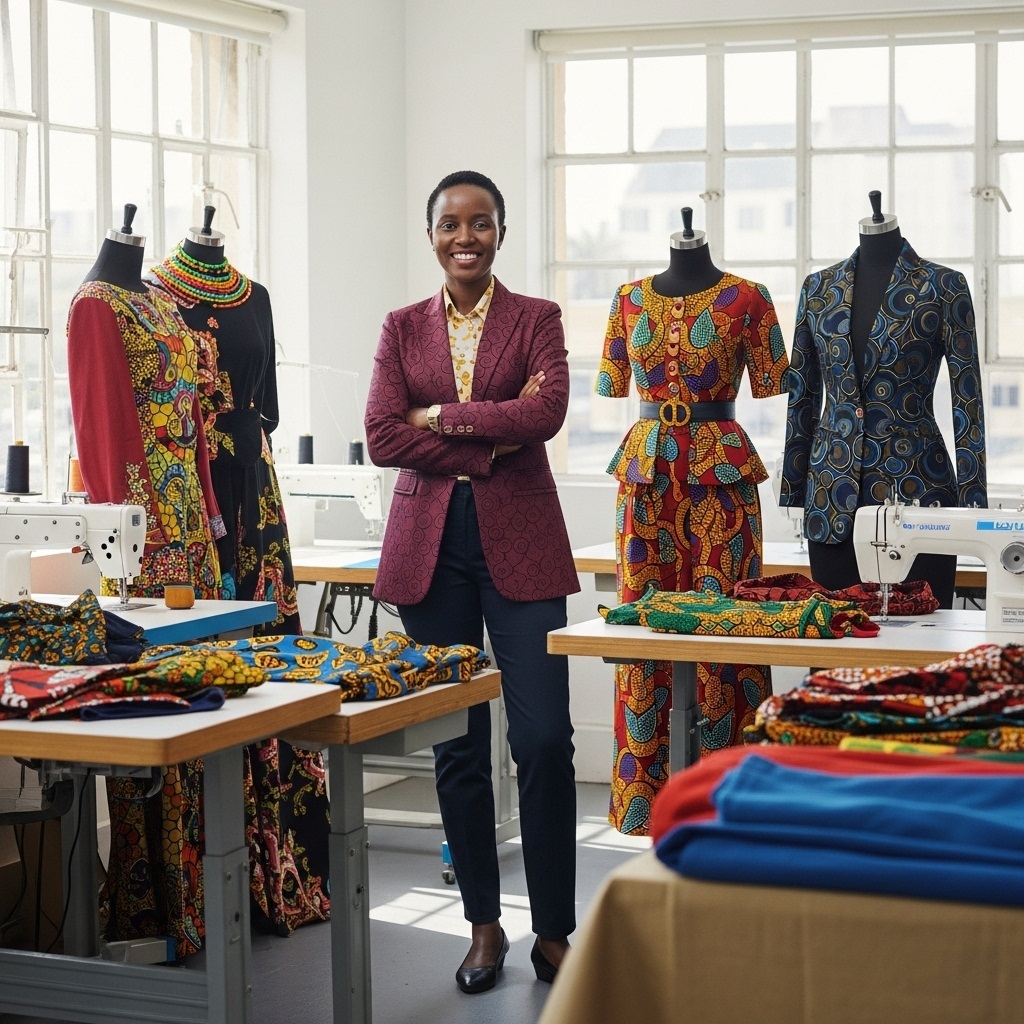
Africa Fashion Week London 2025: Top 7 Kenyan Fashion Designers to Watch
Africa Fashion Week London 2025 is shaping up to be more than just a showcase of clothing—it’s a stage where culture, heritage, and innovation blend under the bright lights of global fashion. Kenyan designers have steadily carved a place in the international scene, bringing with them textiles steeped in heritage and modern silhouettes that speak to contemporary tastes. This year, seven Kenyan designers are set to command attention with collections that reflect not only artistry but also the story of a country where fashion is both a craft and a cultural statement.
The Rise of Kenyan Designers on the Global Stage
Kenya’s fashion industry has undergone tremendous growth, moving from a local market driven by custom tailoring to an international stage where designers compete with the best. The shift has been fueled by creativity, resourcefulness, and a strong link to cultural roots. Much like a painter layering brushstrokes, Kenyan designers weave tradition into every garment, creating ensembles that are both modern and authentic.
At Africa Fashion Week London 2025, the spotlight will shine brightly on seven designers who embody this balance. Their collections reflect sustainability, heritage preservation, and forward-thinking design—all while maintaining Kenya’s unique stylistic voice.
Top 7 Kenyan Fashion Designers to Watch at Africa Fashion Week London 2025
1. Ajuma Nasenyana – Ajuma Limited
Ajuma Nasenyana, a former international supermodel, has transitioned into designing under her label, Ajuma Limited. Known for bold prints and redefined Afro-futuristic tailoring, Ajuma brings a strong identity to her work. Her London showcase is expected to blend high-fashion runway appeal with African textiles sourced from local artisans.
2. KikoRomeo by Ann McCreath
One of the longest-standing names in Kenyan fashion, Ann McCreath’s KikoRomeo has been instrumental in promoting ethical production. Her collections often highlight hand-dyed fabrics, Maasai beadwork, and recycled materials. For 2025, expect wearable art that bridges modern tailoring with heritage aesthetics.
3. David Avido – Avido Wear
David Avido is known not only for his designs but also for his strong presence in Nairobi’s creative hub. Avido Wear combines bright patchwork, contemporary cuts, and storytelling through fabric. His pieces are often described as canvases that reflect everyday life in Kenya’s urban spaces.
4. Wanja by Wanja Ngugi
Wanja Ngugi’s designs pay homage to femininity and cultural pride. She incorporates kikoy, kitenge, and shuka textiles into modern silhouettes that cater to both local and global audiences. At London, her runway is expected to be a vibrant fusion of tradition and sophistication.
5. Denri by Dennis Njoroge
Denri has gained popularity as a youthful, streetwear-inspired brand. Known for bold logos, Kenyan flag motifs, and urban aesthetics, Denri appeals to a younger demographic. This year’s showcase is rumored to highlight a collection bridging street culture with luxury wear.
6. Katungulu Mwendwa
Katungulu Mwendwa specializes in minimalistic yet heritage-driven fashion. Her use of neutral palettes, clean cuts, and subtle cultural references creates clothing that is both timeless and modern. Her London collection is expected to draw attention for its sophisticated simplicity.
7. Suave Kenya – Sammy Mungai
Suave Kenya by Sammy Mungai is known for transforming second-hand fabrics into stylish bags and accessories. His label reflects sustainability while maintaining high-end appeal. This year, Suave Kenya is likely to present pieces that redefine what sustainable luxury means in an African context.
Why Kenyan Designers Are Capturing Global Attention
Kenyan fashion thrives because it balances storytelling with style. Every stitch, print, and silhouette tells a story—whether it’s about heritage, sustainability, or individuality. In an industry often criticized for waste and mass production, Kenyan designers are offering fresh perspectives rooted in community and creativity.
Their collections at Africa Fashion Week London 2025 will be more than clothing—they will be visual narratives showcasing a country’s evolving style identity.
The Broader Significance of Africa Fashion Week London 2025
Africa Fashion Week London has become a vital platform for African creatives to present their artistry to an international audience. Beyond the runways, it fosters cross-cultural exchange, promotes sustainable practices, and provides opportunities for designers to connect with buyers and industry leaders.
Kenyan designers entering this space are not only representing themselves but also carrying the weight of a nation’s culture and future aspirations in fashion. Their participation cements Kenya’s position as a hub for talent and innovation within the African continent.
FAQs
1. What makes Kenyan fashion unique at Africa Fashion Week London 2025?
Kenyan designers blend cultural heritage with modern design, creating pieces that balance tradition with global appeal.
2. Who is Ajuma Nasenyana, and why is she featured?
Ajuma is a former model turned designer whose brand focuses on Afro-futuristic tailoring and authentic African textiles.
3. Why is KikoRomeo significant in Kenyan fashion?
KikoRomeo has been at the forefront of ethical production and cultural preservation for over two decades.
4. What role does sustainability play in Kenyan fashion?
Sustainability is central, with designers like Suave Kenya reworking second-hand fabrics into luxury items.
5. Is Africa Fashion Week London only about clothing?
No, it also includes networking events, exhibitions, and opportunities for cross-cultural collaborations.
6. How does David Avido’s work reflect Nairobi’s culture?
His patchwork designs often echo urban life in Nairobi, reflecting community stories and city vibrancy.
7. Which Kenyan brand appeals most to younger audiences?
Denri is popular among youth due to its streetwear style and bold use of Kenyan symbols.
8. Are traditional textiles still relevant in Kenyan high fashion?
Yes, textiles like kikoy, shuka, and kitenge remain central, often reimagined for contemporary styles.
9. What opportunities do Kenyan designers gain from showcasing in London?
Exposure to international buyers, media coverage, and entry into global retail markets.
10. How does Africa Fashion Week London impact African fashion globally?
It amplifies African voices in global fashion conversations, strengthening the continent’s creative economy.


