


Uganda Fashion Directory: Mapping the Style Industry
The Uganda Fashion Directory has emerged as a critical reference point for designers, models, stylists, fashion schools, boutiques, and textile artisans. It reflects the pulse of a vibrant industry that blends tradition with modern creativity, bringing visibility to both established fashion houses and emerging talent. Just as a library organizes knowledge into shelves, a directory organizes fashion into categories that make it easier for stakeholders to connect, collaborate, and thrive.
In Uganda, the fashion industry is more than clothing—it is culture stitched into fabric, history woven into design, and innovation threaded into everyday style. A directory dedicated to this sector becomes not just a list of names, but a reflection of national identity and economic potential.
Why Uganda Needs a Fashion Directory
Every thriving fashion economy relies on accessible structures that link creators with clients. For Uganda, a directory offers:
-
Visibility for designers: From Kampala-based haute couture brands to rural textile makers, all gain recognition.
-
Networking opportunities: Stylists, photographers, models, and event organizers find one another through organized listings.
-
Global exposure: International buyers searching for “Uganda Fashion Directory” online can easily discover local talent.
-
Industry growth: Documentation and accessibility encourage new players to join and strengthen the sector.
Like a runway show where each model presents a different designer’s work, the directory provides a stage where every contributor gets their moment under the spotlight.
Breaking Down the Uganda Fashion Directory
The Uganda Fashion Directory doesn’t just list businesses; it organizes them in categories that reflect the structure of the industry.
1. Designers
From avant-garde creators to everyday wear specialists, Ugandan designers are the foundation of the industry. They reinterpret local culture, fabrics, and colors into clothing that resonates both locally and internationally.
2. Boutiques and Fashion Stores
Retail spaces across Kampala, Entebbe, and regional towns stock designs that reflect both local heritage and international trends. These boutiques often double as cultural spaces where clients not only shop but also engage with the stories behind the garments.
3. Textile Producers
Uganda’s cotton industry feeds into fashion by supplying high-quality raw materials. Traditional fabrics like bark cloth sit alongside modern textiles, showing the blend of past and present in the country’s material culture.
4. Fashion Schools
Institutions like Makerere University’s Margaret Trowell School of Industrial and Fine Arts (external link example) and private academies contribute to training the next generation of designers and stylists. They serve as incubators for creativity, ensuring continuity in the sector.
5. Models and Agencies
Modeling agencies form a bridge between designers and the public, giving faces and personalities to the clothing. They also connect Uganda to international fashion weeks and campaigns.
6. Fashion Events and Media
Platforms like the Uganda International Fashion Week highlight design excellence while media outlets capture and distribute the stories that shape perception.
The Role of Technology in the Uganda Fashion Directory
The growth of digital platforms means the directory is no longer confined to print or local distribution. Online platforms make it easier for a designer in Gulu to connect with a buyer in London. Social media integration adds another layer of accessibility, transforming the directory into both a catalogue and a networking hub.
An online directory works like a map with moving markers—each click opens new doors, new partnerships, and new opportunities.
How the Uganda Fashion Directory Benefits Stakeholders
Designers
Gain recognition, secure clients, and expand their networks.
Consumers
Access authentic Ugandan designs and fashion services with ease.
Investors
Discover opportunities in textile production, retail, and event sponsorship.
Government and Institutions
Use the directory to track industry growth and integrate fashion into broader cultural and economic policies.
Uganda Fashion Directory and Cultural Identity
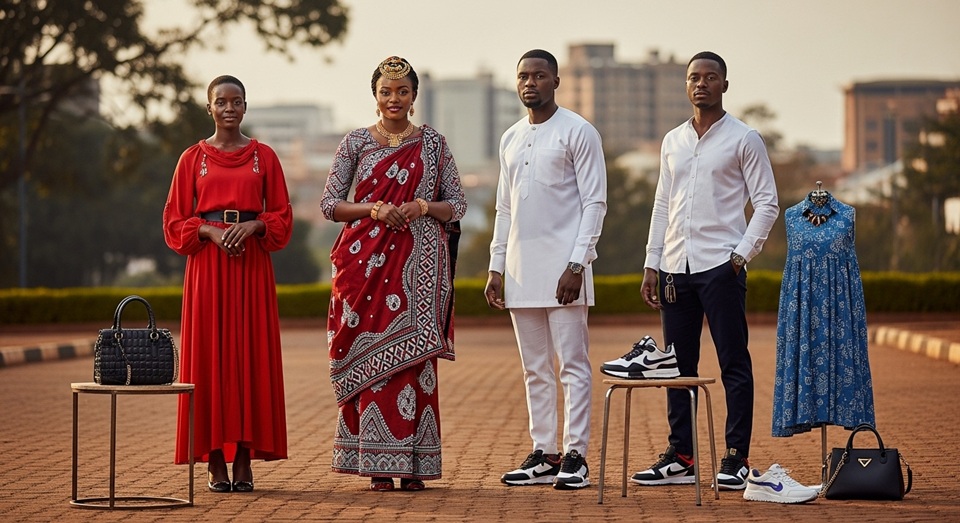
Ugandan fashion is inseparable from its cultural roots. From the gomesi to the kanzu, traditional garments hold meaning beyond aesthetics. The directory documents these traditions while also acknowledging the contemporary shifts shaping urban style. It creates a bridge between heritage and innovation, ensuring that cultural pride remains woven into the nation’s fashion future.
Challenges Facing the Uganda Fashion Directory
While the directory offers visibility, it also highlights challenges:
-
Standardization: With many informal players, ensuring quality and consistency is a hurdle.
-
Accessibility: Not all designers have equal access to digital platforms or listing opportunities.
-
Global Competition: Ugandan talent competes with established global fashion economies.
Like a fabric with both strong and weak threads, the industry’s durability depends on addressing these gaps while celebrating its strengths.
Future of the Uganda Fashion Directory
The future promises expansion, integration of e-commerce, and stronger international collaborations. With rising interest in African fashion worldwide, the Uganda Fashion Directory could become a digital passport for the country’s style industry.
Just as stitches hold together different parts of a garment, the directory will continue to hold together the various players in Uganda’s fashion ecosystem.
FAQs About Uganda Fashion Directory
1. What is the Uganda Fashion Directory?
It is a structured platform that lists designers, boutiques, textile producers, schools, models, and fashion events across Uganda.
2. Who can be listed in the Uganda Fashion Directory?
Designers, stylists, models, agencies, retailers, textile manufacturers, and institutions offering fashion training.
3. How does the Uganda Fashion Directory support emerging designers?
By giving them visibility alongside established names, helping them connect with clients, investors, and collaborators.
4. Can international buyers use the Uganda Fashion Directory?
Yes, it serves as a resource for global clients seeking authentic Ugandan designs and partnerships.
5. How can consumers benefit from the directory?
Consumers find authentic fashion outlets, discover new designers, and access services like styling and tailoring.
6. Does the directory include traditional fashion?
Yes, it documents both cultural garments such as gomesi and kanzu, and modern urban styles.
7. Is the Uganda Fashion Directory available online?
Yes, digital platforms provide listings and updates accessible from anywhere in the world.
8. What role does the directory play in fashion events?
It connects event organizers with designers, models, and sponsors, ensuring successful showcases.
9. Can fashion schools benefit from the Uganda Fashion Directory?
Yes, schools can use it to highlight programs, attract students, and connect graduates with opportunities.
10. Where can I find more information about Ugandan businesses?


