What Is The Traditional Dress For A Wedding?
The traditional dress for a wedding varies widely depending on the culture and location. Some examples of traditional wedding attire include the white gown for the bride and a suit or tuxedo for the groom in Western cultures, the red or gold lehenga for the bride and sherwani for the groom in Indian weddings, hanbok for both the bride and groom in Korean weddings and so on. It is important to consider the specific cultural and religious traditions when determining the traditional dress for a wedding.
Weddings are a special occasion where two people come together to celebrate their love and commitment to each other. It is a time for families and friends to come together to support the couple as they embark on this new journey together. One of the most important aspects of a wedding is the attire worn by the bride and groom. Traditional wedding attire varies widely depending on the culture and location, and it is important to consider the specific cultural and religious traditions when selecting the appropriate attire.
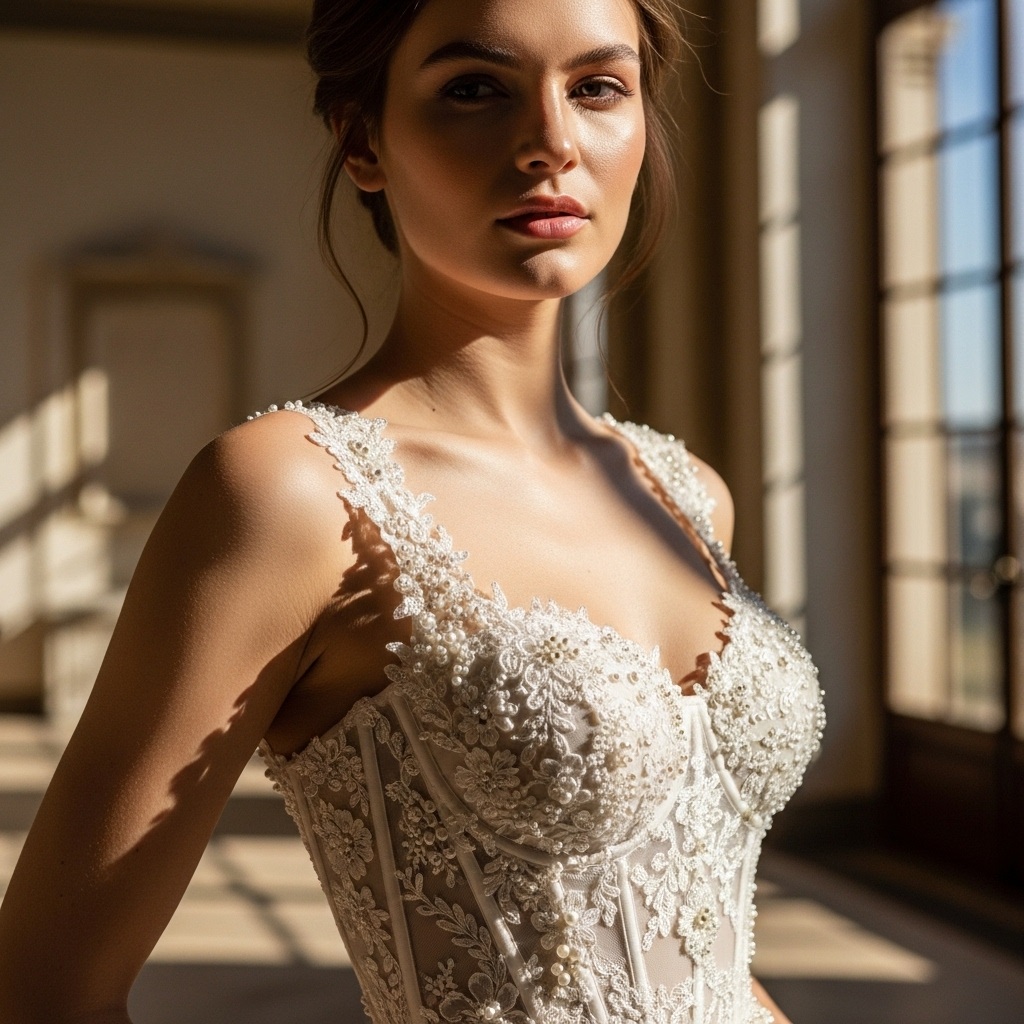
In Western cultures, the traditional wedding attire for the bride is a white gown, often accompanied by a veil and a bouquet. The groom typically wears a suit or tuxedo, and a boutonniere. This tradition dates back to the 19th century when Queen Victoria wore a white gown for her wedding to Prince Albert. Since then, the white wedding gown has become a symbol of purity and innocence in Western cultures.
In Indian weddings, the traditional attire for the bride is a red or gold lehenga, which is a long, embellished skirt paired with a matching blouse and a dupatta (a long scarf). The groom usually wears a sherwani, which is a long, embroidered coat, paired with a dhoti or a churidar – a type of traditional trousers. Indian weddings are known for their colorful and elaborate attire, which reflects the rich cultural heritage of the country.
In Korean weddings, the traditional attire for both the bride and groom is a hanbok, a type of traditional Korean clothing. The hanbok for the bride is typically a vibrant and colorful dress called a jeogori, paired with a full, wrap-around skirt called a chima, while the groom wears a more subdued and simplistic version of the hanbok. The hanbok is an elegant and timeless attire that reflects the beauty and grace of Korean culture.
In addition to these examples, there are countless other traditional wedding attire from different cultures around the world. Whether it is a Japanese kimono, a Nigerian agbada, or a Scottish kilt, every culture has its own unique and beautiful wedding attire that reflects its traditions and values. It is important to respect and honor these traditions when choosing attire for a wedding.
When selecting traditional wedding attire, it is important to consider not only the cultural significance but also the religious customs and beliefs. For example, in some cultures, it is customary for the bride to wear a veil to symbolize modesty and purity. In other cultures, the use of specific colors or fabrics may hold important religious symbolism. It is crucial to research and understand the specific customs and traditions of the culture to ensure that the wedding attire is respectful and appropriate.
In addition to cultural and religious considerations, practicality and comfort should also be taken into account when selecting traditional wedding attire. For example, if the wedding is taking place in a hot and humid climate, it may be important to choose attire that is lightweight and breathable. Similarly, if the wedding is taking place in a colder climate, it may be necessary to select attire that is warm and cozy.
Ultimately, the most important thing to consider when selecting traditional wedding attire is the couple’s preferences and tastes. While it is important to respect and honor the traditions and customs of a particular culture, it is also important for the couple to feel comfortable and happy with their choice of attire. The wedding day is a celebration of love and unity, and the attire should reflect the personality and style of the couple.
FAQs
Q: Can I wear traditional wedding attire from a culture that is not my own?
A: It is important to be respectful and mindful when wearing traditional wedding attire from a culture that is not your own. It is crucial to research and understand the significance of the attire and to ensure that it is worn in a culturally appropriate manner.
Q: How can I incorporate traditional wedding attire into a modern wedding?
A: Traditional wedding attire can be incorporated into a modern wedding in a variety of ways. For example, the bride could wear a traditional gown for the ceremony and then change into a modern dress for the reception. Alternatively, the couple could incorporate elements of traditional attire into their overall wedding theme and decor.
Q: Is it appropriate to wear traditional wedding attire for a destination wedding?
A: It can be appropriate to wear traditional wedding attire for a destination wedding, especially if it is being held in a location that has cultural significance to the couple. However, it is important to be mindful of the customs and traditions of the destination and to ensure that the attire is respectful and appropriate.
Q: How can I find traditional wedding attire for my culture?
A: There are many ways to find traditional wedding attire for your culture. You can visit specialty boutiques and shops that cater to specific cultural attire, or you can work with a designer to create a custom piece that reflects your cultural traditions. Additionally, some many online resources and communities can provide guidance and inspiration for traditional wedding attire.