What Makes A Gown Expensive: Inside the Glamour and the Price Tag
When we gaze upon a dazzling gown on a runway, red carpet, or high-end boutique, the first emotion is often awe—followed closely by disbelief at the price tag. Some gowns cost more than a car, others more than a home. But what makes a gown expensive? Is it just branding, or is there more beneath the sequins and silk?
In this in-depth feature, we lift the veil on what makes a gown expensive, exploring the craftsmanship, design philosophy, materials, and exclusivity that contribute to its luxurious price.
The Anatomy of an Expensive Gown
Luxury gowns are not merely clothing—they’re wearable art. Behind every expensive gown is a blend of heritage, artistry, and exclusivity that transforms it from a dress into a status symbol.
1. Haute Couture vs. Ready-to-Wear: A Tale of Two Worlds
To understand the difference in gown pricing, we must first distinguish between Haute Couture and Ready-to-Wear (RTW).
-
Haute Couture, a French term meaning “high sewing,” refers to one-of-a-kind pieces, often handcrafted with exquisite detail. These gowns can take hundreds to thousands of hours to make and are custom-fitted to the client’s body.
-
Ready-to-Wear, though also luxurious, is produced in limited runs and is typically machine-sewn, with fewer embellishments.
The difference is like comparing a hand-painted oil portrait to a high-quality art print—both are beautiful, but one is utterly unique.
2. Fabric That Tells a Story
Expensive gowns start with luxury fabrics—silks, satins, organza, tulle, velvet, and lace sourced from renowned mills in France, Italy, and Japan.
A gown made from Chantilly lace or Italian silk taffeta not only feels superior on the skin but also moves with a fluid grace that cheaper materials can’t replicate. These fabrics are often ethically sourced, dyed by hand, and even embedded with real gold or silver threads.
3. Embellishments: The Icing on the Cake
A gown’s sparkle is often the product of hand-sewn crystals, sequins, pearls, and beadwork, sometimes using Swarovski or even precious stones.
Designers may use feathers, hand embroidery, or laser-cut details—elements that require master artisans and dozens of hours to apply. In some cases, a gown might involve collaborations with jewelry houses to incorporate diamonds or semi-precious stones directly into the design.
The Human Touch: Labor and Artistry
4. Time Is Money—Literally
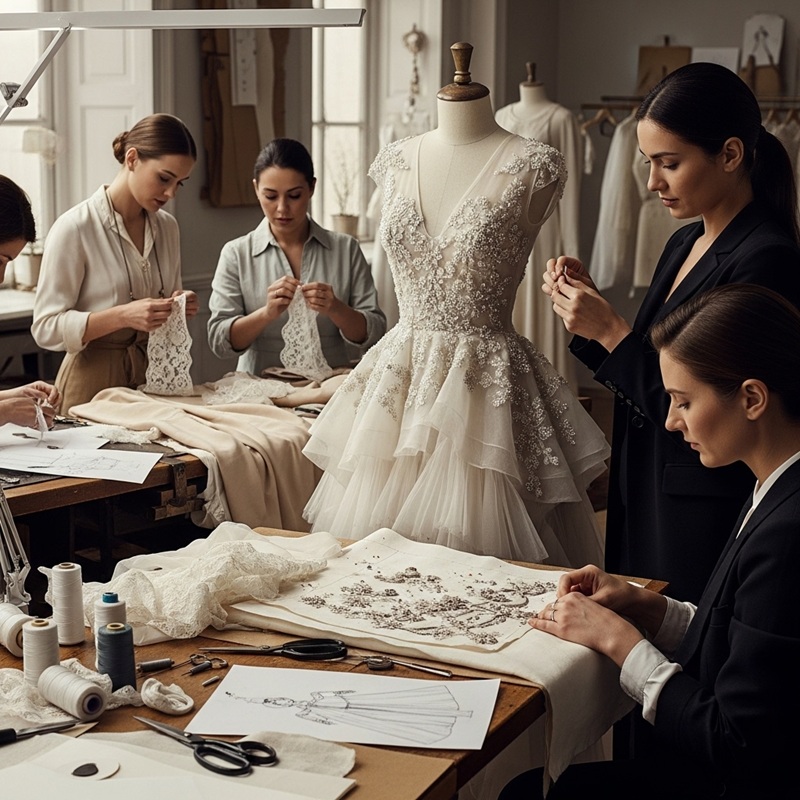
Consider this: a couture gown may take 300 to 800 hours to complete. A team of seamstresses, pattern-makers, embroiderers, and tailors work in concert, often using techniques passed down for generations.
Unlike fast fashion, there are no shortcuts. Each gown is the result of painstaking handwork, precision, and deep emotional investment from the craftspeople. You’re not just paying for a dress; you’re paying for time, skill, and legacy.
5. Design House Prestige and Branding
When you buy a gown from Chanel, Dior, or Elie Saab, you’re investing in the brand’s reputation and history. These names are synonymous with luxury, and their designers are considered visionaries.
Like owning a painting by Van Gogh, a gown from a legendary fashion house becomes a collector’s item, often increasing in value over time.
Cultural Significance and Rarity
6. Limited Editions and One-of-a-Kind Creations
Exclusivity drives up cost. Designers often create limited-edition gowns or custom pieces for VIP clients and celebrities. If only one version of a gown exists in the world, it becomes a rarity, and rarity commands a premium.
Some pieces are even accompanied by certificates of authenticity, numbering, or archival inclusion.
7. The Red Carpet Effect
When a celebrity wears a designer gown to the Oscars or Met Gala, its value can skyrocket overnight. Suddenly, that dress is iconic, forever tied to a cultural moment. Designers strategically place gowns on A-listers to elevate their market prestige.
Logistics, Marketing, and Overheads
8. Behind-the-Scenes Costs
Don’t overlook the business of fashion. Luxury fashion houses incur high costs for:
-
Showroom production
-
Global runway shows
-
Editorial photo shoots
-
High-end boutique placements
-
Brand ambassadors and marketing campaigns
These expenses are factored into every gown’s price. You’re not just buying fabric—you’re buying into a lifestyle, a fantasy.
9. Sustainable and Ethical Practices
Many expensive gowns today come from eco-conscious fashion houses that prioritize:
-
Fair wages
-
Sustainable dyeing methods
-
Zero-waste production
-
Organic fabrics
While commendable, these ethical commitments raise production costs, which are reflected in the final retail price.
Personalization and Custom Fit
10. Tailored to Perfection
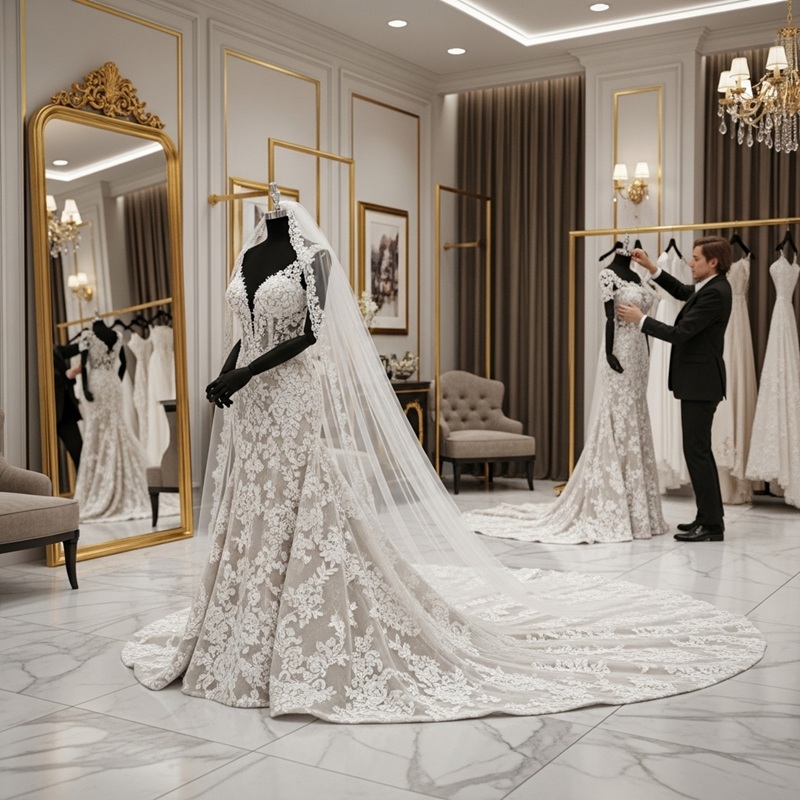
A gown that fits like a second skin? That’s the power of a custom fitting. Luxury gowns are often made to order or adjusted with multiple fittings, ensuring the wearer feels confident and comfortable.
This involves personal consultations, bespoke adjustments, and styling sessions, much like commissioning a tailored suit or a luxury car interior.
The Metaphor: A Gown Is Like a Symphony
Just as a symphony is more than a collection of notes, a luxury gown is more than threads and beads. It is a performance—where the designer is the composer, the seamstresses are the musicians, and the fabric is the melody. When all elements come together, the result is a masterpiece that moves hearts and turns heads.
FAQs About What Makes A Gown Expensive
1. Is it the brand that makes a gown expensive?
Not solely. While branding plays a part, elements like fabric quality, handcrafting, design complexity, and exclusivity also contribute significantly.
2. How many hours does it take to make an expensive gown?
It can range from 300 to over 1,000 hours, depending on the intricacy, especially for haute couture pieces.
3. Do celebrities pay for their red carpet gowns?
Usually, no. Designers loan the gowns for exposure. However, some custom gowns are purchased or commissioned at a premium.
4. Are all expensive gowns handmade?
Most couture gowns are handmade, while luxury ready-to-wear gowns may involve partial machine work with hand-finishing.
5. Why do some wedding dresses cost over $10,000?
Because of the fabric, craftsmanship, embellishments, and customization involved. Also, the emotional and ceremonial value of weddings inflates demand.
6. Is it possible to buy an expensive-looking gown at a lower price?
Yes. Look for quality fabrics, good tailoring, and minimalist designs. Some mid-range designers offer exceptional quality without the premium label price.
7. What is the most expensive gown ever made?
The Nightingale of Kuala Lumpur, valued at $30 million, is among the most expensive, featuring diamonds and luxurious silk.
8. Can gowns be considered investment pieces?
Certain gowns, especially those with historical or celebrity provenance, can appreciate in value over time and become collectible.
9. Do expensive gowns require special care?
Yes. Most require professional dry cleaning, careful storage in breathable bags, and minimal exposure to light and humidity.
10. Where can I see or buy expensive gowns in Uganda?
High-end bridal boutiques and luxury fashion importers in Kampala, such as Sylvia Owori Boutique or Zipper Fashion House, carry premium collections.
Final Thoughts: Decoding the Luxury
In the end, what makes a gown expensive is not just material—it’s emotion, craftsmanship, story, and status. It’s the symphony of fine fabric, hand-stitched embroidery, and the echo of fashion history stitched into every seam.
It’s not just about looking good—it’s about feeling irreplaceable. And that kind of elegance doesn’t come cheap.
Useful External Resources
Internal Links for Related Fashion Content
Let your audience not just wear a gown—let them wear a story.