


Categories Of Tailors You Should Know – From Beginner to Mastery
15 Categories of Tailors (What they tailor, why they’re categorized, the level rankings, what category is best to pursue, and how to get there)
If you’re curious about tailoring as a craft or career, you’ll find it helpful to look at the 15 different categories of tailors. I’ll explain what each one tailors, why the category exists, how they rank in terms of skill and opportunity, and which might be the best one for you to pursue — and how to move toward it.
Why categorise tailors?
Tailoring isn’t just one uniform skill. Tailors may specialize in very different garments, techniques, markets, or end-users. The categories help clarify:
-
what they tailor (for example: suits versus casual clothes, uniforms versus bespoke dresses)
-
What skills and tools do they use
-
What market or price point do they serve?
-
What level of craft or business acumen is required
By understanding the level rankings (from entry or general tailors to high-end bespoke masters), you can decide which category to aim for depending on your interests, strengths, and goals. And by knowing how to “get there”, you can set practical steps toward advancement.
Here are 15 categories, in roughly increasing order of specialization/skill/market prestige, though the ranking isn’t rigid.
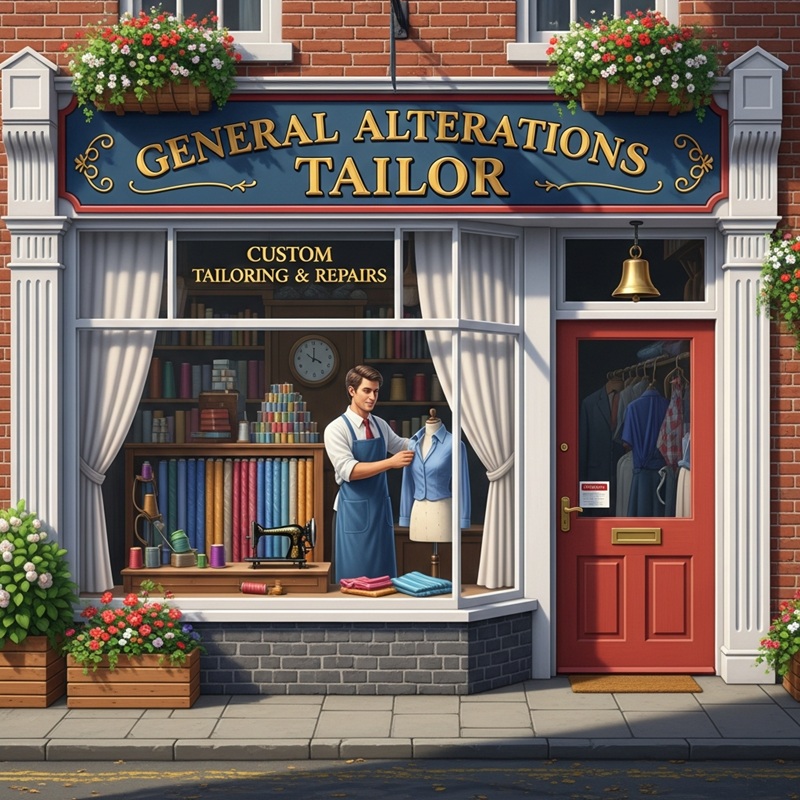
1. General Alterations Tailor
What they tailor: Casual garments needing adjustment (e.g., shortening pants, taking in dresses, repairing seams).
Why the category exists: There is a constant need for fitting adjustments and repairs in everyday wear. Many people go to a tailor simply for alterations rather than new garments. StudioSuits+2Tad More Tailoring+2
Level ranking: Entry to intermediate. Good for starting in tailoring, building experience with measurements, basic sewing, and customer communication.
Best to pursue? Yes, if you’re new and want steady work, lower overhead, and build hands-on skills.
How to get there: Learn basic sewing and garment construction, practise taking measurements, ask friends/family for small alteration jobs, and build a local reputation.
2. Uniforms & Workwear Tailor
What they tailor: Uniforms (school, hospital, corporate), workwear (overalls, high-visibility jackets), and functional garments.
Why category exists: These garments have specific requirements (durability, specific sizing, sometimes branding). A tailor must understand both fit and utility.
Level ranking: Low to mid. The technical complexity is less about fashion styling and more about fit, durability, and standard sizes.
Best to pursue? Yes, especially if you want a stable business niche with institutional clients.
How to get there: Familiarise yourself with common fabrics used in workwear, standard sizing charts, and establish contacts with organisations needing uniform services.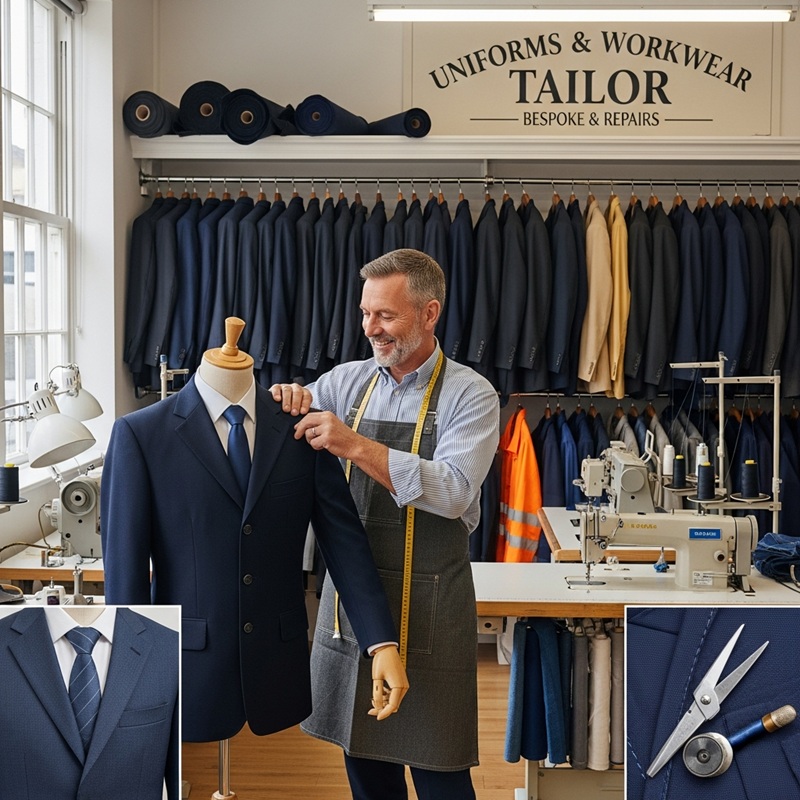
3. Bridal & Formalwear Tailor
What they tailor: Wedding dresses, formal gowns, tuxedos, and afternoon dresses.
Why category exists: These garments often involve special fabrics (lace, satin), complex construction, multiple fittings, and high client expectations.
Level ranking: Mid to high. Requires skill in finishing, design sensibility, and client service.
Best to pursue? If you enjoy working in a high-stakes, event-driven environment and have patience for multiple fittings and customisations.
How to get there: Build a portfolio with formal pieces, learn advanced sewing techniques (beading, lace insertion, lining), and develop networking with event planners/bridal shops.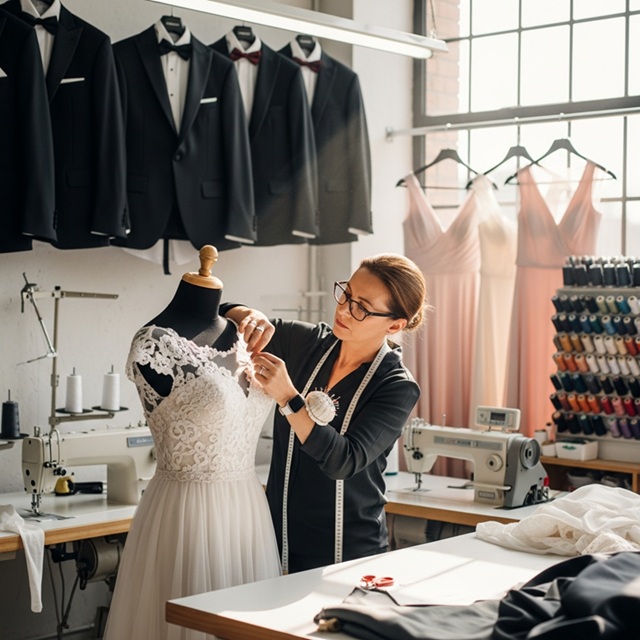
4. Men’s Suit Tailor (Off-the-Rack + Alterations)
What they tailor: Men’s suits in standard sizing, adjusted for individual fit.
Why the category exists: Many people buy suits “off the rack” but need tailoring to achieve a proper fit. Tailor bridges to mass-market purchase and better fit.
Level ranking: Intermediate. Requires good knowledge of suit construction, measurements, shoulder/waist fitting, etc.
Best to pursue? Yes, if you like classic menswear and want a steady client base of professionals.
How to get there: Study menswear suit construction, practice fitting men of varying body types, and build relationships with local business clientele.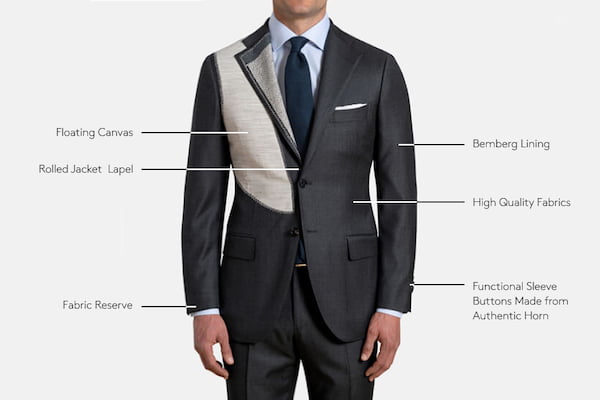
5. Women’s Tailored Separates & Business Wear Tailor
What they tailor: Women’s fitted blazers, pencil skirts, tailored trousers, business dresses.
Why the category exists: Tailoring for women’s workwear requires an understanding of female body shapes, style trends, and professional attire.
Level ranking: Intermediate. Adds style dimension and more variation in fabrics and cuts.
Best to pursue? If you’re interested in women’s fashion and professional wardrobe, this could be rewarding.
How to get there: Learn about women’s body shapes, pattern making for tailored separates, and establish connections with women professionals needing fits.
6. Made-to-Measure Tailor
What they tailor: Garments created on a standard base pattern but adjusted for a client’s measurements (a step above alterations). Wikipedia+1
Why category exists: Clients want a better fit than off-the-rack but may not be ready for full bespoke. Made-to-measure offers a practical compromise.
Level ranking: Mid to high. Requires pattern-adjustment skill, measurement precision, and client consultation.
Best to pursue? If you want to step up from basic tailoring and command higher prices, but don’t want the full complexity of bespoke.
How to get there: Learn pattern modification techniques, invest in measurement tools, build a portfolio of made-to-measure garments, ensure client feedback, and repeat business.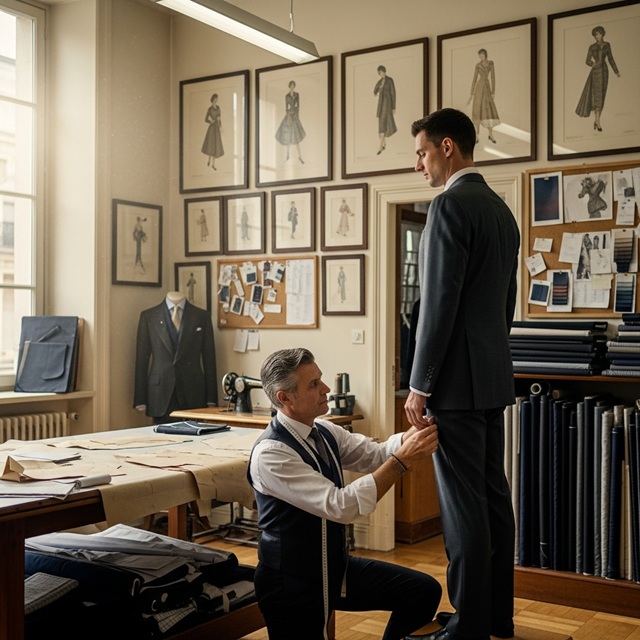
7. Bespoke Tailor
What they tailor: Unique garments made from scratch per client, with individually drafted patterns, multiple fittings. Wikipedia+1
Why category exists: For clients seeking the highest level of fit, craftsmanship, customisation, and exclusivity.
Level ranking: High. Considered the top tier of tailoring craft.
Best to pursue? Only if you enjoy detailed, high-end work, have patience, and want to focus on craftsmanship rather than volume.
How to get there: Apprenticeship with an established bespoke house, master pattern drafting and hand‐sewing, build an excellent reputation, and serve affluent clientele.
8. Women’s Couture Tailor
What they tailor: High-fashion custom dresses, gowns made with couture techniques (hand-sewn finishes, unique design).
Why category exists: Similar to bespoke but in the realm of women’s high fashion – each piece a work of art.
Level ranking: Very high. Technical mastery, artistic sensibility, and high expectations.
Best to pursue? Only if you love fashion design, are comfortable with high pressure, and aim for a luxury clientele.
How to get there: Fashion design training, couture techniques, showpiece portfolio, links to fashion houses or private clients.
9. Alter-Someone’s Existing Garments Tailor (Remodelling/Upcycling)
What they tailor: Refashioning existing garments (remodelling, up-cycling, heavy alterations).
Why category exists: With increasing interest in sustainability, many want to reuse or restyle items rather than buy new.
Level ranking: Variable (from basic to advanced), but it’s a niche with growing potential.
Best to pursue? Yes, if you’re socially conscious, creative, and want to ride the sustainability trend.
How to get there: Develop skills in cutting, redesigning, and creative sewing; market your “reuse” service; find clients who want unique restyled garments.
10. Costume & Stage Tailor
What they tailor: Costumes for theatre, film, dance, and events. These garments may require more dramatic shapes, rapid changes, and special fabrics.
Why category exists: Performing arts and event industries demand tailored pieces that serve function (movement, quick change) and design.
Level ranking: Mid to high. Unique requirements and quick-turn timelines add complexity.
Best to pursue? If you like creative, fast-paced work and are comfortable collaborating with directors or stage teams.
How to get there: Learn about costume design, fabric behaviour in movement, collaborate on local theatre productions, and build a portfolio of stage work.
11. Bridal & Evening Couture Tailor
What they tailor: Unique evening gowns, red-carpet dresses, bridal couture (distinct from “just formalwear”).
Why the category exists: Luxury event wear involving bespoke design, high craftsmanship, and premium pricing.
Level ranking: High. Similar to couture tailoring but specifically for special events.
Best to pursue? If you want the glamour of one-off high-end garments and key clients.
How to get there: Portfolio of evening/bridal couture, network with bridal/event planners, master couture sewing techniques (beading, hand-finishing).
12. Leather & Specialty Fabric Tailor
What they tailor: Garments made from leather, suede, exotic fabrics, or non-standard materials (e.g., motorcycle suits, leather jackets, protective suits).
Why the category exists: Specialty fabrics require different handling, equipment, and fitting techniques.
Level ranking: Mid to high. Additional technical challenges make this a distinct niche.
Best to pursue? If you like materials that behave differently, and you want a niche where fewer tailors may compete.
How to get there: Gain experience working with leather or specialty fabrics, invest in appropriate tools (heavy-duty sewing machines, special needles), and market your specialty.
13. Children’s & Maternity Tailor
What they tailor: Tailored garments for children (suits, formal wear) and maternity garments (fitted dresses, suits for pregnant women).
Why the category exists: These markets have special sizing, fitting, and comfort considerations.
Level ranking: Entry to mid. While less glamorous, it’s a steady niche and often underserved.
Best to pursue? Yes, if you’d prefer a stable, less high-pressure niche, and especially if you’re motivated by helping underserved clients.
How to get there: Learn sizing and fitting for children and maternity shapes, build relationships with maternity and kids’ clothing stores or communities.
14. Bespoke Footwear & Accessories Tailor
What they tailor: Though “tailor” typically means garments, some tailors expand to bespoke accessories (caps, waistcoats, bespoke jackets with matching accessories) or partner with shoemakers and leatherworkers. This category sits at the high end of customization.
Why category exists: Some clients look for full matched ensembles — custom jacket, vest, accessories, shoes. Tailoring integrates into a larger bespoke look.
Level ranking: Very high. Requires coordination with other crafts (shoe-making, leather crafts) and advanced design sense.
Best to pursue? If you’re already in bespoke tailoring and want to offer full bespoke wardrobes or accessories.
How to get there: Partner with shoemakers, accessory makers; learn about full ensemble design; build a high-end tailor brand.
15. Mobile/Remote & Digital Tailor
What they tailor: Tailoring services offered remotely (online orders plus shipping), mobile tailors who visit clients (hotel rooms, events), or digital consultation & measurement services. Medium+1
Why the category exists: Changes in technology and lifestyle mean some clients prefer convenience and remote access.
Level ranking: Mid to high, depending on service sophistication. The business model can scale well.
Best to pursue? Yes, if you want flexibility, a broader geographical client base, or to integrate tech into tailoring.
How to get there: Develop online presence, learn remote measurement protocols, invest in logistics, possibly a mobile setup, and build trust online through portfolio and reviews.
Which category is best to pursue?
There’s no one “best” category for everyone — it depends on your interests, skills, budget, and market. But here are some pointers to help you decide:
-
If you’re new to tailoring and want to start small, begin with General Alterations Tailor or Uniforms & Workwear. These allow you to build your skill, reputation, and client base without a huge investment.
-
If you like fashion and customization but don’t want full high-luxury: Consider Women’s Tailored Separates, Men’s Suit Tailor, or Made-to-Measure Tailor. These offer higher value work and more creative satisfaction.
-
If craftsmanship, exclusivity, and luxury appeal to you, Go for Bespoke Tailor, Women’s Couture Tailor, or even Bespoke Accessories Tailor. These demand high skill and investment, but can also command premium pricing.
-
If you like novelty, creativity or sustainability: Look at Remodelling / Up-cycling, Costume & Stage Tailor, or Mobile/Remote/Online Tailor. These niches may let you carve out distinct services and differentiate yourself.
So think about: what you enjoy doing (measurements, fashion design, altering, working with special fabrics), how much you can invest (tools, space, marketing), and what market is around you. Then choose your category and move toward it with targeted steps.
How to get there (general roadmap)
Here are general steps that apply to whichever tailoring category you aim for:
-
Learn the core skills. At minimum: taking measurements, fitting alterations, sewing techniques, and garment construction.
-
Specialize according to your category. If you’re going into suits, learn suit construction. For bridal, learn lace, beading, and linings. For leather, learn handling and tools.
-
Build a portfolio. Photograph your work, collect client testimonials, and show before-and-after if possible.
-
Set up your workspace and tools. Even for basic tailoring, you’ll need quality sewing machines (s), measuring tools, a cutting table, and good lighting. For higher categories, you may need press machines, hand-finishing tools, or mobile equipment.
-
Develop a pricing strategy and client base. Entry categories may price per alteration; higher categories may price per garment or project. Network locally, and if you go remote/online, invest in a website and shipping logistics.
-
Continual improvement. Study patterns, attend workshops, keep up with fabrics and fashion trends (for fashion-related categories), or upgrade your business operations.
-
Elevate your category over time. As you gain experience, you can move from general alterations to made-to-measure, then bespoke, if that’s your path. The ranking is less rigid but the progression reflects increasing skill, customisation, responsibility and earning potential.
FAQs
Q1: What’s the difference between made-to-measure and bespoke tailoring?
A1: Made-to-measure uses a standard pattern that’s adjusted for a client’s measurements, whereas bespoke means a pattern is drafted from scratch for each client, often with multiple fittings and more hand-crafting. Wikipedia+1
Q2: How do I know if I have enough skill to move from alterations to suit tailoring?
A2: If you’re comfortable with basic alterations (hemming, taking in, letting out) and understand garment structure (shoulders, lapels, waist lines), you can practise suit parts on less expensive fabric, get mentor feedback, and then offer suit adjustments. Once you can confidently tailor a full suit fit, you’re ready to transition.
Q3: Which tailoring category has the most demand in developing countries?
A3: Often, alterations and uniforms/workwear have high steady demand since many customers need basic adjustments or standard uniforms. Bridal/formal wear also tends to do well. High-end bespoke may have a smaller demand but higher pricing. Market research in your area helps.
Q4: How much equipment do I need to start as a tailor?
A4: At minimum: a reliable sewing machine, measuring tape, set of tailoring scissors, pins, basic pressing tools, good lighting and workspace. For higher categories: cutting table, tailor’s horse, steam press, industrial machine, etc. You can scale up as you go.
Q5: Can I specialise in more than one category?
A5: Yes. For example, you might offer both alterations and men’s suit tailoring, or bridal and evening couture. But be careful: specialising helps build reputation in one area; spreading too thin may reduce your expertise perception. It’s often best to master one niche, then expand.
Roadmap to Becoming a Made-to-Measure Tailor
Made-to-measure tailoring sits between ready-to-wear and full bespoke. You’ll create garments (often suits, blazers, trousers, dresses, or uniforms) using a standard pattern adjusted precisely to each client’s body.
It’s perfect if you enjoy both craft and business, want to charge more than for alterations, but aren’t yet ready for full bespoke complexity.
1. Learn the Core Tailoring Skills
Before you jump into made-to-measure, ensure you have strong fundamentals.
Essential skills:
-
Measuring the body accurately (neck, chest, waist, hips, arm length, inseam, etc.)
-
Pattern reading and modification
-
Sewing (machine and some hand-finishing)
-
Basic garment construction and pressing techniques
Recommended learning sources:
-
Apprenticeships or short courses at local fashion/tailoring schools
-
YouTube channels like Gentleman’s Gazette, Made-to-Measure Academy, or Tailor’s Institute
-
Books such as Classic Tailoring Techniques by Roberto Cabrera or The Modern Tailor, Outfitter and Clothier series
2. Understand the Made-to-Measure System
A made-to-measure tailor doesn’t create patterns from scratch — they modify existing templates (base patterns) to match each client’s unique body shape.
Key components:
-
Base pattern: A standard design that you modify for each client
-
Measurements: Taken precisely from the client
-
Fittings: One or two fittings to refine the garment
-
Production: The garment is cut and sewn (often in-house or by an assisting tailor)
Goal: Achieve a clean, flattering fit that feels personal but takes less time than bespoke.
3. Choose Your Niche
Made-to-measure tailoring can apply to different markets. Pick one or two to start.
Options include:
-
Men’s suits and business wear
-
Women’s blazers, dresses, and formal separates
-
School or corporate uniforms
-
African traditional wear with tailored precision (like kitenge suits or gomesi variations)
Tip: Research what’s in demand in your area. For example, in Uganda, men’s suits, bridal wear, and uniforms are often in steady demand.
4. Gather Tools and Equipment
You don’t need to start big. Begin with quality essentials and upgrade as your client base grows.
Basic toolkit:
-
High-quality sewing machine (straight stitch, industrial if possible)
-
Measuring tapes (soft and flexible)
-
Tailor’s chalk and rulers
-
Scissors (fabric and paper)
-
Steam iron or pressing station
-
Dress forms (optional but useful)
-
Pattern paper or software for adjustments
Pro tip: Keep your workspace clean, well-lit, and professional-looking — clients often judge your skill by your workshop’s organization.
5. Develop Your Pattern & Measurement System
This is the heart of made-to-measure work.
You’ll need a method for adjusting standard patterns based on client measurements.
How to do it:
-
Start with a base pattern in the client’s general size.
-
Compare body measurements against the pattern measurements.
-
Add or subtract width/length where needed (e.g., waist, chest, sleeve length).
-
Transfer changes cleanly on paper before cutting fabric.
-
Always make a sample garment (muslin) for new clients before cutting expensive fabric.
Optional: Learn to use pattern software like Optitex or CLO3D to digitalize your made-to-measure process.
6. Practice Fittings and Customer Service
Your ability to communicate well during fittings can make or break your business.
During the first fitting:
-
Ask the client how they like their clothes to fit (snug, relaxed, classic).
-
Check shoulders, sleeves, and posture carefully.
-
Pin or mark any needed changes directly on the garment.
During the second fitting:
-
Confirm comfort and balance.
-
Make final adjustments to ensure a near-perfect result.
Customer care tips:
-
Be polite, confident, and patient.
-
Keep notes for each client (measurements, fabric choices, fit preferences).
-
Offer style advice when appropriate — it builds trust and returns business.
7. Build a Portfolio and Brand
You’ll need to showcase your skills to attract better clients.
Portfolio ideas:
-
Before-and-after alteration photos
-
Close-ups of fine details (lapels, linings, stitching)
-
Clients wearing finished suits or dresses
-
A small online gallery (Instagram, Facebook, Google Business Profile)
Branding advice:
-
Choose a memorable business name (e.g., Abuni Custom Tailoring Studio)
-
Create a neat logo or use your name stylishly
-
Print simple business cards
-
Encourage happy clients to leave reviews
8. Set Prices and Manage Costs
Made-to-measure work commands higher prices than basic alterations, but pricing must reflect time and skill.
Example structure:
-
Men’s suit: UGX 350,000 – 800,000
-
Women’s dress or blazer: UGX 200,000 – 600,000
-
Uniform (made-to-measure): UGX 150,000 – 300,000
Pricing formula:
( Fabric cost + Labor time + Overheads + Profit margin ) = Final price
Always include time for fittings, finishing, and potential minor revisions.
9. Network and Promote Your Work
Your best clients often come through referrals.
Promotion ideas:
-
Collaborate with photographers or stylists for fashion shoots.
-
Offer discounts to first-time clients.
-
Tailor for local events or offices to get exposure.
-
Maintain a consistent presence on social media with tips, client showcases, and behind-the-scenes videos.
Tip: Word of mouth travels fast when your quality is excellent — treat every garment as a potential advertisement.
10. Keep Learning and Evolving
Tailoring trends change. Clients today want both comfort and style. Keep up by learning modern fitting methods and technologies.
Continuous growth ideas:
-
Take masterclasses in bespoke tailoring or pattern design.
-
Follow international tailors on Instagram or YouTube.
-
Experiment with digital measurement tools.
-
Attend fashion expos or tailoring competitions.
Long-term goal: Move from made-to-measure into full bespoke tailoring or open your own small fashion brand.
Quick Checklist: Made-to-Measure Tailor Essentials
| Step | Action | Status |
|---|---|---|
| 1 | Learn basic sewing and measurement | ☐ |
| 2 | Get a base pattern library | ☐ |
| 3 | Practice adjusting patterns for different body shapes | ☐ |
| 4 | Set up a simple workspace | ☐ |
| 5 | Tailor sample garments for 3–5 people | ☐ |
| 6 | Create an online portfolio | ☐ |
| 7 | Print business cards / start social media page | ☐ |
| 8 | Define your pricing | ☐ |
| 9 | Attend local fashion events or markets | ☐ |
| 10 | Aim to upgrade to bespoke within 2–3 years | ☐ |
Final Thoughts
Made-to-measure tailoring is the sweet spot where craftsmanship meets practicality. It rewards patience, skill, and professionalism. As you grow your confidence and client base, you can expand into bespoke, couture, or digital tailoring — whichever path feels right for you.
Tailoring is one of the few crafts where passion directly shapes success. Every stitch adds to your mastery, and every happy client becomes your best advertisement.


