


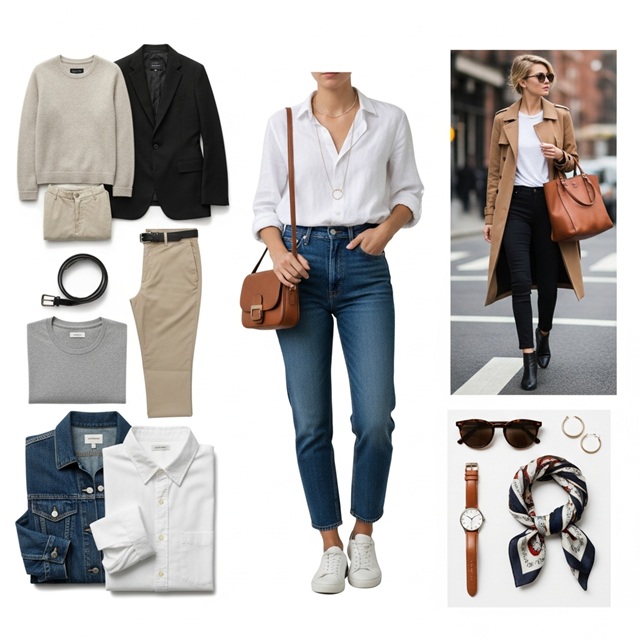
How To Dress Simple But Stylish
If you’ve ever stared at your closet wondering, “What should I wear so I look good but not like I’m trying too hard?”, then this article is for you. We’ll walk through how to fashion with intention, offering tips for styling it, understanding when and where to dress smart, and the clear dos and don’ts that make the difference.
Understanding the Idea of “Simple & Stylish”
When we say “simple but stylish”, we’re not talking about bland. Rather, it’s about clothes that feel comfortable and effortless—but still look polished. It’s the kind of outfit that says: “I know what I’m doing, and I didn’t overthink it.”
Research in the psychology of fashion shows that what we wear affects not just how others perceive us but how we perceive ourselves. ModGirlStyle So by dressing with simple style, we’re also aligning how we feel with what we present.
Why It Matters: The Why Behind the “How”
If you only focus on trends or complicated styling, it’s easy to burn through outfits, spend too much, and still feel like you have nothing to wear. One article said: “Many of us have closets that are full of clothes, yet we only wear a select few items time and time again.” Woman & Home
By simplifying your approach—choosing the right pieces, using proven styling tips—you’ll spend less time stressing and more time feeling confident.
Building the Basics: What You Need in Your Wardrobe
Know Your Staples
Start by identifying a set of core items that work for you. These tend to be:
-
A well-fitting plain t-shirt (white or neutral)
-
A good pair of jeans or trousers that actually fit your body
-
A neutral coloured sweater or shirt
-
A blazer or lightweight jacket you can throw on when you want a more put-together look
-
Footwear that is comfortable but clean (think minimalist trainers, loafers, or simple boots)
These staples form the base of – how to fashion, tips for styling it, when, where, and how to dress smart, dos and don’ts.
Choose Quality Over Quantity
Rather than buying lots of pieces, buy fewer items that are well-made and fit well. One expert piece of advice: “Never buy anything just because it’s a great deal – if you never wear it, it’s definitely not a bargain!” Woman & Home
Pick a Simple Color Palette
If your wardrobe is all over the place with bright colours and wild prints, putting outfits together becomes harder. Neutrals—black, white, grey, navy, beige—play nicely together and make mixing easier. Woman & Home+1
Fit Is Everything
It’s been shown that clothes that fit properly solve most of the problems people have with style. The Essential Man Even a simple outfit can look sharp if everything fits as it should.
Styling Tips: How to Dress Smart for When and Where
Understand the Occasion
When you plan an outfit, ask: Where am I going? What impression do I want to make? Whether you’re going to work, meeting friends, or running errands—matching your outfit to the situation matters. Research shows that fashion knowledge includes “occasion, person and clothing” to make the right choice. arXiv
Smart Dress for Work or Meetings
-
Choose a blazer or a clean structured jacket
-
Base layers in neutral colours, with one slightly more interesting piece or accessory
-
Simple shoes—nothing too flashy
-
Minimal prints, clean lines
Casual but Stylish
-
Use your staple items (t-shirt, jeans/trousers)
-
Add one element of interest: a belt, a textured jacket, a nice watch
-
Keep accessories simple and purposeful
Dressing for Social Events
-
You have a bit more leeway to play with texture, colour or accessory, but still keep it balanced
-
One statement piece + other simple pieces = a good formula
-
Avoid going all out unless the event demands it
When and Where: Quick Rules
-
Daytime/errands: Keep it relaxed but neat—clean shoes, well-fitting basics, minimal fuss
-
Evening/dinner: Bring in one elevated piece (leather jacket, sleek dress, tailored shirt)
-
Formal / work presentation: Lean into structure—blazer, clean shirt, minimal print, classic shoes
Dos and Don’ts: Clear Guidance
Dos
-
Do invest in a few key good pieces you will wear often
-
Do stick to a neutral palette for the base of your wardrobe
-
Do ensure your clothes fit you well and suit your body shape
-
Do keep accessories simple and intentional
-
Do keep your wardrobe and shoes in good condition (clean, pressed, not worn out)
Don’ts
-
Don’t buy clothes just because they’re cheap and on sale
-
Don’t fill your closet with trend-only pieces that cannot be mixed in
-
Don’t wear clothes that are too big or too small—fit ruins the look
-
Don’t over-accessorise or mix too many prints—chaos reduces polish
-
Don’t neglect grooming and condition—stylish doesn’t survive if shoes are scuffed or clothes are rumpled
Pulling It Together: Example Outfits
-
Basic smart-casual: White or ivory t-shirt, navy straight-leg jeans, beige blazer, white minimalist sneakers.
-
Work-ready: Light blue shirt, charcoal trousers, black blazer, leather loafers.
-
Evening out: Black slim trousers, charcoal sweater, leather jacket, black boots.
In each case: simple colour scheme, good fit, one standout item, minimal fuss.
Practical Checklist Before You Step Out
-
Look in the mirror: Are the clothes fitting well?
-
Check colour combinations: Are they harmonious?
-
Consider shoes and accessories: Are they clean and appropriate?
-
Ask yourself: Am I comfortable? Does this reflect who I am today?
-
Think about the event: Will this outfit suit the place and time?
Summary
Dressing simply but stylishly means focusing on the fundamentals: well-fitting basics, a modest colour palette, quality over quantity, and smartness of accessory and outfit choice depending on the occasion. When you combine how to fashion, tips for styling it, when and where to dress smart, and follow clear dos and don’ts, you’ll find yourself with a wardrobe that serves you rather than overwhelms you. With less stress, more confidence, and genuine style.
FAQs
Q1: Can I mix patterns and still keep it simple but stylish?
A1: Yes—if you do it sparingly. Use one pattern or print and match it with solid neutrals. Avoid mixing multiple bold patterns in one outfit as that can look busy instead of polished.
Q2: How many neutral items vs colourful ones should I have?
A2: A good rule: build your wardrobe around neutral items (say, 70–80 %) and use the remaining for colour or pattern. This ensures ease of mixing and fewer outfit mistakes. (Research suggests neutral palettes help effortless outfit building.) Woman & Home+1
Q3: What if I have a unique body shape—how do I make simple styling work for me?
A3: Fit becomes even more important. Find cuts and styles that suit your frame. There is academic research showing strong correlations between body shape and clothing-style suitability. Cheng-Chun Hsu’s Homepage+1 Tailoring helps a lot.
Q4: What accessories should I invest in for a simple, stylish wardrobe?
A4: One or two quality pieces: a classic watch, a clean leather belt, minimalist shoes, maybe a simple necklace or earring. These let you add interest without taking over the outfit.
Q5: How often should I update my wardrobe?
A5: Rather than chasing every trend, review your wardrobe each season: remove items that don’t fit, aren’t worn, or are worn out. Add one or two quality pieces to fill gaps. This maintains your simple, stylish look without overspending. Woman & Home

