Thursday, May 28, 2026
Home Blog Page 2

Grace Wales Bonner Appointed Hermès Menswear Creative Director as Véronique Nichanian Departs After 37 Years

0

Appointments and Departures in Fashion World


The realm of men’s luxury fashion has witnessed a moment of tectonic shift: the announcement of the Grace Wales Bonner appointment at Hermès, and the departure of Véronique Nichanian after an extraordinary 37-year tenure. In this analysis of “appointments and departures in the fashion world,” we delve into the significance of this hand-off, the contexts behind it, and what it signals for both the maison and the industry at large.


The Changing of the Guard: Appointments and Departures in the Fashion World

A Storied Departure: Véronique Nichanian Bowing Out

For nearly four decades, Véronique Nichanian steered Hermès’s menswear collections with quiet authority. She joined the house in 1988 and, over 37 years, built a menswear identity defined by precision tailoring, luxurious materials, and an ethos of understated elegance. Reuters+410 Magazine+4Hypebeast+4

Her departure—announced in October 2025—concludes one of the longest continuous creative directorships in luxury fashion. Vogue+2Reuters+2

When someone holds the creative reins for so long, the change is less a ripple and more an epoch shift. Nichanian’s legacy at Hermès is like a slow-burning candle: its flame steady, its glow subtle, shaping the maison’s masculine wardrobe with a craftsman’s hand rather than trend-chasing frenzy.

A Historic Appointment: Grace Wales Bonner Steps In

Enter Grace Wales Bonner—35-year-old British designer of Jamaican-English heritage—who has been named Hermès’s new Creative Director of Menswear, to take over the role in full by January 2027. Marie Claire+3Reuters+3Harper’s BAZAAR+3

Her appointment touches two powerful cords: first, she becomes the first Black woman to lead the menswear direction at a major European luxury house. Vanity Fair+1 Second, she signals a strategic move by Hermès: new era, new voice, while maintaining the house’s craft-centric, timeless values.

What the Transition Means for Hermès and the Industry

In the vocabulary of “appointments and departures in fashion world,” this moment reads like a pivot-turn for Hermès. Nichanian set a foundation—a stable, iconic structure—and Wales Bonner arrives with fresh cultural momentum, a hybrid of heritage and experimentation.

The maison’s decision to skip the June 2026 menswear show, to allow the studio to handle the interim collection while Wales Bonner prepares her debut for Spring/Summer 2027, points to a desire for intentional transition, not hasty redesign. Vogue+1

This kind of hand-over is rare in a fashion landscape often driven by fast cycles and rejuvenation. Hermès isn’t chasing hype; it’s staging evolution.


Why This Shift Matters in the Context of Appointments and Departures in the Fashion World

Legacy Meets New Narrative

Véronique Nichanian’s work was about longevity—garments that withstand seasons rather than chase them. Meanwhile, Grace Wales Bonner’s trajectory has intersected sport, culture, tailoring, diaspora narratives, and fine craft. Her lens is broad, her voice singular. The appointment thus symbolizes a merging of continuity and transformation.

Representation and Modernisation

The fashion industry has long been scrutinised for its lack of diversity in leadership. The appointment of Wales Bonner is more than symbolic—it’s substantive. Within “appointments and departures inthe  fashion world,” it’s a landmark: a major European luxury house entrusting its menswear creative direction to a young Black woman. That alone reframes the narrative. Harper’s BAZAAR+1

Strategic Business and Cultural Alignment

Hermès, known for its slow-and-steady business model, is not under pressure to reinvent itself from weakness; instead, it is choosing to evolve from strength. Its ready-to-wear and accessories divisions are growing—menswear is a growing business line. Wales Bonner’s appointment, therefore, aligns with commercial logic (fresh energy) and cultural logic (resonance with heritage, craft, inclusive narrative). Reuters+1

The Broader Industry Implication

When high-profile houses manage transitions like this, the ripple spreads. It invites other brands to reflect on their own creative leadership. The pattern of “appointments and departures in the fashion world” reveals a wave: younger designers, more diversity, heritage houses re-thinking how they carry forward. Hermès may not have been forced into it by crisis, but the move is still tightly calibrated.


The Players Behind the Move

Véronique Nichanian: The Architect of Hermès Menswear

Born in France, trained at the École de la Chambre Syndicale de la Couture Parisienne, Nichanian entered the luxury menswear arena through Cerruti and later joined Hermès in 1988. Wikipedia+1 Over decades, she honed Hermès’s menswear DNA: emphasis on materials, subtle colour palettes, intelligent tailoring, and a signature quiet luxury.

In many ways, she built a mansion of menswear quietly and expertly—each collection like a brick, each fabric a cornerstone. Now, her final show is expected in January 2026 during Paris Men’s Fashion Week. L’Officiel IBIZA+1

Her statement that she now wants to devote more time to other things reflects the idea that even pillars need to hand off the keys. Hypebeast+1

Grace Wales Bonner: Culture, Craft and Contemporary Voice

Educated at Central Saint Martins, Wales Bonner founded her eponymous label in 2014 and has since built a reputation for menswear influenced by heritage, the African diaspora, sport and art. Wikipedia+1

Her design philosophy is described as “spiritual practice,” weaving together music, architecture, tailoring, identity. Now, she steps into one of fashion’s most venerable houses, tasked with leading its menswear creative vision. FashionBeans+1

In metaphorical terms, if Hermès’s menswear global presence were a ship, Nichanian kept it on steady open seas for decades. Wales Bonner will now helm that vessel into new waters—still the same ship, but with a fresh map.


Looking Ahead: What to Expect (and Why the Appointment Is More Than Symbolic)

  1. First Collection Anticipation
    Wales Bonner’s debut collection for Hermès is slated for January 2027. Vogue+1 Given the runway’s captured expectations, the collection’s delivery is less “fashion show” and more “cultural moment.”

  2. Hermès’s Menswear Evolution
    By skipping the June 2026 menswear showcase and letting the in-house studio run the interim collection, Hermès is buying time for a thoughtful transition rather than attending to market pressure. FashionBeans+1

  3. Narrative Shift in the Wardrobe
    Expect menswear to reflect Wales Bonner’s own voice: heritage-inspired, culturally literate and subtly disruptive. In other words, the silhouette may remain Hermès, but the storytelling might expand.

  4. Business Implications
    With menswear now logging strong revenue in luxury houses, this appointment points to business alignment: investing in fresh design leadership to support commercial growth. Reuters

  5. Industry Impact
    The move contributes to dismantling outdated creative-leadership archetypes—paving way for younger, more diverse voices at major houses. This signals to the “appointments and departures in fashion world” tracker that the era of catwalks ruled solely by veteran white men is continuing to shift.


The Narrative of Appointments and Departures in Fashion World: Big Picture

Fashion is often told through the metaphor of seasons: falling leaves, new blooms, cycles of renewal. But in the world of creative leadership, these appointments and departures are tectonic rather than seasonal. They reshape horizons.

When a legacy figure steps down and a new voice steps in, the brand doesn’t just change costumes—it re-adjusts its identity. For those tracking appointments and departures inthe  fashion world, this Hermès shift is a landmark. It’s akin to a symphony where the conductor changes—same orchestra, new tempo.

It reinforces that fashion isn’t only about what you wear—it’s about who designs, who leads, who imagines, and who finally hands over the baton.


FAQs About “Appointments and Departures in Fashion World” Relating to This Story

1. What does the phrase “appointments and departures in the fashion world” refer to?
It refers to the movement of high-level creative figures in the fashion industry—when designers or creative directors leave their roles (departures) and when new individuals are appointed (appointments). In this case, it specifically covers the handover at Hermès menswear.

2. Why is Véronique Nichanian’s departure significant?
Her 37-year leadership at Hermès’s menswear division is extraordinarily long in fashion, creating one of the most stable creative tenures in the luxury sector. Her departure marks the end of an era. Vogue+1

3. Why is Grace Wales Bonner’s appointment important?
Her appointment matters both symbolically and creatively: she is the first Black woman to lead menswear at a major European luxury house, and her design voice brings new cultural perspectives. Harper’s BAZAAR+1

4. Will Grace Wales Bonner begin immediately at Hermès?
She is appointed now, but her first full menswear collection at Hermès is scheduled for January 2027, with an interim period handled by the in-house studio. Vogue+1

5. How does this change fit into fashion industry trends?
It aligns with a broader wave of creative leadership renewal in luxury fashion—houses are appointing younger or more diverse designers, repositioning for cultural relevance. Hermès, though stable, is part of this wave via a deliberate strategy. Reuters

6. What can we expect from Hermès’s menswear moving forward?
Expect continuity in craft and luxury quality, but also new narrative layers—heritage informed by culture, identity, perhaps more fluidity in style, as Wales Bonner brings her sensibility to the house.

7. Does this appointment reflect business pressure on Hermès?
Not exactly pressure—but strategic foresight. Hermès is financially strong; therefore, the appointment seems less reactive and more proactive: preserving relevance and creativity. Reuters

8. Why is it unusual for luxury houses to change creative directors this way?
Because many luxury houses favour long-standing creative relationships to maintain brand identity. Hermès is known for retaining leaders; changing direction is a rarer move. Reuters

9. How does representation factor into this story?
Wales Bonner’s ascent challenges traditional leadership demographics in luxury fashion. Her promotion marks a milestone for inclusion in what often has been a closed domain.

10. What’s the broader takeaway from this moment in fashion?
It underlines that “appointments and departures in the fashion world” are not only functional changes—they are cultural milestones. The brands, the audiences, the design languages—all are evolving. When a new creative director arrives, the brand doesn’t just change its blouse—it may rewrite its mirror-image.


In the drama of fashion’s perpetually spinning carousel, today’s announcement at Hermès reminds us that some moves are not ephemeral—they are deliberate. The departure of a long-serving custodian and the appointment of a visionary successor constitutes more than a headline; it compose a new chapter in luxury menswear.

The baton has passed. The story continues. And as watchers of appointments and departures in the fashion world, we may well be witnessing the opening fanfare of a new, quietly powerful motif.

Recent fashion executive changes and analysis
Hermès Appoints Grace Wales Bonner as Creative Director of Menswear

Vogue

Today
Grace Wales Bonner Is the New Creative Director of Hermès Menswear

Vanity Fair

Today
Hermes designer Veronique Nichanian to depart after 37 years

Reuters

4 days ago

Elastic Band Length for Waist: Perfect Fit, Comfort, and Inclusive Fashion

0
Elastic Band Length for Waist: Perfect Fit

Understanding the Right Elastic Band Length for Waist

Choosing the correct elastic band length for your waist may seem straightforward, but it can significantly impact how your clothing fits and feels. Whether you’re sewing a skirt, designing gym wear, or adjusting trousers, the elasticity and tension of the band affect both comfort and appearance. Getting this measurement right can turn an ordinary outfit into a perfect fit.

Why the Right Elastic Length Matters

Elastic waistbands are more than just a convenience feature—they define the comfort and structure of a garment. If the elastic is too tight, it digs into your skin, creating unwanted bulges. If it’s too loose, your clothes may slip or lose shape after a few wears.

The right length balances flexibility and firmness. It stretches enough to fit comfortably yet holds the garment securely around your waist. This is especially important for daily wear, activewear, maternity clothes, and children’s clothing, where comfort and movement matter most.


How to Measure Elastic for Your Waist

Step 1: Measure Your Natural Waist

Use a soft measuring tape and wrap it around your waist at the narrowest point, usually above your belly button and below your rib cage. Keep the tape snug but not tight. This number is your waist measurement.

For example, if your waist measures 32 inches, this will be your base number for calculating elastic length.

Step 2: Adjust for Elastic Stretch

Elastic materials vary in stretchiness. Some are firm and stretch only slightly, while others extend more than 50% beyond their resting length. A general rule is to cut the elastic 2–3 inches shorter than your actual waist measurement for average elasticity.
Formula:
Elastic length = Waist measurement – (2 to 3 inches)

If your waist is 32 inches, you’d cut about 29 to 30 inches of elastic. Always test by wrapping it around your waist before sewing. It should feel secure but not restrictive.

Step 3: Consider Fabric Type

Different fabrics affect how the elastic behaves. For lightweight materials like cotton or rayon, a slightly shorter elastic works well. For thick or stiff fabrics like denim or corduroy, you might need a bit more length so the waistband doesn’t feel too tight.


Types of Elastic and Their Uses

Knowing the types of elastic helps you choose the best one for each project. Here are the main categories:

1. Woven Elastic

Also called non-roll elastic, it holds its shape well and doesn’t narrow when stretched. It’s best for waistbands that sit flat, like skirts, pants, and shorts. You can sew it directly to fabric or insert it into a casing.

2. Knit Elastic

This type is soft, lightweight, and flexible. It works great for lightweight fabrics, baby clothes, and garments that require comfort over structure. However, it can stretch out faster over time.

3. Braided Elastic

It has parallel ridges that make it firm but slightly narrow when stretched. It’s ideal for casings but not recommended for sewing directly to fabric since it can lose elasticity faster with repeated washing.

4. Fold-over Elastic

Commonly used in lingerie and activewear, fold-over elastic provides a smooth edge. It works well when visible elastic is part of the design.

5. Clear Elastic

Made of transparent rubber-like material, it’s often used for knitwear or delicate fabrics to maintain shape without bulk. It’s lightweight but strong.


Adjusting Elastic Length for Different Body Types

Everybody is unique, so the elastic length should reflect that. The “minus two inches” rule works for average proportions, but adjustments can make your garment fit better.

  • For a curvier waist: Cut the elastic slightly shorter for better grip, but don’t over-tighten. Comfort should always come first.

  • For a straighter waistline: A looser elastic provides a smoother fit without digging in.

  • For children: Measure snugly but leave room for growth, usually subtracting only 1 inch from the waist measurement.

  • For maternity wear: Use wider elastic or adjustable bands to accommodate changes in waist size.


Elastic Width and Its Impact

Elastic bands come in various widths—usually from ¼ inch to 3 inches. The width you choose affects both look and function.

Width Best Use Features
¼ – ½ inch Sleeves, necklines, baby clothes Soft and flexible
¾ – 1 inch Waistbands for light skirts, shorts Comfortable for daily wear
1½ – 2 inches Activewear, yoga pants, maternity clothing Firm hold and support
2½ – 3 inches Belts, waist cinchers, high-waist skirts Strong control and structure

A wider band offers more support, while a narrower one adds subtle stretch without bulk.


Testing the Elastic Before Sewing

Before you sew the elastic into your waistband, always test it. Stretch it around your waist a few times to loosen it slightly. Elastic relaxes after the first few stretches, so pre-testing helps you find the true fit.

You can also pin the ends together temporarily, wear it for a few minutes, and adjust as needed before final stitching. This step helps avoid the frustration of undoing stitches later.


Attaching Elastic to a Waistband

There are two main methods:

1. Casing Method

This involves creating a fabric tunnel (or casing) and inserting the elastic inside. It’s neat and works best for skirts, pajamas, or shorts.

Steps:

  1. Fold and stitch the waistband edge to form a casing slightly wider than your elastic.

  2. Leave a small opening to insert the elastic.

  3. Use a safety pin to thread the elastic through.

  4. Overlap the ends by about 1 inch and stitch them together.

  5. Close the opening and distribute the gathers evenly.

2. Sewn-on Method

This technique attaches the elastic directly to the fabric edge, common in sportswear and leggings.

Steps:

  1. Divide both the fabric and elastic into four equal sections.

  2. Pin the elastic evenly.

  3. Stretch slightly while sewing to match the fabric length.

  4. Use a zigzag stitch for flexibility and durability.

Both methods work, but the choice depends on the design and fabric type.


Common Mistakes to Avoid

  1. Cutting too short: It’s better to start slightly longer. You can always trim if needed.

  2. Ignoring fabric thickness: Thick materials require longer elastic for a comfortable fit.

  3. Skipping pre-stretching: Elastic may shrink after the first stretch, causing tightness.

  4. Using the wrong stitch type: A straight stitch can break when stretched. Always use a zigzag or stretch stitch.

  5. Not overlapping ends enough: Less than an inch of overlap can cause weak joins that come apart easily.


Sustainable and Inclusive Design

Fashion today is about more than looks—it’s also about unity, respect, and transformation. Designers across the world are inspired by diversity and inclusivity, moving away from one-size-fits-all thinking.

Using elastic waistbands allows designers to create garments that fit people of all shapes, races, and backgrounds comfortably. It’s a quiet yet powerful symbol of togetherness—a step away from exclusion and body shaming.

Just as society is transforming from division to acceptance, the shift in fashion toward adaptive and elastic-friendly design mirrors that love and unity. Elastic isn’t just about stretch—it’s about adaptability, equality, and comfort for all.

For more articles inspired by diversity and design innovation, explore Trending Fashion News or related reads like European Fashion Trends: Love, Transformation, and Diversity in Modern Design.


Quick Reference Chart: Elastic Length by Waist Size

Waist Measurement (inches) Recommended Elastic Length (inches) Notes
24–26 22–23 Slim build
27–29 25–26 Regular fit
30–32 27–30 Medium to average body
33–35 30–32 Slightly curvy
36–40 33–37 Plus-size or high elasticity fabric
41–45 37–41 Looser or high-comfort fit

This table gives a quick guideline, but always test before finalizing the length.


Summary

Finding the perfect elastic band length for your waist is both science and art. It depends on your waist size, fabric type, stretch level, and comfort preference. By measuring carefully, testing before sewing, and understanding the type of elastic you’re using, you’ll achieve a fit that feels natural and flattering.

Elastic waistbands also symbolize inclusivity in fashion—embracing all body shapes and celebrating diversity. In that sense, fashion becomes more than style; it becomes a reflection of transformation and unity.


FAQs

1. How do I know if my elastic is too tight?
If you see marks on your skin or feel discomfort while sitting, it’s too tight. The elastic should stretch comfortably without squeezing.

2. Can I reuse elastic from old clothes?
You can, but check if it still stretches evenly. Old elastic may lose tension and cause loose waistbands.

3. How do I prevent the elastic from twisting inside the casing?
Use non-roll or woven elastic, and sew vertical stitches through all layers at the side seams to hold it in place.

4. Should I wash the elastic before sewing it into clothing?
Yes, especially if you expect the garment to shrink. Pre-washing prevents future tightness.

5. What’s the best elastic for high-waist skirts or leggings?
A 2-inch wide woven elastic gives firm support and smooth shaping without rolling.


Related Articles:

Latest Fashion Trends in USA 2025: Bold Transformations, Inclusive Style & the End of Outdated Fashion Rules

0
Latest Fashion Trends in USA 2025

Latest Fashion Trends in USA 2025: Love, Transformation, Fashion

The fashion scene in the U.S. in 2025 is doing more than swapping silhouettes or colors. There’s a thread running through many trends now: transformation, identity, community. Part of that comes from how designers, creators, and audiences are wrestling with histories of exclusion and pushing toward togetherness. In other words, fashion isn’t just surface — it’s being used to heal, to express, to bring people closer. Below, I walk you through key trends in the U.S. right now and how they reflect a deeper shift from division toward connection.


Shaping Identity Through Tailoring and Heritage

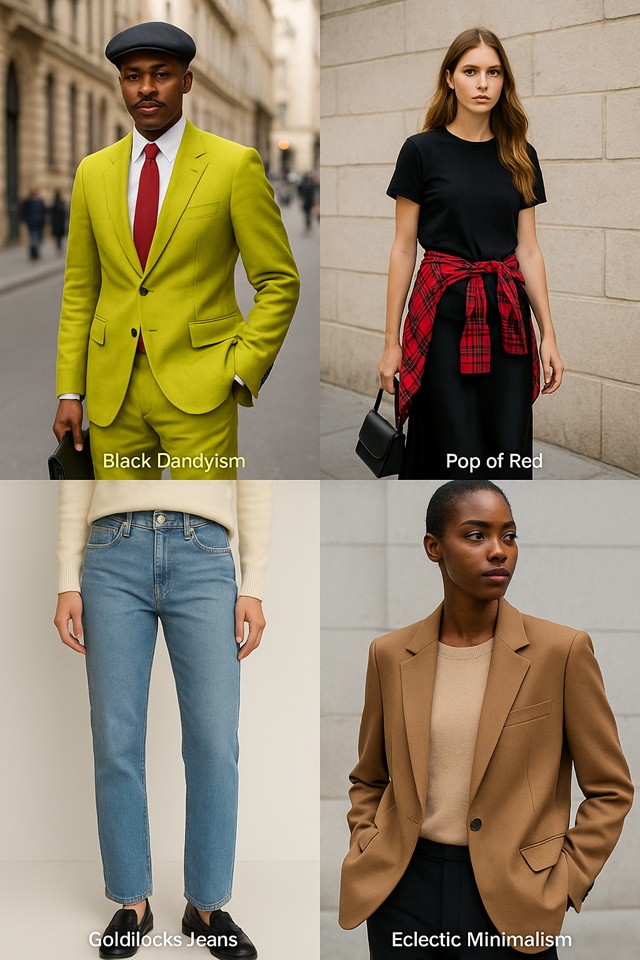
One of the most talked-about themes in 2025 fashion is Black dandyism — the style that reclaims traditional elegance (think sharp suits, crisp shirts, precise tailoring) and reinterprets it through Black identity. The Met Gala’s 2025 theme was “Superfine: Tailoring Black Style,” and it turned heads not just for glamour but for meaning. CBS News+2Wikipedia+2

Black dandyism isn’t a throwback. It’s a conversation: about history, about how people dress under scrutiny, about transforming old narratives. Vogue+2Wikipedia+2

In U.S. urban centers and fashion hubs, designers are leaning into suits with unexpected cuts, layering, and touches of cultural symbolism (patterns, fabrics, colors tied to heritage). This is fashion holding space for identity and transformation.


Color Moves That Signal Change

Color trends are speaking loud this year. A few standouts:

  • Chartreuse (a bold yellow-green) has become a favorite for fall 2025, replacing butter yellow in many designer lines. Byrdie

  • Pop of Red is back. Designers are using red not only for drama but as a visual exclamation point in otherwise neutral outfits. Vogue

  • Zebra prints are rising, taking over from leopard prints. The contrast of black and white in zebra patterns gives a graphic, inclusive feel (less exoticism, more bold statement). Glamour

Color is doing more than decorating — it’s becoming part of the identity language in outfits.


Comfort, Balance, and “Just-Right” Shapes

After years of extremes — ultra-skinny jeans or oversized “everything” — people are trending toward moderation in 2025.

  • Goldilocks jeans (neither too tight nor too loose) are making a comeback. Many fashion watchers see this as a symptom of trend fatigue — people want clothes they can wear without thinking too much. The Guardian

  • Eclectic minimalism is rising — clean lines, fewer “extras,” but with personality through texture, small accents, or heritage elements. Glamour

  • Boho influences in suede are predicted to play into spring/summer 2025. Matching sets in moderate shapes are gaining ground. Heuritech

So while bold statements are still present, there’s a counterbalance in grounded practicality.


Styling Hacks You’ll See Everywhere

Here are a few styling moves that have crossed from runways to streetwear in the U.S.:

  • Tying a plaid shirt around the waist has become a fall 2025 essential — a nod to casual layering, texture play, and revival of ’90s influence. Who What Wear

  • Satin daytime dressing is replacing the old rule that satin must stay in eveningwear. Designers like Dior, Chloé, and others are showing satin trousers, skirts, and jackets for day use. Harper’s BAZAAR

  • Plaid, faux fur outerwear, funnel-neck jackets — these are among the “It-girl” picks for fall 2025. Who What Wear

These styling choices feel familiar yet fresh — easy to pull into existing wardrobes.


Retail, Tech, and Cultural Forces That Shape What You Can Buy

Trends don’t just arise in studios and runways. They’re shaped by how people shop and how brands behave.

  • AI-powered personalization is a big driver. Brands in the U.S. are using AI to curate what you see, suggesting items that match your style and history. SCAYLE

  • Social commerce (buying directly through social media) is growing. That means trend cycles can accelerate: what’s shown by influencers today might be in small-batch drops by tomorrow. SCAYLE

  • Gen Z’s values are critical. They expect authenticity, representation, transparency. They’ll support brands that confront social issues (including race) meaningfully. Analyzify

  • Fashion is being used as a vehicle of healing. Some designers are consciously referencing histories of exclusion and transforming them into shared identity stories.

Because retail and culture intersect, fashion in 2025 is more “on the ground” meaningful than ever.


How Racism, Love, and Togetherness Are Woven into 2025 Style

You asked about the theme of love and transformation from the world of racism into togetherness. In the U.S. fashion world, that thread is visible. Here’s how I see it:

  • By centering Black style (Black dandyism) in major fashion institutions (Met Gala, museum exhibitions), designers are turning a space historically dominated by exclusion into one of visibility and respect. Advisor+3Wikipedia+3Vogue+3

  • Fashion as resistance: dressing “fine” in a world that often denied dignity is an act of reclaiming self-worth. Black dandyism is partly built on that idea. Vogue+1

  • Inclusion in design, representation, storytelling — more designers are collaborating across backgrounds, bringing cultural elements that unite rather than divide.

  • Trends like color, print, and tailoring are becoming shared visual vocabularies rather than narrow signals. You see a chartreuse jacket or zebra print across street style, high fashion, and mass brands — and that helps blur lines between “us” vs. “them.”

  • Many Gen Z shoppers expect brands to show accountability: not just diversifying by marketing, but in leadership, manufacturing, and outreach. Fashion becomes a tool to practice togetherness, not just an accessory.

The idea isn’t that fashion solves racism — but that fashion is being used more often as a bridge: between culture and commerce, story and garment, identity and expression.


What to Try If You Want to Ride These Trends

If you want to experiment or introduce these trends to your wardrobe, here are doable starting points:

  1. Start with one tailored piece — a blazer, a smart vest, or even a sharply cut shirt — and style it your way.

  2. Use color accents (chartreuse, red) in accessories first, then gradually in clothing.

  3. Try a “Goldilocks” jean or pant — something between skinny and wide — for comfort + style.

  4. Use a styling trick like tying a plaid shirt or layering satin to test the trend without overcommitting.

  5. Buy from brands that speak honestly about inclusion, representation, and labor practices.


Summary

In the U.S. in 2025, fashion is doing more than following cycles — it’s threading narratives of identity, healing, and unity through garments. Whether through Black dandyism, bold colors, balanced silhouettes, or retail tech, style is reflecting a deeper shift toward togetherness and transformation. For anyone interested in fashion that matters, this moment feels full of possibility: you can wear your identity, push boundaries, and still stay grounded.


FAQs

What exactly is “Black dandyism”?
It’s a tradition of style where Black people adopt and reinvent classic European elegance (suits, refined tailoring) as a form of self-affirmation. It’s expressive, resistant, symbolic. Vogue+1

Why is the U.S. fashion scene emphasizing heritage and identity now?
There’s increased awareness that fashion has excluded many voices historically. Designers and institutions are trying to shift toward more equitable narratives and visibility. Also, consumers (especially younger ones) are demanding more authenticity.

Is chartreuse really wearable?
Yes — but you don’t have to go full head-to-toe. Use it in a jacket, bag, or accent piece paired with neutrals. Many stylists say that’s the easiest entry point for bold color trends.

Are the shape trends (Goldilocks jeans, eclectic minimalism) here to stay?
They’re not permanent, but I expect them to last longer than flash trends. They offer longevity, comfort, and ease of integration into different wardrobes.

How do I support the transformation in fashion (toward inclusion) as a buyer?
Look into the brand’s leadership, sourcing practices, and representation. Choose brands that don’t treat diversity as a marketing gimmick but embed it in design, production, and storytelling.

European Fashion Trends: Love, Transformation, and Diversity in Modern Design

0
European Fashion Trends

European Fashion Trends

Fashion in Europe has always been more than clothes. It reflects culture, identity, and shared emotions. Over the years, European fashion has evolved from being a symbol of class separation to one that embraces inclusivity and self-expression. Today, designers and wearers across Europe are shaping trends that speak of unity, diversity, and transformation.


The Changing Face of European Fashion

Fashion in Europe once carried the weight of history—monarchs, class, and status defined who wore what. But over time, the continent’s designers began to use fashion as a form of communication. Instead of separating people, it became a space to connect.

Brands like Gucci, Balenciaga, Dior, and Prada are now shifting towards collections that tell stories of shared humanity rather than privilege. This shift is seen not just on runways, but on streets, social platforms, and independent labels that represent different voices and communities.


Embracing Diversity Through Design

One of the biggest transformations in European fashion is its growing embrace of diversity. From models of different ethnicities to designers with unique cultural backgrounds, the fashion industry is slowly breaking free from its old patterns.

For instance, London Fashion Week and Paris Fashion Week now highlight designers from Africa, the Middle East, and Eastern Europe. Their collections bring in bold prints, cultural symbolism, and innovative silhouettes that redefine what “European” means in fashion.

This change has not only challenged old stereotypes but has also encouraged younger designers to merge their personal stories with their creations. Many now see fashion as a way to fight racism and promote inclusion.


The Rise of Sustainable and Ethical Fashion

Europe’s fashion transformation isn’t just cultural—it’s environmental too. The continent has taken a strong stance on sustainability, making it one of the world’s leaders in ethical fashion practices.

Countries like Sweden, Denmark, and the Netherlands are at the forefront of eco-conscious design. Brands such as Stella McCartney, Ganni, and Patagonia Europe are pushing for recycled fabrics, fair wages, and circular production systems.

Shoppers are also becoming more aware. Many now prefer vintage, upcycled, and second-hand items from online stores like Vinted and Depop. This mindset shift reflects a growing understanding that fashion can be both stylish and sustainable.

Related: Fashion Standards in Germany


Streetwear Meets Elegance

European street fashion has found the perfect balance between comfort and sophistication. Think of Milan’s sleek tailoring, Berlin’s edgy urban style, and Paris’s effortless chic. This blend has created a new wave of streetwear that combines high fashion with real-world practicality.

Luxury brands are partnering with street labels to produce clothing that speaks to everyday life while maintaining elegance. For example, Louis Vuitton’s collaboration with Supreme changed the way people view luxury streetwear. It blurred the lines between exclusivity and accessibility, giving rise to what some call “democratic fashion.”

Streetwear today is not just about sneakers and hoodies—it’s a reflection of attitude and belonging. Whether you’re in Barcelona or Brussels, the streets are the new runway.


Fashion as a Symbol of Togetherness

The abstract inspiration behind modern European fashion—love and transformation—is visible everywhere. Designers are not just creating pieces for aesthetics; they’re using fabrics and color to send messages of unity and hope.

For example, collections inspired by post-war Europe often use soft palettes, reconstructed garments, and mixed materials to represent healing. Similarly, multicultural patterns and embroidery symbolize the continent’s growing cultural exchange.

From Vivienne Westwood’s activism-driven designs to Olivier Rousteing’s inclusive vision at Balmain, fashion is helping redefine Europe’s social landscape—moving from division to togetherness.


Minimalism vs. Maximalism: A Creative Tug of War

European fashion right now is split between two strong trends: minimalism and maximalism.

  • Minimalism thrives in Scandinavian countries, where clean lines, neutral tones, and simplicity dominate. Brands like COS, Acne Studios, and Arket embody this aesthetic.

  • Maximalism, on the other hand, shines in cities like Paris and Milan, where bold prints, textures, and exaggerated silhouettes tell stories of confidence and creativity.

This contrast shows that European fashion isn’t about one single identity—it’s about freedom of choice. You can be understated or loud, and both are equally celebrated.


Influence of Technology and Digital Platforms

Fashion is also adapting to digital transformation. Virtual fashion shows, digital garments, and influencer collaborations have reshaped how trends spread.

Social media platforms like Instagram, TikTok, and Pinterest now play a major role in what becomes fashionable. A new designer in Prague or Lisbon can gain worldwide attention overnight.

Digital fashion houses like The Fabricant are also creating virtual clothing that exists only in digital form, merging fashion with technology in a completely new way. This innovation represents the future of European fashion—borderless, creative, and inclusive.


Local Designers Making Global Impact

Europe isn’t just about the big names. Independent designers are shaping trends with authenticity and courage.

  • Marine Serre (France) is known for her crescent moon patterns and upcycled collections.

  • Richard Quinn (UK) has brought back floral prints with a modern twist.

  • Marta Jakubowski (Poland) and Nensi Dojaka (Albania) are redefining femininity through sharp tailoring and soft fabrics.

Their designs celebrate individuality while pushing for social awareness, showing that fashion can be powerful when it’s personal.


European Fashion and Cultural Transformation

Fashion in Europe has become a cultural bridge. It connects people through shared ideas, movements, and emotions. From anti-racism campaigns to gender-neutral collections, the industry reflects a broader transformation toward unity.

Modern collections no longer follow strict gender rules. Unisex designs are now common in cities like Copenhagen and Berlin, where creativity takes priority over tradition. This approach encourages inclusivity and self-expression across all walks of life.

Also read: Ladies Trending Fashion in Uganda


Summary

European fashion has evolved into something more meaningful than trends or luxury. It’s a language of love, change, and inclusion. From sustainable fabrics to diverse models and streetwear influences, every piece tells a story of transformation.

The continent’s designers are not only shaping what people wear, but also how they think and connect. Fashion is no longer about separating people—it’s about celebrating them.


FAQs

1. What defines European fashion today?
European fashion today is defined by diversity, sustainability, and individuality. It blends tradition with modern expression, highlighting creativity over conformity.

2. Which European countries influence global fashion the most?
France, Italy, and the UK remain at the top, but newer voices from Scandinavia and Eastern Europe are gaining strong recognition.

3. How is sustainability shaping European fashion?
Many European brands are adopting eco-friendly fabrics, ethical production, and recycling systems. This shift is making sustainability a core part of fashion identity.

4. What role does streetwear play in Europe’s fashion scene?
Streetwear has become a major influence, merging comfort with luxury. It represents youth culture, freedom, and inclusivity.

5. Is European fashion still dominated by luxury brands?
While luxury brands remain iconic, independent and digital-first designers are changing the landscape. They bring authenticity and fresh ideas that appeal to younger audiences.

Fashion Standards in Germany: Bold, Sustainable, and Inclusive Style That Breaks Barriers

0
Fashion Standards in Germany

Fashion Standards in Germany: Style, Identity, and Cultural Unity

Germany’s fashion scene tells a story of transformation. Once divided by cultural walls and political lines, the country has evolved into a hub of creativity, diversity, and global influence. Fashion in Germany is not just about clothes—it reflects a society that values equality, sustainability, and individuality.

The Essence of German Fashion

German fashion has long been shaped by practicality and clean design. While Paris and Milan lean toward flamboyance, Germany has embraced function and minimalism. But that doesn’t mean it’s boring. The country’s fashion voice is subtle, powerful, and deeply rooted in values that reflect its people—organized, thoughtful, and forward-thinking.

From the streets of Berlin to the boutiques of Munich, the German approach to dressing shows a quiet confidence. Germans prefer quality over excess, craftsmanship over fast fashion, and expression over conformity.


From Division to Unity: Fashion as a Symbol of Change

After decades of cultural separation, the fall of the Berlin Wall in 1989 didn’t just reunite a nation—it opened creative floodgates. The years that followed saw fashion become a platform for self-expression, freedom, and inclusivity.

Designers started using their work to challenge stereotypes and promote diversity. For example, Berlin Fashion Week often highlights collections that break traditional norms and celebrate multiculturalism. Fashion became a language of unity—a transformation from the dark past of racism and division into a modern culture of togetherness and equality.


Berlin: The Heart of German Fashion

Berlin leads the way in setting Germany’s fashion standard. It’s a city where creativity thrives and rules are meant to be broken. Here, high fashion meets streetwear, and sustainability merges with self-expression.

  • Streetwear Culture: Berliners love individuality. Streetwear brands like A Kind of Guise, Haderlump, and Odeeh mix urban style with luxury craftsmanship.

  • Sustainable Fashion: Berlin’s commitment to eco-conscious fashion is visible through events like Neonyt, a major sustainable fashion fair promoting ethical production and fair trade.

  • Inclusivity and Identity: From gender-neutral designs to collections inspired by migration stories, Berlin’s fashion scene celebrates diversity and equality.


Munich, Hamburg, and Beyond

While Berlin is edgy and experimental, Munich takes a more elegant and conservative approach. The city is home to luxury fashion houses, high-end boutiques, and global brands. Munich’s fashion lovers appreciate timeless pieces—think tailored suits, designer handbags, and neutral palettes.

Hamburg, on the other hand, offers a nautical twist. The port city’s fashion blends maritime influences with urban chic. Simple denim, stripes, and functional outerwear dominate wardrobes here.

In smaller cities like Cologne and Düsseldorf, you’ll find a mix of business fashion and youth-driven creativity, showing how regional identity still plays a role in how people dress.


The German Fashion Standard: Quality, Comfort, and Consciousness

If you were to sum up the German fashion mindset in three words, it would be quality, comfort, and consciousness. Germans are not driven by trends as much as they are by practicality and ethical responsibility.

  • Quality: Germans invest in long-lasting fabrics and well-made clothes. Brands like Hugo Boss and Jil Sander have built reputations on precision tailoring and timeless elegance.

  • Comfort: Comfort is never compromised. Even in formal wear, fit and function come first. You’ll rarely see uncomfortable shoes or overly tight clothing.

  • Consciousness: Sustainability plays a key role. Many German brands prioritize organic materials, local production, and eco-friendly manufacturing.


Sustainability: The New Fashion Identity

Germany has become one of Europe’s strongest advocates for sustainable fashion. Consumers here are more aware of environmental impact than ever before.

Local designers are embracing upcycling, vegan materials, and circular fashion models. Initiatives like Fashion Revolution Germany are educating consumers about ethical choices. Brands such as Armedangels and Lanius lead the movement with fair trade and eco-certified clothing lines.

Sustainability has grown from being a trend into a core part of the country’s identity—proof that fashion can be beautiful without harming the planet.


The Power of Diversity and Acceptance

The modern German fashion industry is inspired by inclusivity. Designers are increasingly representing all genders, body types, and cultural backgrounds.

Events such as Berlin Alternative Fashion Week focus on freedom of identity, while campaigns by brands like Adidas Germany and About You highlight models of color, LGBTQ+ individuals, and people with disabilities.

This openness stems from a shared national desire to transform the past into something better—a movement from exclusion and prejudice to unity and acceptance. Fashion here truly represents the country’s collective healing and progress.


German Designers Who Are Redefining Global Fashion

Germany has given the world some remarkable designers and brands known for combining structure with creativity.

  • Jil Sander: Known as the “Queen of Less,” she revolutionized minimalism in the fashion world.

  • Hugo Boss: A global name for sleek menswear and refined tailoring.

  • Karl Lagerfeld: The legendary creative director of Chanel, originally from Hamburg, who brought timeless German precision to French couture.

  • William Fan: A Berlin-based designer blending Asian and European aesthetics, celebrating multicultural roots.

  • Marina Hoermanseder: Famous for her bold use of buckles and leather, her work merges art and fashion.

Each designer represents a facet of Germany’s identity—discipline, creativity, and transformation.


Everyday Style in Germany

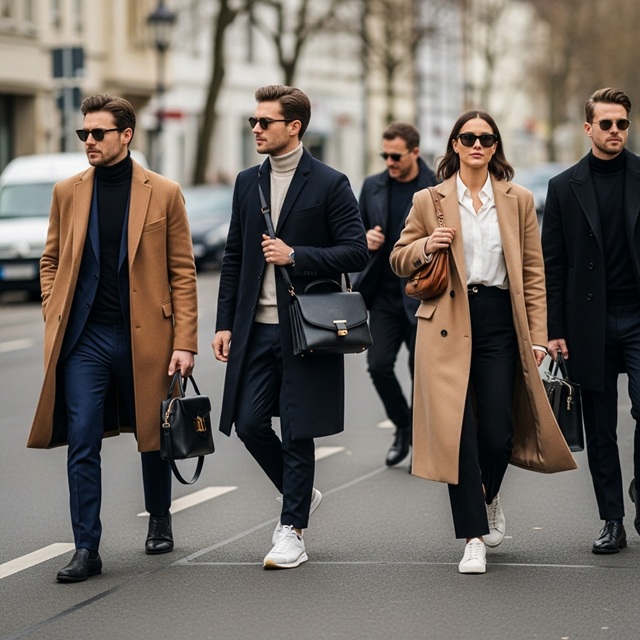
German street fashion reflects balance. On weekdays, you’ll see smart casual looks: fitted jeans, trench coats, leather boots, and minimalist accessories. Neutral colors like black, grey, and navy dominate.

On weekends, comfort takes over. Sneakers, denim jackets, and eco-bags are common. The goal is to look effortlessly put together.

Seasonal changes also influence fashion. Winters bring out high-quality coats, scarves, and durable footwear. Summers are more relaxed with airy fabrics, linen, and casual tees.


Fashion as a Reflection of Culture

German fashion goes beyond appearance—it’s tied to values like punctuality, sustainability, and respect for individuality. The country’s multicultural population has created a blend of European tradition and global influence.

African prints, Turkish patterns, and Asian-inspired streetwear are now part of Germany’s fashion vocabulary. The result is a diverse, inclusive, and forward-looking industry that encourages expression without judgment.


A Symbol of Love and Transformation

Fashion in Germany today stands as a symbol of love, equality, and unity. It represents how a country once scarred by division can transform itself into a model of inclusivity.

Through fashion, Germany shows that beauty lies in diversity and that identity can evolve without losing integrity. It’s a living reminder that clothing isn’t just fabric—it’s a message of who we are and what we believe in.


Related Articles


FAQs About Fashion Standards in Germany

1. What makes German fashion different from other European styles?
German fashion focuses on practicality and sustainability rather than luxury or excess. It’s clean, structured, and built to last.

2. Is Berlin the fashion capital of Germany?
Yes. Berlin leads with creativity and innovation, hosting several fashion weeks and sustainable fashion fairs.

3. Are German fashion brands popular internationally?
Absolutely. Brands like Hugo Boss, Jil Sander, and Adidas have strong global recognition.

4. How important is sustainability in German fashion?
It’s central. Many German brands follow strict eco-friendly production standards and emphasize transparency in their supply chains.

5. What do Germans typically wear for everyday life?
Most prefer comfortable, functional clothes in neutral tones, often from sustainable or local brands.

6. Does German fashion promote diversity and inclusion?
Yes. Modern designers are creating space for all races, genders, and body types, reflecting the nation’s growing inclusivity.


Summary
Germany’s fashion standard is not defined by luxury but by integrity, individuality, and unity. It’s a blend of function, freedom, and sustainability, symbolizing the country’s transformation from division to togetherness.

As the world watches, Germany continues to prove that true style is not about standing out—it’s about standing for something.

Eco-Fashion and Climate Transformation: From Pollution and Racism to Unity, Love, and Sustainable Style

0
Eco-Fashion and Climate Transformation

Eco-Fashion and Climate Transformation: Sustainable Style

Fashion has always reflected human emotions and social change. Today, as conversations around sustainability and inclusivity grow louder, eco-fashion stands at the center of a global transformation. It’s not just about fabrics or design anymore; it’s about reshaping how we see ourselves and how we live together on this planet.

This editorial explores how eco-fashion intertwines with climate action, social unity, and the deep desire for transformation—from division to togetherness.

The Connection Between Fashion and Climate Awareness

Fashion is one of the most expressive forms of human identity, yet it’s also among the most polluting industries in the world. From fast fashion waste to toxic dyes in waterways, the traditional fashion cycle contributes heavily to environmental degradation. Eco-fashion challenges this system.

Instead of promoting disposable trends, eco-fashion encourages long-term value—where every piece tells a story of care, ethics, and environmental respect. Brands are now designing with purpose: using organic fibers, recycled materials, and production methods that reduce water usage and carbon emissions.

This shift is not only a technical one but also a cultural one. People are beginning to see clothing as part of a larger ecosystem, not just a personal style statement.Eco-Fashion and Climate Transformation


From Racism to Unity: The Human Side of Eco-Fashion

The idea behind eco-fashion goes beyond saving the planet—it’s about saving humanity from itself. The fashion world has long struggled with representation and inclusivity. For years, runways and campaigns lacked diversity, reinforcing cultural divisions.

The new generation of designers is rewriting this narrative. Many are inspired by love and transformation, creating collections that honor every skin tone, body type, and heritage. These designers use fashion to celebrate togetherness, turning old wounds of racism and inequality into symbols of healing and pride.

This transformation mirrors the climate movement itself—global, inclusive, and centered on unity. We can’t solve the climate crisis without empathy, and fashion is one of the most powerful tools to express that empathy.Eco-Fashion and Climate Transformation


Sustainable Materials: The Fabric of Change

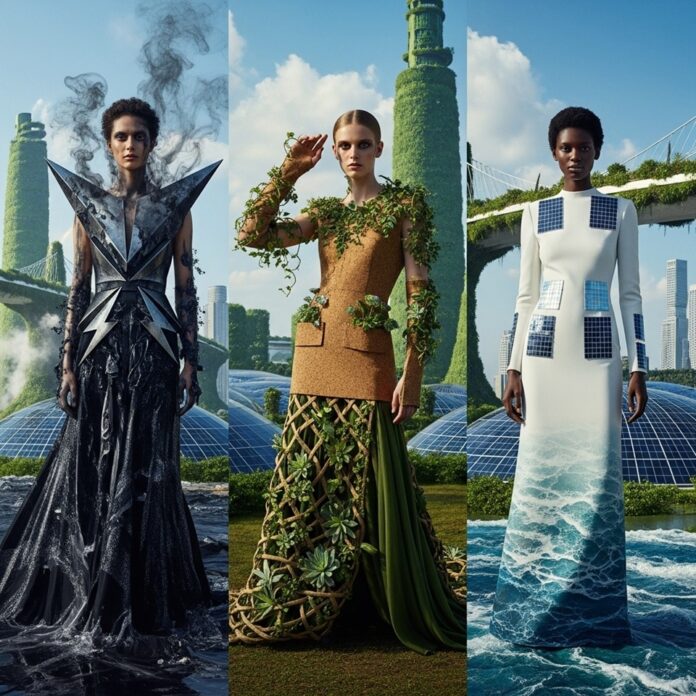
Eco-fashion starts with the material. Designers are now experimenting with everything from seaweed-based fibers to pineapple leather and bamboo silk. These innovations help reduce dependence on petroleum-based textiles and synthetic dyes.

A few examples of groundbreaking sustainable materials include:

  • Tencel (Lyocell): Made from eucalyptus pulp in a closed-loop system.

  • Piñatex: A leather alternative created from pineapple leaf fibers.

  • Hemp and Linen: Naturally biodegradable, durable, and low-impact.

  • Recycled Polyester (rPET): Made from discarded plastic bottles, reducing landfill waste.

  • Organic Cotton: Free from harmful pesticides and better for soil health.

The movement toward these fabrics is not only eco-friendly but also symbolic—a fabric of togetherness that connects human creativity with the natural world.Eco-Fashion and Climate Transformation


Fashion Activism and Climate Justice

Eco-fashion is deeply tied to climate justice. Many communities affected by pollution and exploitation in the fashion supply chain are from the Global South. By addressing sustainability, eco-fashion also shines a light on social inequality.

Designers from Africa, South America, and Asia are reclaiming their voices in the sustainability conversation. Brands like Studio 189 (Ghana) and SOKO Kenya are blending traditional craftsmanship with ethical production, proving that sustainable fashion can be beautiful, fair, and profitable.

This isn’t just about changing consumer habits—it’s about rewriting the rules of global trade and labor fairness.Eco-Fashion and Climate Transformation


The Power of Reuse and Upcycling

Eco-fashion isn’t always about buying new items. Sometimes, it’s about transforming what already exists. Upcycling and vintage revival are at the core of this mindset.

From reimagined denim jackets to patchwork dresses made from old kitenge fabrics, designers are turning discarded garments into modern art pieces. This creative process sends a strong message: transformation is possible—even from the unwanted or broken.

It’s a philosophy that mirrors how humanity can evolve from division to unity, from waste to renewal.


Inclusivity in Design and Production

Inclusivity is no longer optional in fashion. Consumers now expect brands to represent real people. Eco-fashion brands are taking this seriously by offering gender-neutral lines, adaptive clothing for people with disabilities, and diverse body representation in campaigns.

This inclusivity extends to production, too. Workers are being treated as partners rather than invisible laborers. Ethical certifications like Fair Trade, GOTS (Global Organic Textile Standard), and B-Corp are helping brands maintain transparency and accountability throughout their supply chains.


Cultural Rebirth Through Fashion

Eco-fashion also gives room for cultural rebirth. African prints, indigenous embroidery, and native weaving techniques are being revived in sustainable collections. Designers are blending ancestral knowledge with modern practices, creating a balance between tradition and innovation.

For example, Uganda’s growing eco-fashion scene features designers who use local cotton, recycled beads, and natural dyes derived from plants. These choices honor local resources while connecting fashion to climate consciousness.

Read more about this trend in Ladies Trending Fashion in Uganda and explore how local designers are shaping the sustainable movement.Eco-Fashion and Climate Transformation


Consumer Power and Conscious Choices

Consumers have more influence than they realize. Every purchase is a vote for the kind of world we want to live in. Choosing a sustainably made dress or locally crafted jewelry supports both the environment and the artisans behind it.

Even small actions—like repairing clothes instead of replacing them or donating unused garments—can have a big impact. Conscious fashion is a lifestyle, not a luxury. It’s about mindfulness and responsibility.

For practical guides on finding sustainable items, check platforms like Good On You or local initiatives promoting eco-friendly brands.


Challenges in the Eco-Fashion Movement

While eco-fashion is growing, challenges remain. Many sustainable materials are still expensive, making eco-friendly clothing less accessible to low-income buyers. Some brands also engage in “greenwashing,” where they market products as sustainable without real transparency.

To move forward, governments, consumers, and brands must collaborate to create systems that reward genuine sustainability and punish deceptive practices. Education is also key—teaching consumers how to spot real eco-fashion from fake claims.


Fashion as a Tool for Climate Transformation

The transformation from wasteful fashion to sustainable design represents something larger: humanity’s ability to change. Fashion can inspire people to care for the planet because it’s something everyone interacts with daily.

This editorial is about that journey—from the pain of inequality to the beauty of unity, from pollution to preservation, and from mindless consumption to meaningful creation.

Fashion is more than clothes; it’s a language of transformation. When guided by love and collective responsibility, it can turn even the most polluted story into one of hope.Eco-Fashion and Climate Transformation


Summary

Eco-fashion is more than a trend—it’s a cultural shift. It combines environmental awareness, ethical labor, and social inclusion into one powerful statement: we are all connected. Whether it’s through sustainable fabrics, diverse models, or upcycled designs, fashion is becoming a bridge between people and the planet.

The transformation we see in eco-fashion is a mirror of what humanity can achieve when love, empathy, and responsibility replace greed and division.


FAQs

1. What is eco-fashion?
Eco-fashion refers to clothing and accessories made using environmentally friendly materials and ethical production practices. It aims to reduce pollution, waste, and exploitation in the fashion industry.

2. Why is eco-fashion important for climate transformation?
The fashion industry contributes heavily to carbon emissions and waste. Eco-fashion helps reduce these impacts through sustainable materials, fair labor, and mindful consumption.

3. How can I identify a real eco-fashion brand?
Look for certifications like Fair Trade, GOTS, or B-Corp. Also, check for transparency about material sourcing, labor conditions, and production methods.

4. Is eco-fashion only for wealthy people?
Not necessarily. Thrift shopping, upcycling, and supporting local artisans are affordable ways to practice sustainable fashion. You don’t need to buy expensive brands to make a difference.

5. How does eco-fashion promote inclusivity?
It celebrates diversity in skin color, body shape, culture, and gender. Many sustainable brands now use inclusive designs and fair labor practices to support unity and equality.


Related Articles:

Futuristic Fashion Tech Showcase – Smart Fabrics, AI, and the Next Wave of Style

0
Futuristic Fashion Tech Showcase

The Rise of Futuristic Fashion Tech

Fashion and technology are no longer separate worlds. From 3D-printed dresses to AI-powered design assistants, the new era of fashion tech is reshaping how clothing is created, worn, and experienced. The Futuristic Fashion Tech Showcase brings together designers, engineers, and innovators exploring how technology can redefine beauty, comfort, and sustainability in clothing.

This movement is not about gadgets or gimmicks, but about practical, wearable innovation that transforms daily life — from what we wear on the runway to what we wear on a rainy commute.


Smart Fabrics and Wearable Innovation

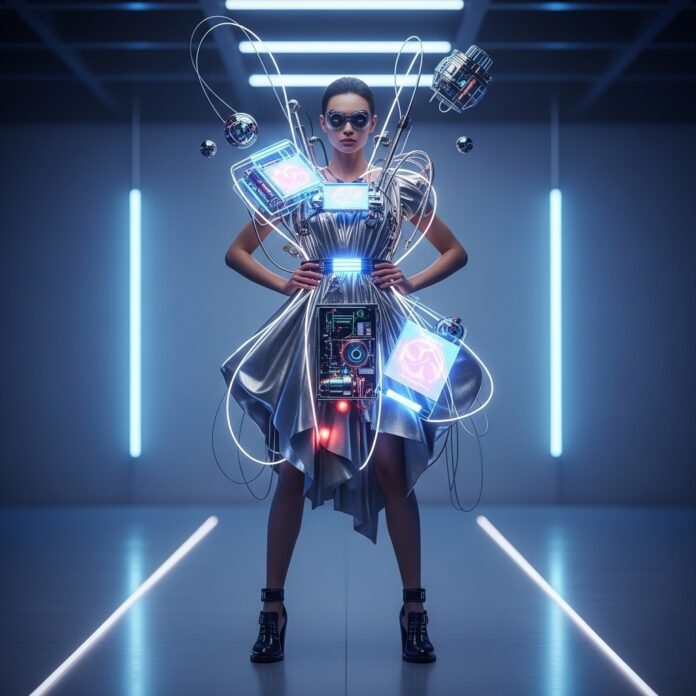
One of the most talked-about elements in futuristic fashion is smart fabric. These textiles do more than look good — they interact with your body and environment. Some fabrics change color based on temperature or mood, while others track your health metrics through embedded sensors.

Imagine a workout shirt that monitors your heart rate and sends alerts if your stress levels rise too high, or a jacket that charges your phone using solar panels woven into its fabric. These concepts, once science fiction, are now being tested in real-world fashion labs.

At the Futuristic Fashion Tech Showcase, brands like Cutecircuit and Loomia display clothing embedded with LEDs and touch-sensitive controls. The technology is subtle and comfortable, blending fashion design with functionality.Futuristic Fashion Tech Showcase


3D Printing: Customization Meets Creativity

Another major highlight is 3D-printed clothing. Designers are now able to produce entire garments using 3D printers, eliminating fabric waste and speeding up production. The results are stunning — sculptural dresses, intricate accessories, and even biodegradable shoes.

3D printing also means personalization on a whole new level. Your body measurements can be scanned and fed into a design program, creating a piece that fits you perfectly without multiple fittings. Some brands are experimenting with downloadable designs, letting users print their own fashion at home.

This technology doesn’t just save resources; it gives consumers creative control. The line between designer and wearer continues to blur, inviting more participation from fashion enthusiasts worldwide.Futuristic Fashion Tech Showcase


The Role of Artificial Intelligence in Fashion Design

AI is revolutionizing fashion behind the scenes. Through advanced data analytics, AI tools predict trends, suggest color palettes, and even create original designs. Many brands now use AI to understand customer preferences, helping them produce only what will sell — a key step toward sustainability.

AI-generated designs are also pushing creative boundaries. Designers use generative algorithms to produce patterns and silhouettes that would take humans much longer to conceive. It’s not about replacing creativity but amplifying it.

Fashion platforms such as The Fabricant and DRESSX use AI to design digital-only garments, which are sold as NFT wearables or showcased in virtual fashion shows. These digital outfits exist purely online but carry real value and artistry.


Augmented Reality and Virtual Runways

Fashion shows have always been visual spectacles, but technology is changing how audiences experience them. Augmented Reality (AR) and Virtual Reality (VR) are allowing designers to host immersive runway shows accessible from anywhere in the world.

Attendees at the Futuristic Fashion Tech Showcase can try on digital clothing using AR mirrors or VR headsets. These tools project virtual outfits onto your reflection in real-time, letting you “wear” designs that haven’t even been physically made yet.

This tech is not just fun — it reduces waste by minimizing sample production and shipping. Virtual fashion weeks have become a trend since the pandemic, merging creativity with sustainability. Brands like Balenciaga and Tommy Hilfiger have already experimented with VR-based collections.

For more on AR fashion experiences, check out our related piece on Virtual Clothing Trends.Futuristic Fashion Tech Showcase


Sustainable Fashion through Technology

Sustainability remains a core theme in futuristic fashion. New technologies are being used to tackle waste, pollution, and unethical production. Biofabrication, for instance, creates textiles from natural organisms such as algae, mushrooms, and bacteria.

This approach reduces dependency on synthetic fibers like polyester and eliminates harmful dyeing processes. Imagine clothing grown in labs instead of factories — soft, breathable, and biodegradable.

Blockchain technology is also entering the conversation. It helps trace the origin of garments, ensuring transparency in the supply chain. Buyers can scan a QR code to see where their clothes were made, by whom, and with what materials.


Fashion Meets Robotics

Robotics may sound like a stretch for fashion, but it’s already making waves. Designers like Anouk Wipprecht have created robotic dresses that respond to movement, light, or even human emotions. Her Spider Dress reacts defensively when someone invades the wearer’s personal space — a powerful mix of art, tech, and psychology.

Robots are also entering manufacturing floors, handling tasks like stitching, cutting, and packaging with precision. These innovations aim to reduce human labor strain while improving production efficiency and quality.

While some worry about automation replacing jobs, others see it as a chance for humans to focus on creativity while machines handle repetitive tasks.Futuristic Fashion Tech Showcase


Fashion in the Metaverse

The metaverse has opened new frontiers for digital fashion. Instead of owning physical clothes, users can now buy digital garments for their avatars in virtual spaces like Decentraland, Roblox, and Meta Horizon Worlds.

These virtual outfits often carry high fashion labels, blurring the line between real and digital identity. Gucci, Prada, and Nike have already entered this space, selling virtual sneakers and accessories that exist only online.

What’s fascinating is that digital fashion has almost zero environmental impact. There’s no fabric waste, no shipping, and no pollution. It’s a creative economy driven by imagination and code.

For an in-depth take on this, see our article on Metaverse Fashion.


The Role of Data and Personalization

One of the most powerful outcomes of fashion tech is personalization. Brands are collecting data to better understand consumer habits — what people like, dislike, and wear most often. Using that data, companies can suggest styles that suit individual preferences and body types.

Some stores are experimenting with smart fitting rooms that use cameras and sensors to analyze how clothes fit. The system then suggests the right size or alternative colors, creating a smoother shopping experience and reducing returns.

As more consumers demand ethical and personalized products, data-driven fashion helps brands deliver both efficiently.


Challenges in the Future of Fashion Tech

Despite the excitement, futuristic fashion faces real challenges. Cost remains a barrier, as smart fabrics and 3D printing technologies are still expensive to scale. Privacy is another concern — especially with wearable devices collecting health or biometric data.

There’s also the creative dilemma: how much technology is too much? Many argue that while innovation is exciting, it should never overshadow artistry and cultural expression.

Balancing innovation, sustainability, and emotion is the real test of futuristic fashion.


What to Expect in the Next Decade

Over the next ten years, fashion tech will likely merge even deeper with everyday life. We’ll see fabrics that self-clean, shoes that adapt to different terrains, and accessories that translate languages in real-time.

Retail will also evolve — expect virtual try-ons to become the norm, while 3D body scanning replaces traditional sizing charts. The goal is to make fashion more inclusive, efficient, and environmentally conscious.

The Futuristic Fashion Tech Showcase offers a glimpse into this world — one where creativity and technology move together, shaping how we express ourselves through clothing.Futuristic Fashion Tech Showcase


Summary

Fashion is no longer just about style. It’s about smart choices, digital experiences, and sustainable innovation. The fusion of technology and design is changing everything — how clothes are made, sold, and worn.

From AI-powered designs to AR runways, each breakthrough brings us closer to a more connected and responsible fashion industry. The Futuristic Fashion Tech Showcase proves that the future of fashion isn’t just near — it’s already here.


FAQs

1. What is the main goal of futuristic fashion tech?
The goal is to merge creativity with technology to make clothing more functional, sustainable, and personalized. It goes beyond looks to focus on innovation and user experience.

2. How is AI being used in fashion design?
AI analyzes consumer data, predicts trends, and even generates new clothing designs. It helps brands produce what customers actually want, reducing waste and boosting creativity.

3. What is 3D printing’s role in fashion?
3D printing allows designers to create customized garments with minimal waste. It’s used to make shoes, jewelry, and even entire dresses with precision and speed.

4. Are smart fabrics comfortable to wear?
Yes. Modern smart fabrics are designed to be breathable, flexible, and comfortable, often using lightweight sensors that don’t interfere with daily movement.

5. How does technology make fashion more sustainable?
Through innovations like biofabrication, AI-driven production, and blockchain transparency, technology reduces waste, pollution, and unethical labor practices.


Related Articles:

Avant-Garde Sleeves: Bold Fashion Innovation or Over-the-Top Style Disaster?

0
Avant-Garde Sleeves

What Makes Avant-Garde Sleeves So Special?

Avant-garde sleeves are more than just a fashion trend; they’re wearable art. Unlike regular sleeves that serve a functional role, avant-garde designs push boundaries with exaggerated shapes, bold materials, and unexpected structures. They stand out in runways, street fashion, and even on red carpets where self-expression takes center stage.

Designers use avant-garde sleeves to turn a simple outfit into something memorable. Think oversized puff sleeves, sculptural folds, or wing-like structures that completely change a garment’s silhouette. The appeal lies in their ability to merge creativity with craftsmanship, making the wearer part of the artistic story.


A Brief Look at Their History

While the term “avant-garde” often sounds modern, its roots go back to early 20th-century art movements. Fashion houses like Balenciaga, Alexander McQueen, and Comme des Garçons used this concept to challenge norms. The idea was not just to design clothes, but to create emotion through structure and design.

Sleeves became one of the best parts of the outfit to experiment with because they could transform balance and proportion. The puffed sleeves of the Victorian era and the strong shoulders of the 1980s were early examples of this dramatic flair. Today, these ideas are being reimagined through modern fabrics, 3D printing, and sustainable techniques.


Types of Avant-Garde Sleeves to Know

1. Sculptural Sleeves

These sleeves play with structure and volume. Designers often use stiff materials to create geometric shapes or architectural folds that hold their form. They’re perfect for editorial fashion shoots or special occasions where you want to make an impression.

2. Puff and Balloon Sleeves

This style has been revived from historical designs and exaggerated further. Oversized puff sleeves create drama and softness at the same time, balancing femininity with confidence.

3. Layered and Ruffled Sleeves

Layering fabric or adding cascading ruffles adds motion and fluidity. These designs often appear in couture collections and give a whimsical, romantic look that contrasts sharply with the modern minimalist trend.

4. Cut-Out or Asymmetrical Sleeves

Avant-garde fashion loves asymmetry. Sleeves with uneven cuts, single-shoulder designs, or exposed panels give a rebellious edge. They show how imperfection can be visually striking when done intentionally.

5. Tech-Enhanced and Futuristic Sleeves

With technology entering fashion, some designers now incorporate LED lights, transparent materials, and metallic fabrics into sleeve designs. These futuristic looks represent the growing mix of fashion and innovation.Avant-Garde Sleeves


Why Avant-Garde Sleeves Work in Modern Wardrobes

Even though they look bold, avant-garde sleeves can be surprisingly versatile. Pairing them with simple jeans or pencil skirts helps balance the volume. They’re especially popular for events, editorials, and fashion-forward workplaces that encourage individuality.

The secret is styling around them. Since the sleeves are already dramatic, it’s better to keep the rest of your outfit minimal. A clean silhouette, subtle accessories, and neutral colors let the sleeves stand out as the main focus.

This balance between boldness and simplicity is what makes avant-garde fashion wearable in everyday life.


How Designers Are Reinventing Sleeve Artistry

Top designers are constantly redefining avant-garde fashion. For instance:

  • Iris van Herpen integrates 3D printing and fluid motion into her sleeve designs, creating looks that seem alive.

  • Rick Owens uses exaggerated shoulder and sleeve proportions to reshape the human silhouette.

  • Balenciaga often merges streetwear with avant-garde sleeve shapes, blending accessibility with high fashion.

Even emerging African and Asian designers are using avant-garde sleeves to showcase local textiles in futuristic ways. This mix of traditional and experimental design is reshaping what “high fashion” looks like globally.


Styling Tips for Wearing Avant-Garde Sleeves

1. Keep the Focus Up Top

Avoid pairing dramatic sleeves with bulky bottoms. Opt for sleek trousers or pencil skirts to highlight the upper silhouette.

2. Choose Neutral Colors

If you’re new to avant-garde styles, start with neutral tones like black, white, or beige. They make bold sleeve structures look sophisticated rather than overwhelming.

3. Mind the Proportions

Balance is key. Oversized sleeves pair best with fitted bodices or high-waist designs to avoid looking shapeless.

4. Limit Accessories

Let your sleeves do the talking. Large jewelry or statement bags can compete with the design, so choose simple, elegant pieces instead.

5. Experiment with Textures

Mix soft fabrics like silk with structural materials like neoprene or organza. This contrast adds depth and visual interest without going overboard.


The Role of Sustainability in Avant-Garde Sleeve Design

Sustainability is increasingly shaping avant-garde fashion. Designers are finding creative ways to reuse materials, minimize waste, and integrate eco-friendly fabrics without losing their artistic edge.

Recyclable synthetics, biodegradable fabrics, and even ocean waste materials are being used to build sculptural sleeves that make a statement for both style and the planet.

This aligns with the larger clean fashion movement, which promotes creativity that doesn’t compromise environmental ethics. Avant-garde sleeves have become a symbol of that balance between innovation and responsibility.

For more ideas on how sustainable design influences modern wear, explore Futuristic Weird Dress Sustainable Fashion Invention, which explores this growing intersection of art and eco-fashion.


Celebrities and Icons Who Popularized the Look

Celebrities often bring avant-garde sleeves to the spotlight. Think of:

  • Lady Gaga, known for her structured and theatrical silhouettes.

  • Rihanna who mixes avant-garde sleeves with streetwear for a powerful blend.

  • Zendaya, whose red carpet appearances often feature architectural sleeve designs.

Their influence helps avant-garde designs move from runway to real-life fashion conversations.


How to Pull Off the Look Confidently

Wearing avant-garde sleeves isn’t about following a strict rulebook. It’s about attitude. These designs are meant to express creativity, so confidence is your best accessory.

Start small if you’re hesitant. Try blouses with slight puff sleeves or asymmetrical cuts before moving to bolder designs. Once you get comfortable, you can explore more dramatic versions for special events or photo shoots.Avant-Garde Sleeves


Common Mistakes to Avoid

  • Over-accessorizing: Too many extras distract from the garment’s structure.

  • Ignoring fit: Even avant-garde fashion should complement your body type.

  • Forgetting comfort: A beautiful design loses value if it’s too stiff to move in.

  • Wearing competing patterns: Keep other clothing simple to maintain focus on the sleeves.


The Future of Avant-Garde Sleeves

The evolution of avant-garde sleeves is far from over. With AI design tools, smart fabrics, and digital fashion shows, designers are finding new ways to experiment with structure and texture.

As fashion becomes more inclusive, expect to see avant-garde designs tailored to different body types and cultures, making artful dressing more accessible and diverse.


Summary

Avant-garde sleeves celebrate creativity, rebellion, and individuality. They represent how fashion keeps reinventing itself by blending art, technology, and sustainability. Whether you’re dressing for an event or exploring personal style, these sleeves offer a way to stand out without saying a word.

For related topics on modern style innovation, visit Trending Fashion News for more on wearable art, futuristic fabrics, and global trends reshaping how we dress.


FAQs

1. What defines avant-garde fashion?
Avant-garde fashion challenges traditional design rules. It focuses on creativity, unusual materials, and exaggerated shapes that make fashion feel like art.

2. Are avant-garde sleeves practical for everyday wear?
Some are. Simpler versions with soft puff sleeves or structured cuffs can be styled for daily outfits, while larger sculptural designs are best for events or editorials.

3. Can avant-garde sleeves be worn in warm climates?
Yes, designers often use lightweight materials like organza or mesh to create breathable avant-garde sleeves suited for tropical weather.

4. How can I make avant-garde fashion sustainable?
Look for brands that use eco-friendly fabrics, upcycled materials, or ethical production methods. These ensure style without harming the environment.

5. What body types suit avant-garde sleeves?
Everyone can wear them. The trick is choosing the right balance—voluminous sleeves can flatter narrow shoulders, while fitted designs suit broader frames.

Futuristic Sleeve Fashion: Bold Innovation or Overdone Hype in Modern Style Trends

0
Futuristic Sleeve Fashion

The Rise of Futuristic Sleeve Fashion in Modern Fashion

Sleeves have always been more than a way to cover the arms. From puffed Victorian sleeves to minimalist silhouettes, they’ve mirrored shifts in culture, art, and identity. But in the past few years, sleeves have gone through an exciting transformation. Designers are reimagining them with technology, sustainability, and bold structure, creating what many call “futuristic sleeves.”

These designs push the boundaries of what we consider wearable. They merge fabric innovation with artistic storytelling—turning sleeves into architectural statements rather than simple garment components.


What Defines a “Futuristic Sleeve”?

A futuristic sleeve isn’t just about being dramatic or oversized. It’s defined by its innovation—either through materials, structure, or concept. For example:

  • Tech-Infused Sleeves: Some designers integrate LED fibers or heat-sensitive textiles that change color depending on temperature or mood.

  • 3D-Printed Structures: Using advanced printing technology, designers can create sculptural sleeves that hold shape without traditional stitching or padding.

  • Sustainable Textures: Recycled nylon, plant-based leather, and ocean plastics are being repurposed into sleek, flexible sleeves with a modern edge.

  • Asymmetrical or Transformable Cuts: Sleeves that zip, fold, or detach are now a creative form of self-expression.

These pieces are not just futuristic—they’re functional art.Futuristic Sleeve Fashion


Materials Powering the Future

The new generation of sleeves reflects the evolution of textile technology. Brands are experimenting with smart fabrics that respond to the environment or enhance comfort.

  • Graphene-Infused Textiles: Known for conductivity and flexibility, graphene is used to regulate temperature while maintaining lightness.

  • Memory Alloys: Incorporated into cuffs or seams, these allow the sleeve to reshape itself after folding or compression.

  • Biodegradable Polymers: Perfect for designers focused on circular fashion, ensuring that futuristic doesn’t mean wasteful.

This fusion of technology and eco-conscious design is what sets futuristic sleeves apart from traditional trends.Futuristic Sleeve Fashion


Sculptural Design Takes Over

In fashion shows from Paris to Tokyo, one thing has stood out—the bold, structured sleeve. Think exaggerated volumes, architectural shapes, and dynamic layering.

Designers like Iris van Herpen and Balmain have showcased sleeves that resemble wings or metallic petals, giving garments a sense of motion and otherworldly energy. The silhouettes are dramatic yet wearable, striking a balance between art and utility.

These designs remind us that fashion is moving toward an era where form challenges function in the most creative ways.


Minimalism Meets Futurism

Not all futuristic sleeves scream for attention. Many designers are opting for minimal futuristic detailing. For instance, a sleek monochrome blazer with extended, fold-over sleeves or hidden zippers feels both modern and timeless.

The trend celebrates restraint. The focus is on precision cutting, fluid fabrics, and intelligent tailoring. It’s a reminder that “futuristic” doesn’t always mean loud—it can also mean refined innovation.


The Influence of Technology and AI Design

Artificial Intelligence is playing a huge role in shaping the future of sleeve fashion. AI tools analyze trends, predict consumer preferences, and even assist in 3D garment modeling.

For instance, brands now use AI pattern generators to test sleeve shapes before production, saving both time and material waste. Virtual fashion shows allow designers to experiment with sleeve proportions digitally before crafting the final product.

This digital-first approach has made futuristic sleeve fashion more accessible for independent creators who don’t have traditional manufacturing budgets.Futuristic Sleeve Fashion


Streetwear and Futuristic Sleeves

Streetwear has embraced futuristic sleeves in surprising ways. Think utility jackets with magnetic cuffs, layered mesh pullovers, and detachable tech pockets. The look is edgy but practical, merging everyday wear with a sense of experimentation.

Brands like Off-White, Rick Owens, and local African designers are blending cultural aesthetics with futuristic tailoring. This fusion keeps the trend grounded and wearable while pushing design limits.

For example, some Ugandan designers showcased at Kampala Fashion Week have introduced solar-reactive fabrics and adjustable arm wraps inspired by local craftsmanship. These designs tell a story of innovation rooted in culture—a perfect mix of heritage and future.


Genderless Fashion and the New Sleeve Identity

Futuristic sleeves also play a key role in the movement toward genderless fashion. Traditional fashion often associated puffy or flowing sleeves with femininity. But now, designers are creating sleeves that defy gender norms—bold yet neutral, soft yet strong.

This shift mirrors how fashion is becoming a form of identity expression rather than category-based dressing. The futuristic sleeve, in this sense, becomes a canvas for individuality.


How to Style Futuristic Sleeves

Styling futuristic sleeves requires balance. The sleeve is usually the focal point, so it’s best to pair it with simple pieces that allow the design to shine. Here are a few practical tips:

  • Pair dramatic sleeves with sleek bottoms, like tailored pants or pencil skirts.

  • Avoid bulky outerwear, as it may distort the sleeve’s shape.

  • Opt for neutral colors (white, black, silver, or metallic tones) to emphasize the design details.

  • Accessorize minimally—let the sleeves be the main statement.

  • Choose futuristic textures, like vinyl or mesh, for layering.

For more inspiration, check out Ladies Trending Fashion in Uganda to see how African designers are integrating futuristic styles into everyday wear.Futuristic Sleeve Fashion


Sustainability and Ethics in Sleeve Innovation

One of the most exciting aspects of futuristic sleeve fashion is its alignment with sustainability. Many upcoming designers are proving that fashion can look futuristic without harming the planet.

Instead of synthetic materials, they use recycled textiles and biodegradable alternatives. Digital design tools also reduce fabric waste during sampling. Even the futuristic metallic finishes seen in some collections are now being created with non-toxic dyes and coatings.

This eco-forward direction ensures that innovation doesn’t come at the planet’s expense.


How the Runway Inspires Real-Life Trends

Runway fashion often seems distant from what people wear daily, but futuristic sleeves are finding practical expression in ready-to-wear lines. You’ll see them in:

  • Office wear: Structured blazers with angular sleeves.

  • Evening wear: Metallic, balloon-style sleeves with a sculpted touch.

  • Casual wear: Simple tops with zip-off or reversible sleeve panels.

Retailers are adapting the trend for comfort and affordability. You can find futuristic sleeve designs on major e-commerce platforms and even local Ugandan boutiques experimenting with their own twists.


The Future Ahead

Sleeve design is becoming a statement of where fashion is heading—toward innovation, inclusivity, and sustainability. What once seemed experimental is now a creative playground for both high-end and streetwear designers.

As materials continue to evolve, and AI continues to influence design, we can expect sleeves that respond to movement, temperature, or even emotion. The future of sleeve fashion is not just visual—it’s interactive.

For deeper insights on other futuristic trends, visit trendingfashionnews.com to explore new editorials on sustainable and tech-driven fashion.Futuristic Sleeve Fashion


FAQs About Futuristic Sleeve Fashion

1. What makes a sleeve “futuristic”?
It usually combines innovation in design, material, or structure—like smart textiles, exaggerated shapes, or sustainable fabric blends.

2. Are futuristic sleeves wearable for everyday occasions?
Yes. Many ready-to-wear versions tone down the structure, making them comfortable and stylish for work or casual outings.

3. Is this trend sustainable?
Most designers in this niche prioritize eco-friendly production, recycled materials, and waste-free digital design methods.

4. Can men wear futuristic sleeve styles?
Absolutely. The trend has moved beyond gender labels, with many designers offering neutral or unisex options.

5. How can I incorporate futuristic sleeves into my wardrobe?
Start with subtle elements like jackets with unique cuffs or detachable sleeves before trying more sculptural pieces.


Final Thoughts

Futuristic sleeve fashion represents the intersection of creativity, technology, and sustainability. It’s proof that clothing can be both expressive and responsible. Whether you’re drawn to bold architectural designs or minimalist futuristic tailoring, there’s a version of this trend that fits every style personality.

Fashion’s future isn’t just about what we wear—it’s about how we reimagine it.


 Ladies Trending Fashion in Uganda
 Vogue Runway – Futuristic Fashion Trends

Germany Fashion Trends 2025: Fast Fashion Fades Amid Bold Streetwear & Heritage Revival

0
Germany Fashion Trends 2025

Germany Fashion Trends 2025: What’s Shaping German Fashion Right Now

Germany’s fashion scene is in flux. Some corners stick to heritage, others push boundaries, and sustainability is no longer optional. If you want a look at what’s likely to turn heads next, these trends are worth your attention.


The Rise of Sustainable Craft

One thread running through many German collections is an insistence on ethical materials and longevity. Designers are choosing wool, organic cotton, recycled fabrics, and low-waste production methods.

At the Berlin Curated group show, a new wave of designers emphasized hand techniques, upcycled textiles, and slow-production values. Vogue
Brands no longer treat sustainability as an afterthought — it’s woven into design, cuts, and even business models.

If you’re a retailer or brand planning for this market, you’ll want to lean into local sourcing, transparent supply chains, and garments that can endure.


Streetwear That Speaks

Berlin, especially, remains a crucible for youth style. Labels such as 032c, GmbH, and Adidas Originals continue to define urban aesthetics: oversized silhouettes, bold logos, bomber jackets, and heavy sneakers. Trending Fashion News

Streetwear in Germany now often mixes gender fluidity, vintage elements, and tech touches. For example: you might see a cropped bomber jacket over a fluid midi skirt — something that’s not strictly menswear or womenswear but expressive.

That freedom to mix genres is one of the more interesting shifts. It’s not about wearing the logo, it’s about showing identity.


Modern Twists on German Classics

Germany has traditions (Dirndls, Tracht, alpine motifs), and designers are reinterpreting them. In 2025, Dirndl trends lean toward clearer cuts, muted tones, fewer embellishments, and higher-quality fabrics. DIE WELT

You’ll see shorter skirts, more structured bodices, and even cross-cultural fusion — African print fabrics in Bodensee-style Dirndls, for instance. DIE WELT+1

For winter lines, houndstooth, jacquard, and tonal black-and-white pieces are getting attention in Germany’s high-end womenswear. DACH Travel+1

So, if your audience appreciates heritage style with fresh direction, this is fertile ground.


Bold Colors, Patterns, and Contrasts

It’s not all muted or neutral. Jewel tones (emerald, sapphire, deep plum), along with electric greens, are showing up in Germany’s seasonal offerings. Accio

Pattern mixing is also more daring — checks, plaids, and even digital prints are layered together. Some designers pair preppy tartans with streetwear elements. Accio

If your brand can handle well-calibrated contrasts (not too chaotic, not too safe), that kind of visual tension is appealing in German youth and fashion-forward circles.


Gender Fluidity & Playful Identity

Germany continues to be an important stage for non-binary, gender-neutral fashion. Models like Felix Nieder push boundaries of what men’s and wear can be. Wikipedia

Clothing lines are less about strict categories now. You’ll find tank tops worn over trousers of traditionally masculine cuts, or jacket styles shared across bodies.

To tap this trend, think more modular pieces (detachables, reversible fabrics) rather than rigid wardrobes.


Local Design, New Voices

The prestige gap between German fashion and the usual “big four” markets (Paris, Milan, New York, London) is narrowing. Berlin Fashion Week is growing in influence, hosting designers who mix aesthetics and politics. The Guardian+2Wikipedia+2

Emerging designers from lesser-known fashion schools are being spotlighted in shows focused on craft and sustainability. Vogue

If you’re scouting collaborators or looking to feature under-the-radar labels, Germany offers an exciting incubator.


How These Trends Back Home

You may wonder: how do Germany’s trends influence global fashion?

  • They help legitimize sustainable practices in mainstream fashion.

  • They validate risk-taking in streetwear and gender expression.

  • They push heritage fashion (like Dirndls) into new creative zones, showing that tradition isn’t necessarily conservative.

So even if you’re operating in a different market, following what happens in Berlin, Munich, or Cologne can give you early signals of shifts in consumer tastes.


Summary

Germany’s fashion scene in 2025 is showing three overlapping currents: sustainability and craft, boundary-crossing streetwear, and reinterpreted heritage. Color and pattern are bolder, gender categories are loosening, and young designers are getting more room to experiment.

If you want to work in or with the German market — as a brand, retailer, or content curator — your edge will lie in authenticity, attention to materials, and embracing expressive freedom.


FAQs

Q: Is sustainable or eco-fashion really mainstream in Germany now?
A: It’s not universal, but it’s far more accepted than before. Many consumers (especially younger ones) expect transparency about fabrics and production. The fashion industry itself is adjusting because green credentials matter more.

Q: Does that mean German consumers avoid fast fashion completely?
A: Not completely. Budget fashion still has its place. But mid- and higher-tier brands are being pressured to show value not just through price but through durability, ethics, and meaning.

Q: Are Dirndls or Tracht really relevant outside Bavaria?
A: They are niche, but their reinterpretations are spreading. You’ll see alpine-inspired motifs in non-traditional places. And during seasons like Oktoberfest, even cities far from Bavaria get into Tracht fashion.

Q: How risky is it to launch gender-neutral or fluid collections in Germany?
A: There is risk in every bold move, but there’s also reward. Germany has an audience that is more open to nonbinary expression than many other countries. But your execution still needs coherence and quality.

Q: Which German fashion event should I follow?
A: Berlin Fashion Week (held twice a year) is the most visible. Wikipedia. Also keep an eye on curated group shows like Berlin Curated (which highlight emerging designers), Vogue, and the growing momentum of the Fashion Council Germany.

Q: Can a non-German brand adopt these trends, or is it too local?
A: Many of these trends—sustainable fabrics, mixed styles, gender fluidity—are global. What Germany adds is a lens of precision, layering, and cultural heritage. If you adapt carefully (not copy), you can localize them to your audience.

Top 10 Fashion Designers in Nigeria (2025): Icons Redefining African Style

0
Top 10 Fashion Designers in Nigeria

Top 10 Fashion Designers in Nigeria: The Growth of Nigerian Fashion

Nigeria’s fashion industry has grown into one of the most vibrant and influential in Africa. From Lagos to Abuja, designers are merging traditional fabrics with modern aesthetics, setting trends across runways and red carpets. Their designs not only celebrate African heritage but also compete internationally with big fashion brands.

Below are the top 10 Nigerian fashion designers who have transformed the industry with innovation, craftsmanship, and global recognition.


1. Deola Sagoe

Deola Sagoe is one of Nigeria’s most respected fashion icons. Known for her elegant, African-inspired haute couture, Deola has been at the forefront of fashion for over two decades. Her designs combine rich fabrics like Aso Oke with modern cuts, creating timeless pieces worn by celebrities and high-profile clients worldwide.

She made history as the first black woman to showcase at the New York Fashion Week and has since inspired a new generation of designers.


2. Lisa Folawiyo

Lisa Folawiyo, founder of the brand Jewel by Lisa, is celebrated for her detailed beadwork and bold use of Ankara fabrics. She transforms traditional prints into high-end pieces that appeal to both African and international markets.

Her label has been featured in global fashion magazines such as Vogue and Elle, and her collections have been displayed in fashion capitals like Paris and Milan. Lisa is proof that Nigerian creativity has no boundaries.


3. Mai Atafo

Mai Atafo is known for redefining men’s fashion in Nigeria. His brand, Mai Atafo Inspired, specializes in bespoke suits, bridal wear, and formal clothing. He has dressed top Nigerian celebrities like Banky W, Ebuka Obi-Uchendu, and Richard Mofe-Damijo.

Mai’s attention to detail and his mastery of classic tailoring make his work stand out. Beyond fashion, he’s also an advocate for professionalism in the creative industry, mentoring upcoming designers.


4. Folake Folarin-Coker

Folake Folarin-Coker is the creative mind behind Tiffany Amber, a luxury fashion brand that has gained international recognition for its graceful and feminine designs.

She made waves as the first African designer to showcase twice at the New York Fashion Week. Her collections draw inspiration from African culture, blending it with modern sophistication. Tiffany Amber’s pieces are worn by women who appreciate class, color, and confidence.


5. Lanre Da Silva Ajayi

Lanre Da Silva Ajayi is known for her vintage-inspired pieces that reflect elegance and creativity. Her brand, LDA, uses lace, brocade, and silk to produce garments that exude royalty and poise.

She’s one of the few Nigerian designers with a strong presence in both African and international fashion scenes. Her works have been showcased in London, New York, and South Africa, gaining her global recognition.


6. Zizi Cardow

Zizi Cardow is a pioneer of contemporary African fashion. Her brand promotes the use of Ankara and other African prints in high fashion, encouraging Nigerians to embrace their culture proudly.

Her designs have graced international runways and earned her multiple awards, including the Best Designer of the Year in Nigeria. Zizi’s dedication to cultural representation continues to inspire new designers across Africa.


7. Yomi Casual

Yomi Casual (Omoniyi Makun) has become a household name for stylish, ready-to-wear male outfits. His designs are bold, urban, and tailored for modern African men who want to look sharp yet comfortable.

Celebrities and musicians across Africa, such as Don Jazzy and AY, frequently wear his pieces. His ability to mix African patterns with global trends has made Yomi a favorite among young professionals.


8. Toju Foyeh

Toju Foyeh is a rising star known for her glamorous red-carpet dresses and bridal designs. Her attention to detail and love for luxury fabrics give her work a unique identity.

She became widely known after designing Tiwa Savage’s wedding gown, which turned heads across the continent. Toju’s work combines creativity and elegance, appealing to women who love bold yet feminine looks.


9. Frank Oshodi

Frank Oshodi is one of Nigeria’s most experienced fashion designers. He gained fame for styling Agbani Darego, the first African to win Miss World, in 2001. His brand, House of Bunor Creazioni, specializes in bridal and traditional wear.

Oshodi’s work highlights the beauty of Nigerian culture through detailed craftsmanship, making him one of the pioneers of modern African fashion.


10. Andrea Iyamah

Andrea Iyamah’s designs are bold, youthful, and globally appealing. Her brand, Andrea Iyamah, is known for swimwear, ready-to-wear, and bridal collections that fuse African heritage with contemporary fashion.

She has captured international attention, with celebrities like Michelle Obama and Gabrielle Union wearing her pieces. Her use of vibrant colors and structured designs refreshingly celebrates African femininity.


The Influence of Nigerian Fashion Globally

Nigerian designers are not just making clothes; they are shaping identity. Their influence extends to music, film, and culture. Afrobeats stars often wear Nigerian-made outfits during performances, helping to showcase local talent on international stages.

Events like Lagos Fashion Week and GTCO Fashion Weekend have become platforms for showcasing creativity, connecting designers to buyers, and positioning Nigeria as Africa’s fashion hub.


Challenges in the Nigerian Fashion Industry

Despite its success, the industry faces several challenges. Inconsistent power supply, high production costs, and limited access to funding make it hard for some designers to scale. There’s also a shortage of skilled artisans for fabric production and finishing.

However, many designers are overcoming these obstacles through collaborations, online sales, and global exposure on platforms like Instagram and TikTok.


How Nigerian Designers Are Changing the Narrative

What stands out about Nigerian fashion is its authenticity. Designers are not copying Western trends; they are setting their own. Through creative storytelling, cultural pride, and sustainable practices, they are changing how African fashion is perceived globally.

Their designs tell stories of heritage, innovation, and identity, giving new meaning to “Made in Nigeria.”


Summary

Nigeria’s fashion designers have proven that creativity, culture, and consistency can place Africa at the center of the global fashion conversation. Each of these top 10 designers contributes something unique—from Deola Sagoe’s timeless elegance to Andrea Iyamah’s modern boldness.

The future looks bright for Nigerian fashion, as designers continue to inspire the next generation and showcase African excellence to the world.


Faqs

1. Who is the most famous fashion designer in Nigeria?

Deola Sagoe and Mai Atafo are among the most recognized designers in Nigeria, known for their exceptional craftsmanship and international appeal.

2. What fabrics do Nigerian designers commonly use?

Designers often use Ankara, Aso Oke, lace, and brocade fabrics, blending traditional materials with modern designs.

3. Which Nigerian designer is best known for bridal wear?

Mai Atafo and Toju Foyeh are widely known for creating stunning bridal and red-carpet gowns.

4. Are Nigerian designers recognized internationally?

Yes. Many have showcased their work in global fashion weeks, including New York, Paris, and London, and have been featured in major fashion magazines.

5. How can I buy from Nigerian fashion designers?

Most designers have websites and social media pages where you can order directly. Some are also featured on international platforms like Farfetch and Vogue Runway.

Spring 2026 Mens Fashion Trends: Bold New Looks or Risky Style Shifts?

0
Spring 2026 Mens Fashion Trends

Spring 2026 Mens Fashion Trends: What’s shifting

Spring 2026 menswear isn’t just incremental — it leans into contrasts: relaxed vs structured, nostalgia vs invention, expressive vs wearable. Several themes emerged on the runways and in trend reports. FashionUnited+3Vogue+3Style Arcade+3

Here are the big ones:


Key pieces you should try in your spring wardrobe

Here’s how some of those trend ideas translate to real garments you might wear.

Short shorts & bold bottoms

Yes, the short shorts are coming back. Spring 2026 collections pushed very short lengths — boxer-style or biker-short inspired — in tailored or lightweight fabrics. FashionUnited+2FACES Magazin+2
If that’s too daring, try mid-thigh Bermudas in linen or cotton blends.

Boxy shirts & open collars

Expect bold collar shapes (camp collar, wide lapel) and boxy fits. Shirts will act as layering bases or statement pieces. FashionUnited+2Style Arcade+2

Relaxed suiting

The suit isn’t dead — it’s just softer. Drop-shoulder jackets, looser trousers, and unstructured tailoring will be popular. FashionUnited+2Vogue+2

Boho & artisanal touches

Think knit vests, hand-dyed fabrics, light layering, and natural fibers like linen, cotton blends. These help bring in personality without being over the top. FACES Magazin+2The Impression+2

Utility/tech hybrids

Pieces that mix casual and functional: cargo pants with clean lines, jackets with hidden pockets, fabrics that look sharp but perform better. Vogue Business+2Style Arcade+2

Focused neck & accessory detail

Neck accessories are back — ties, scarves, even removable collars. These add character to simpler outfits. FashionUnited+3Style Arcade+3VMAN SEA+3

Color & textures

Rather than bold neons, expect more nuanced color stories: olive greens, rusts, muted oranges, warm tans. Textures like slubby knits, washed cotton, and linen blends will show more. Vogue Business+2FashionUnited+2


How to mix trends with your own style

The trends above are signals, not rules. Here’s how to bring them into your wardrobe without feeling like you’re wearing a costume.

  1. Start small with signature pieces
    For example, try a short-length Bermudas or relaxed suit trousers before going full micro-shorts. Add one neck accessory before overhauling your whole wardrobe.

  2. Blend old and new
    If you already have classic pieces (jeans, basic tees, leather jackets), integrate new items like a boxy shirt or utility jacket on top.

  3. Stick to a color story
    Choose 2–3 core colors (neutrals, earth tones) and let trend pieces act as accents. That helps keep things wearable.

  4. Play with layering, but with control
    Trend shows extreme layering (double collars, over-under pants) GQ+1. In everyday life, you might layer a knit vest over a shirt, or wear an over-shirt under a blazer.

  5. Let textures do the talking
    If you keep the silhouette simple, textures like washed linen, pin-stripes, matelassé or irregular weaves can carry visual interest.

  6. Balance bold with neutral
    If you try a standout piece (say, a short-short or bold necktie), keep the rest of your outfit grounded.Spring 2026 Mens Fashion Trends


What this means across regions (e.g., for Kampala / tropical climates)

Some of these trends are easier in moderate climates; tropical or equatorial zones require adaptation.

  • Lean toward lightweight fabrics — linen blends, cotton poplin, light weaves.

  • For short shorts or Bermudas, make sure they’re not just stylish, but comfortable. A 5–7 inch inseam can offer a compromise.

  • Use breathable layering — open shirts, mesh knits, vests instead of heavy jackets.

  • Colors and prints can shine here — you can carry earth tones or washed hues without tonal clashes.

  • Accessories (scarves, neck pieces) can be lighter (silk, voile) so they don’t feel heavy in heat.


Examples from the runways & style references

  • GQ noted “advanced layering” as a key repeating pattern across shows. GQ

  • FashionUnited flagged “outdoor jacket, short shorts, boxy shirt, suit jacket” as timeless pillars with fresh reinterpretation. FashionUnited

  • StyleArcade emphasized 80s-inspired tailoring, set-dressing (matching sets), and neckwear revival. Style Arcade

  • FacesMag’s “top 13 menswear trends” called out polished boho, oversized Bermudas, and loose fits as central to SS26. FACES Magazin

You can also browse collections on Vogue’s Spring 2026 Menswear page for visuals and designer context. Vogue


How to build a 2026 spring capsule (6–8 core pieces)

Piece Why it matters Suggested style
Boxy short-sleeve shirt It’s the base for layering Subtle print or neutral shade
Mid-length Bermudas Trendy yet wearable Cotton-linen blend, 7-inch inseam
Relaxed suit jacket For smart looks Soft shoulder, lightweight material
Relaxed trousers Matches jacket or pairs with basics Slight taper, breathable fabric
Utility/tech jacket Adds practicality Hidden pockets, clean silhouette
Lightweight knit vest or waistcoat For visual layering Neutral color or subtle pattern
Neck accessory Adds punch to a simple outfit Thin tie, scarf, removable collar
Textured tee or overshirt Acts as a buffer in layering Slub cotton, washed linen

Start your week by doing combinations — jacket over vest, shirt + short + textured tee — and pick the ones that feel natural.Spring 2026 Mens Fashion Trends


Summary

Spring 2026 menswear is giving us room to explore: bold layering, shorter bottoms, tailoring with ease, and artisanal touches. The trends emphasize personality, not conformity. You don’t have to adopt every idea — pick what suits you, ease into changes, and keep the color/texture harmony.

If you’re wondering how to begin, try one standout piece this season (shorts, neckwear, or relaxed suit) and build around it.


FAQs

Q1: Are micro shorts realistic for everyday wear?
Yes — but with caution. If full micro lengths feel too bold, start with Bermudas or shorts that end mid-thigh. Choose fabrics and cuts that blend ease and elegance.

Q2: How do I layer without overheating?
Use breathable fabrics (linen blends, slub cotton). Opt for open shirts, vests, light over-shirts rather than heavy jackets. Use layering in smaller doses — overlap for style, not bulk.

Q3: What kind of shoe pairs well with these trends?
Depending on how bold you want to go: loafers, minimal sneakers, slide sandals (even flip-flops made a cameo in some runways) Vogue+1. Keep colors neutral if your outfit is busy.

Q4: How bold should I go with color or print?
Balance is your friend. If your outfit is neutral or earth-toned, a modest print or a brighter scarf/neck accessory can lift it. If you’re already in color, keep one piece muted to avoid a clash.

Q5: Will these trends last beyond spring 2026?
Some will fade, others evolve. Trends like relaxed tailoring, earthy palettes, and artisanal textures tend to have staying power. Use them as inspiration rather than strict rules.

Paris Mens Fashion Week 2026: Star Power & Style Buzz

0
Paris Mens Fashion Week 2026

Paris Mens Fashion Week 2026: The Stars, The Style, and the Buzz Everyone’s Talking About

Paris is once again the center of the fashion world, and this season’s men’s wear shows have already turned the city into a runway of its own. Celebrities, designers, influencers, and editors have filled the streets with a mix of classic tailoring, bold streetwear, and artistic expression that only Paris can pull off.

This year’s spring 2026 menswear shows are more than just a presentation of clothes—they’re a cultural moment. With Pharrell Williams leading the creative direction at Louis Vuitton Men’s, Jonathan Anderson’s highly anticipated debut at Dior Men, and a lineup of global stars making appearances, the week is shaping up to be one of the most photographed and talked-about events of the year.


Beyoncé and Jay Z Steal the Spotlight

Few things draw more attention than a Beyoncé appearance in Paris, especially when she’s there to support her long-time friend Pharrell Williams. The superstar took a break from her Cowboy Carter world tour and arrived at the Louis Vuitton Men’s Spring 2026 show in a striking gold ensemble that nodded to her country-inspired aesthetic but with a Parisian twist—think denim, metallic detailing, and statement jewelry.

Jay Z kept things effortlessly cool with a monochrome tailored look, showing once again why he’s a master of understated luxury. Together, they reminded everyone that fashion and music have always been intertwined, and when they show up, it’s never just to watch—it’s to make a statement.Paris Mens Fashion Week 2026


Pharrell Williams Continues to Redefine Louis Vuitton Men’s

Pharrell’s creative direction at Louis Vuitton has consistently blurred the line between high fashion and cultural commentary. His Spring 2026 collection continued this theme, presenting looks inspired by global travel, youth rebellion, and craftsmanship.

Models walked the runway wearing intricately embroidered jackets, oversized trench coats, and colorful accessories that echoed Pharrell’s signature aesthetic—playful, unexpected, and inclusive. The show took place at Pont Neuf, the same location as his debut, symbolizing both continuity and growth in his vision for Louis Vuitton Men’s.

The audience included fashion icons, global celebrities, and top editors—all waiting to see how Pharrell would push boundaries again. And he didn’t disappoint.Paris Mens Fashion Week 2026


Jonathan Anderson’s Debut for Dior Men

Another major highlight of Paris Men’s Fashion Week is Jonathan Anderson’s first show for Dior Men. Known for his work at Loewe, Anderson’s design language balances sculptural experimentation with wearability. His arrival at Dior Men has stirred huge anticipation both in the industry and online, as fans of his innovative approach can’t wait to see how he reinterprets the Dior legacy.

Anderson’s debut is expected to bring a new sense of playfulness and gender fluidity to Dior’s menswear line, something that aligns with the growing demand for self-expression in fashion. The internet has already lit up with speculation, memes, and style breakdowns of what’s to come, making it one of the most buzzed-about shows of the week.


Street Style: The Real Show Outside the Runway

While the official shows attract global attention, the street style in Paris has become a cultural phenomenon in its own right. Photographers like Phil Oh capture the real-time evolution of fashion—where personal expression meets the influence of designers.

Outside venues like Palais de Tokyo, Louvre Courtyard, and Pont Neuf, guests mix vintage pieces with avant-garde tailoring. Oversized blazers, metallic loafers, crochet tops, and dramatic sunglasses are everywhere. Streetwear brands from Tokyo and Seoul blend with heritage labels from Milan and Paris, showing how global fashion conversations happen right on the sidewalks.

Some of the standout guests spotted so far include A$AP Rocky, Tyler, the Creator, Timothée Chalamet, and Jaden Smith—each known for pushing men’s fashion into new directions.Paris Mens Fashion Week 2026


The Evolution of Men’s Fashion in Paris

What makes Paris special is its ability to blend tradition with reinvention. Once dominated by classic tailoring and couture houses, men’s fashion now includes streetwear influences, genderless silhouettes, and sustainability-driven design.

Brands like Louis Vuitton, Dior, Hermès, and Givenchy now share the stage with rising talents from Africa, Asia, and Latin America. The conversation has shifted from “what’s luxury?” to “what’s authentic?”—and that’s exactly what these shows represent.

Social media has only amplified this transformation. Within hours, looks from the runway or sidewalks make their way to millions of feeds, inspiring the next wave of trends. Platforms like TikTok and Instagram are driving instant conversations, proving that fashion isn’t just an industry—it’s a language of identity and culture.


Highlights to Watch for the Rest of the Week

As the shows continue, the schedule remains packed. Expect surprise collaborations, pop-up events, and fashion-meets-music moments that only Paris can deliver. Insiders are hinting at:

  • Dior Men’s afterparty rumored to feature live performances

  • Louis Vuitton capsule drops inspired by Pharrell’s travel themes

  • Emerging designers debuting eco-conscious menswear lines

  • Influencer takeovers showcasing behind-the-scenes moments

Each of these events adds another layer to the storytelling of fashion week—proof that the experience extends beyond the runway.


The Power of Celebrity Influence

Celebrities continue to play a massive role in how fashion trends spread. Whether it’s Beyoncé’s metallic boots, A$AP Rocky’s tailored leather, or Timothée Chalamet’s minimal silk suit, these appearances translate directly into inspiration for fans and future collections.

Brands know this, which is why celebrity presence at shows is as curated as the collections themselves. Paris Men’s Fashion Week has become both a marketing platform and a style diary for the world’s most influential figures.


A Reflection of Global Style

This season also highlights how global influences are shaping fashion. African prints, Japanese silhouettes, and American streetwear merge effortlessly into one visual story. Pharrell’s commitment to inclusivity at Louis Vuitton mirrors this global perspective—fashion as a universal dialogue.

It’s no longer about what’s “European” or “Western.” The Paris shows are becoming a stage where every culture contributes to what’s next, proving that men’s fashion has never been more diverse or expressive.7 Unique Mens Collar Styles


Summary

The Spring 2026 Paris Men’s Fashion Week isn’t just about new clothes—it’s about storytelling, identity, and the people behind the looks. From Beyoncé and Jay Z’s support for Pharrell to Jonathan Anderson’s daring entry at Dior Men, every show and appearance adds to the evolving narrative of modern menswear.

Paris remains fashion’s heartbeat, and this season confirms that creativity thrives where culture and style meet. The cameras may leave after the week ends, but the trends and influence will carry through the year.


FAQs

1. Why is Beyoncé attending the Louis Vuitton Men’s Show?
She attended to support Pharrell Williams, her friend and the current creative director of Louis Vuitton Men’s. Her presence also brought extra global attention to the event.

2. What makes Pharrell’s Louis Vuitton show special?
Pharrell’s approach merges music, culture, and design, redefining luxury with vibrant colors, symbolism, and inclusivity.

3. Who is Jonathan Anderson, and why is his Dior debut so hyped?
Jonathan Anderson, known for his creative work at Loewe, is debuting his first Dior Men’s collection. His mix of artistry and innovation makes his arrival one of the most anticipated in years.

4. What trends are dominating Paris Men’s Fashion Week 2026?
Expect bold tailoring, gender-fluid silhouettes, statement accessories, and a fusion of global streetwear and luxury aesthetics.

5. Where can I follow more updates from Paris Fashion Week?
You can visit trendingfashionnews.com for daily highlights, or follow Vogue and Louis Vuitton’s official Instagram for exclusive coverage.

7 Innovative Mens Fashion Pants for 2025: From Techwear to Cropped Styles

0
7 Innovative Mens Fashion Pants

7 Innovative Mens Fashion Pants Changing the Game

Men’s fashion isn’t just about shirts, shoes, or jackets anymore. The right pair of pants can completely shift your look, attitude, and confidence. From tech-inspired designs to statement streetwear, today’s men have more creative options than ever.

Below are seven innovative types of men’s pants that are trending across fashion weeks, social media, and everyday street style.


1. Techwear Pants

Techwear pants are built for both performance and aesthetics. They usually feature waterproof or quick-dry materials, multiple utility pockets, and adjustable straps. Think of them as a mix between tactical and futuristic design.

These pants appeal to men who love function without sacrificing style. You’ll find brands like Acronym and Nike ACG pushing the limits with materials like Gore-Tex and ripstop nylon.

Style tip: Pair them with chunky sneakers, a fitted T-shirt, and a bomber jacket for an effortless urban look.
Read next: Different Types of Men’s Pants


2. Cargo Joggers

Cargo joggers blend the comfort of sweatpants with the practicality of cargo trousers. They usually feature elastic cuffs, lightweight fabric, and extra pockets for a rugged yet relaxed look.

They’re a favorite for travel and casual streetwear because they’re comfortable yet stylish. You can easily dress them up with a slim-fit shirt or tone them down with a hoodie.

Why they’re innovative: Designers now use stretch cotton, reflective details, and tailored silhouettes to make cargos more fashion-forward rather than just military-inspired.

Popular picks: Check out brands like Zara Man, H&M, or ASOS Design for affordable cargo jogger options.


3. Pleated Wide-Leg Trousers

Pleated trousers are making a comeback, but not the stiff, oversized ones from the 90s. Modern versions have cleaner lines, relaxed fits, and often use high-quality fabrics like wool blends or linen.

These pants combine comfort with sophistication, offering room to move while still looking polished. You’ll often spot them styled with tucked-in shirts or even casual sweaters.

Styling idea: Wear pleated trousers with loafers and a crisp shirt for a chic semi-formal outfit.

Why they stand out: They’re redefining masculinity in fashion by embracing softer, more flowing silhouettes instead of tight-fitting pants.7 Innovative Mens Fashion Pants


4. Denim Reworks (Patchwork & Two-Tone Jeans)

Denim never goes out of style, but it evolves constantly. The latest denim trend features patchwork designs, two-tone washes, and asymmetrical stitching. These jeans break away from the traditional single-shade look, offering a more expressive take.

Some brands even incorporate sustainable denim recycling, stitching old pieces into new creations. This approach not only promotes eco-conscious fashion but also gives every pair a unique story.

Style guide: Pair these jeans with a plain white tee and boots to keep the focus on the details.

Explore more: Weird Pants for Fashion Men


5. Smart Drawstring Trousers

Drawstring trousers used to be reserved for lounging, but not anymore. The modern smart drawstring pants feature tailored cuts, hidden waistbands, and premium fabrics that look formal but feel relaxed.

They’re ideal for men who love comfort but don’t want to compromise on style. Perfect for casual Fridays, airport travel, or smart-casual dinners.

Pro tip: Choose a darker shade like navy or charcoal to keep them versatile and refined. Add white sneakers or loafers, depending on the occasion.

Trend alert: Many offices are now accepting drawstring trousers as business casual wear due to their sleek, comfortable nature.


6. Utility and Workwear Pants

Workwear pants are making a strong comeback through brands inspired by craftsmanship and durability. They’re characterized by thick cotton twill, reinforced seams, and functional pockets.

Labels like Carhartt WIP, Dickies, and Stan Ray have modernized the look with slimmer cuts and bold colors while keeping the rugged essence intact.

How to wear them: Combine with graphic tees or plaid shirts for a casual workwear-inspired street outfit. Add boots or high-top sneakers to complete the look.

Innovation factor: These pants bridge the gap between practical wear and street fashion, appealing to men who appreciate both toughness and taste.


7. Cropped Trousers

Cropped trousers show just enough ankle to make a statement. They’re versatile and work across casual, smart, and streetwear settings. You’ll often see them paired with loafers, sneakers, or even sandals depending on the weather.

Modern cropped pants often feature stretch materials and tapered cuts that give a neat finish. Some versions come with subtle patterns or textured fabrics to add visual depth.

Style tip: Match them with a fitted polo or an oversized shirt tucked slightly in front for balance.

Why they’re trending: Cropped pants help show off your footwear and add a refined touch to everyday looks.7 Innovative Mens Fashion Pants


How to Choose the Right Innovative Pants for You

Selecting pants goes beyond trend-chasing. Here are a few quick guidelines:

  1. Body type matters: Slim-fit or tapered cuts suit leaner builds, while relaxed fits flatter broader frames.

  2. Fabric function: For humid climates, go for lightweight materials like cotton or linen blends. For cooler weather, wool or corduroy works better.

  3. Occasion first: Techwear or cargos fit casual setups, while pleated or drawstring trousers work better for semi-formal outings.

  4. Balance proportions: If your pants are wide or detailed, keep your top simple.

  5. Try new colors: Neutral shades like khaki, olive, and grey are timeless, but bold hues like rust or cream can set you apart.


Styling Ideas for Modern Men’s Pants

  • Minimalist look: Pair cropped trousers with a tucked plain tee and loafers.

  • Streetwear fit: Combine cargo joggers with an oversized hoodie and chunky sneakers.

  • Office-casual blend: Go for smart drawstring trousers with a fitted shirt and leather sneakers.

  • Retro vibe: Match pleated trousers with a knit polo and vintage sunglasses.

  • Weekend look: Pair techwear pants with a short-sleeved overshirt and trail sneakers.

Experimenting with textures, patterns, and layers helps bring personality into your wardrobe. Pants are no longer just the bottom half—they’re the foundation of your entire style statement.7 Innovative Mens Fashion Pants


Sustainability in Men’s Pants Design

Many modern brands are focusing on eco-friendly innovation. Recycled fabrics, organic cotton, and water-saving dye techniques are now common. This shift shows that fashion can be stylish and sustainable at once.

Some eco-conscious brands worth checking out include:

  • Patagonia (for durable, recycled outdoor pants)

  • Levi’s Wellthread (sustainable denim line)

  • Outerknown (casual men’s wear from organic materials)

  • Everlane (transparent production chain)

These innovations reflect a wider movement in men’s fashion—responsibility is becoming as important as appearance.


Key Takeaways

Innovation in men’s pants is about merging comfort, creativity, and practicality. Whether you lean toward minimal, athletic, or bold fashion, there’s a style that fits both your personality and lifestyle.

Here’s a quick recap:

  • Techwear brings futuristic function.

  • Cargo joggers merge comfort and utility.

  • Pleated trousers add elegance with ease.

  • Patchwork denim embraces creativity.

  • Smart drawstrings balance formality and comfort.

  • Utility pants honor craftsmanship.

  • Cropped trousers deliver effortless edge.

Each of these styles redefines how men approach dressing, showing that innovation isn’t just about technology—it’s also about confidence and self-expression.


Frequently Asked Questions (FAQs)

1. What pants style is most trending for men right now?
Cropped and drawstring trousers are the current front-runners because they combine comfort with a polished look. However, techwear and wide-leg designs are quickly rising in popularity among younger fashion enthusiasts.

2. Are cargo pants still in fashion in 2025?
Yes. Cargo pants have evolved from baggy 90s styles into sleeker, modern versions like cargo joggers and tech cargos. They’re both functional and trendy.

3. How can I make wide-leg pants look good?
Keep your top fitted or tucked in to balance proportions. Minimal sneakers or loafers also help maintain structure in your look.

4. Can smart drawstring trousers be worn to the office?
Definitely. Many workplaces now accept them, especially in neutral colors and clean cuts. They look formal but feel as comfortable as joggers.

5. What materials should I look for in high-quality men’s pants?
Look for cotton blends, wool, or stretch fabrics for everyday wear. For outdoor or techwear, focus on nylon, ripstop, or waterproof materials.


Related Reads:

External Sources:

7 Unique Mens Collar Styles You Should Try | Modern Fashion Guide

0
7 Unique Mens Collar Styles

7 Unique Mens Collar Styles That Define Modern Fashion

Collars might seem like small details, but they completely change the tone of an outfit. Whether you’re wearing a suit, a casual shirt, or streetwear, the right collar can make the difference between looking average and looking refined. From classic cuts to modern twists, men’s fashion has turned collars into bold statements of personality and taste.

Below, we’ll look at seven collar styles that stand out for their design, history, and how they can fit into everyday looks.


1. The Mandarin Collar – Minimal and Sharp

The Mandarin collar, also known as the band collar, is one of the most recognizable “collarless” styles in men’s fashion. It features a short stand-up band without flaps, creating a clean, minimalist silhouette.

Originally inspired by traditional Chinese attire, this collar gained global popularity thanks to its sleek and refined look. It’s often seen on linen shirts, silk tunics, and modern casual wear.

Style tip: Pair a Mandarin collar shirt with slim trousers and loafers for a neat summer look. Avoid wearing ties with it—it’s meant to stand on its own.

Related read: What Is a Weird Collar for Fashion Men?


2. The Cuban Collar – Retro and Relaxed

The Cuban collar has a flat, open design that naturally spreads wide at the neck. It became popular during the 1950s in tropical regions and has made a strong comeback with today’s love for retro aesthetics.

You’ll find this collar on camp shirts and resort wear, often made from lightweight fabrics like rayon or linen. It gives off a casual, beach-friendly energy that works perfectly for vacation or summer parties.

Style tip: Try a patterned Cuban collar shirt with tailored shorts or chinos. A gold chain or sunglasses will complete the laid-back vibe.

Why it works: The Cuban collar adds character to any outfit while keeping things breathable and relaxed.


3. The Spread Collar – Confident and Contemporary

The spread collar is designed with wider spacing between the collar points, usually around 5 to 6 inches apart. It’s a favorite in modern formalwear because it accommodates larger tie knots such as the Windsor.

It gives the wearer a bold, confident appearance that balances both business and style. You’ll often see it on luxury dress shirts from brands like Hugo Boss, Tom Ford, or Charles Tyrwhitt.

Style tip: Go for a spread collar with a full suit and tie for office or formal events. The symmetry of the collar enhances strong facial features.

Fun fact: The spread collar became iconic in Britain during the 1930s, thanks to the Duke of Windsor’s signature knot.


4. The Button-Down Collar – Classic and Versatile

Invented by Brooks Brothers in the late 19th century, the button-down collar started as a practical design for polo players to keep their collars in place during matches. Over time, it became a staple of preppy and smart-casual fashion.

It’s the perfect mix of relaxed and refined. You can wear it with or without a tie, under sweaters, or with blazers.

Style tip: Try pairing a white button-down Oxford shirt with dark jeans and desert boots for a timeless, smart-casual look.

Good to know: Button-down collars are rarely worn with tuxedos or formal suits—reserve them for business-casual or relaxed settings.


5. The Club Collar – Retro Elegance

The club collar, with its rounded edges, adds a touch of vintage sophistication. It was originally worn by students of Eton College in England, giving rise to the term “Eton collar.” The rounded shape stands out in a world of pointed collars, signaling attention to detail and a bit of individuality.

Although less common today, it’s seeing a revival among men who appreciate heritage-inspired tailoring.

Style tip: Pair a club collar shirt with a slim suit and a narrow tie. It looks especially sharp with a tie bar or under a waistcoat.

Style insight: Many fashion-forward men prefer detachable club collars for formal vintage looks.


6. The Wing Collar – Formal and Traditional

The wing collar is the most formal of all collar styles. Its small, stiff flaps stand upright with pointed tips that resemble wings. Traditionally worn with tuxedos and bow ties, it’s the go-to collar for black-tie events and high ceremonies.

Style tip: Always pair the wing collar with a bow tie, not a necktie. A well-ironed shirt with a crisp front completes the classic evening look.

Fashion note: The wing collar dates back to the 1800s, when men wore it with waistcoats and tailcoats—symbols of upper-class elegance.


7. The Convertible Collar – Functional and Fashion-Forward

As the name suggests, a convertible collar can be worn in more than one way. You can button it up fully like a standard collar or leave it open for a casual camp-collar appearance. It’s common on jackets, denim shirts, and some designer outerwear.

Style tip: For a modern streetwear touch, wear a convertible collar denim shirt half-buttoned with a white tee inside. Finish with sneakers or boots.

Why it stands out: It gives flexibility to your wardrobe without needing multiple shirt types. Perfect for men who value both function and flair.


How to Choose the Right Collar for You

When selecting a collar, consider face shape, occasion, and personal style.

  • Round faces: Go for pointed or narrow collars (like the classic or spread collar) to elongate the face.

  • Angular faces: Rounded styles like the club collar balance sharp features.

  • Formal settings: Wing, spread, or cutaway collars complement suits.

  • Casual settings: Cuban or button-down collars give relaxed confidence.

The collar frames your face, so it’s worth paying attention to proportions. It’s also a subtle way to show personality without overdoing it.7 Unique Mens Collar Styles


Modern Trends in Men’s Collars

Contemporary fashion isn’t afraid to experiment. Designers now play with collar proportions, materials, and layering. Oversized Cuban collars are trending in streetwear, while minimalist Mandarin collars appear in luxury capsule collections.

Hybrid designs, like detachable collars, are making a comeback, too, allowing men to switch styles easily. Sustainability has also influenced collar design—brands are using organic cotton, bamboo blends, and upcycled materials to create softer yet structured collars.

Explore more: Different Types of Men Pants7 Unique Mens Collar Styles


Styling Tips to Master the Look

  • Always iron collars properly to maintain structure.

  • Use collar stays on dress shirts to keep points sharp.

  • Avoid pairing overly bold collars with busy ties or jackets.

  • For layering, match the collar size to the outerwear neckline.

  • Experiment with accessories—scarves, lapel pins, or necklaces can add flair.

Collars are details, but the best outfits are built from details done right.7 Unique Mens Collar Styles


Summary

From minimalist band collars to traditional wing collars, each style has its moment. Whether you prefer classic or bold looks, the right collar helps define your fashion voice. Try mixing styles depending on mood and occasion. Fashion should reflect you, not just trends.

For more fashion insights, visit TrendingFashionNews.com, your guide to men’s and women’s evolving fashion trends across Uganda and beyond.


FAQs

1. What is the most formal type of men’s collar?
The wing collar is the most formal, typically worn with tuxedos and bow ties for black-tie events.

2. Can I wear a tie with a Mandarin collar shirt?
No. Mandarin collars are meant to be worn without ties. Adding one can make the look awkward.

3. What’s the difference between a spread and a cutaway collar?
Both are wide, but a cutaway collar has even more spacing between points, creating a dramatic V-shape suitable for large tie knots.

4. Are Cuban collar shirts only for casual wear?
Mostly yes, but you can dress them up slightly with tailored pants or a light blazer for semi-formal gatherings.

5. How can I make my collars last longer?
Use gentle detergents, iron carefully at low temperatures, and store shirts on hangers with enough space between them.

6. Which collar suits men with long necks?
Button-down and wide-spread collars help balance longer neck proportions by drawing attention outward.

7. Are detachable collars still in use?
Yes, they’re making a comeback, especially in vintage-inspired and high-fashion collections.


Recommended reads:

Innovative Collar Fashion: Bold, Beautiful & Sometimes Bizarre

0
Innovative Collar Fashion

Innovative Collar Fashion: The Rise of Innovation

Collars have evolved far beyond their traditional role as simple necklines. Today, designers treat them as statement pieces that define an outfit’s entire mood. From sharp architectural shapes to soft folds that frame the face, collar fashion is becoming one of the most inventive areas in modern design. Whether on runways or streetwear, these creative touches prove that something as small as a collar can completely change a look.

Why Collars Matter in Modern Fashion

A collar does more than finish a neckline—it communicates attitude and style. In menswear, it can express professionalism or rebellion. In womenswear, it can transform a simple dress into something striking. The right collar can balance proportions, highlight facial features, and even shift the entire tone of an outfit.

Think about a crisp white shirt. With a traditional pointed collar, it says business. With a ruffled Victorian collar, it becomes romantic. With a stand-up mandarin collar, it’s instantly contemporary. Designers are now pushing this boundary further with sculptural collars, asymmetric cuts, and mixed materials that challenge expectations.Innovative Collar Fashion

Trending Collar Styles to Watch

Fashion lovers are witnessing a new wave of collar creativity that goes far beyond conventional tailoring. Here are the standout collar trends leading this transformation.

1. The Oversized Collar

Big collars are back and bigger than ever. Seen in collections from Gucci and Simone Rocha, oversized collars bring a vintage feel while adding a dramatic frame to the neckline. They often come with embroidery, lace, or contrast piping to draw attention. Pairing them with minimalist tops or cardigans allows the collar to stand out as the focal point.

2. The Sculpted Collar

This trend blends art and architecture. Designers use stiff fabrics or wire inserts to create structured shapes that hold form. The sculpted collar is often exaggerated or folded in unexpected ways. It’s common in avant-garde labels that favor bold silhouettes. These collars demand confidence but instantly turn a simple dress or coat into a fashion statement.

3. The Detachable Collar

Detachable collars are a creative and sustainable twist. They let you refresh an outfit without buying new clothes. Brands are producing them in leather, lace, denim, and even metallic finishes. Simply clip or tie one onto a sweater or dress, and you’ve got a new look. It’s an ideal trend for anyone experimenting with layering or building capsule wardrobes.

4. The Cut-Out Collar

Designers like Mugler and Dion Lee are known for exploring negative space. Cut-out collars fit right into this design philosophy. These collars may expose the shoulders, chest, or part of the neckline. They give a futuristic feel to classic shapes. For evening wear, a cut-out collar paired with sleek fabric like satin or velvet looks daring yet refined.

5. The Ruffled or Frilled Collar

Ruffles never truly go out of style. The ruffled collar adds drama and femininity, often inspired by Elizabethan fashion. When styled correctly, it looks fresh and romantic, not old-fashioned. Pair a frilled blouse with tailored trousers or leather pants for a nice balance of softness and edge.

6. The Collarless Revolution

Ironically, one of the biggest collar trends is the absence of one. Collarless shirts, blazers, and dresses present clean, modern lines. The minimalist look appeals to those who prefer simplicity with sophistication. Think of brands like The Row or COS that rely on precise cuts and neutral tones. This trend works perfectly for people who value understated elegance.Innovative Collar Fashion

How Designers Are Reinventing the Collar

Collar innovation isn’t limited to shapes—it’s also about materials, textures, and cultural reinterpretation. Some designers are using recycled fabrics to craft collars that double as eco-friendly accessories. Others are merging global inspirations, such as the Japanese kimono collar or African tribal neck adornments, into modern cuts.

Technology is another factor driving this shift. 3D printing, laser cutting, and digitally designed embroidery allow precise detailing that wasn’t possible before. High-fashion houses use these tools to produce collars with geometric precision, while indie brands use them to craft unique, one-off pieces.Innovative Collar Fashion

Styling Tips: Making Collars Work for You

Not every collar works for every outfit, but a few styling tricks can make them more wearable.

1. Balance Proportions

If you’re wearing an oversized or ruffled collar, keep the rest of your outfit simple. Too many competing details can overwhelm your frame. Slim-fit pants or sleek skirts pair well with dramatic tops.

2. Play With Layers

Use detachable collars to add dimension. A pearl-embellished collar can upgrade a plain sweater instantly. Layering different textures—like lace over leather or denim over cotton—adds visual depth.

3. Experiment With Contrast

Mixing soft collars with structured blazers or masculine shirts with delicate collars creates interesting contrasts. Fashion thrives on tension between opposites.

4. Keep Your Neckline in Mind

Certain collars flatter specific necklines. High collars elongate shorter necks, while open collars work best for longer ones. Always consider proportion and comfort when choosing a style.

5. Accessorize Wisely

Statement collars don’t always need jewelry. But if you do accessorize, go for minimal earrings or small studs. Let the collar remain the focus.Innovative Collar Fashion

From Runway to Street Style

Fashion weeks in Paris, Milan, and London have spotlighted innovative collars repeatedly. On the street, influencers are embracing them in more practical ways. You’ll often see denim jackets with exaggerated lapels, blouses with embroidered collars, and even sweatshirts with faux-collar inserts. These small tweaks make outfits feel thoughtful and current.

Online platforms like trendingfashionnews.com feature collar trends across both luxury and affordable fashion brands. Shoppers today can easily find versions that match their personal style and budget.

Collars and Cultural Expression

Across the world, collars carry cultural meaning. In Africa, for example, high beaded collars are worn as symbols of heritage and status. In Asia, mandarin and Nehru collars reflect both tradition and modernity. Western designers have drawn inspiration from these cultural elements, reinterpreting them through contemporary tailoring.

Fashion’s renewed focus on collars highlights how small details can carry rich cultural and historical significance. The collar is not just decoration—it’s storytelling stitched into fabric.Innovative Collar Fashion

Collars in Gender-Fluid Fashion

Another interesting shift is how collars play a role in breaking gender norms. Designers use them to blur lines between masculine and feminine aesthetics. Oversized collars, once considered feminine, now appear in men’s fashion. Similarly, minimalist band collars, long associated with menswear, have found a strong following in women’s collections. This fluid exchange makes collars a powerful design tool in gender-neutral dressing.

Streetwear Meets Haute Couture

The fusion of streetwear and couture has given rise to playful collar experimentation. Hoodies now feature zip-on collars, and casual shirts incorporate contrast collar inserts. Luxury brands like Balenciaga and Vetements have turned the casual collar into something intentionally exaggerated. Meanwhile, local African designers are using bright prints and kitenge fabrics to create unique collar shapes that blend cultural roots with modern appeal.

If you enjoy exploring emerging fashion concepts, you can also read our related article on What is a Weird Collar in Fashion? for more insights into unusual and experimental designs.Innovative Collar Fashion

The Future of Collar Fashion

The next phase of collar innovation will likely combine sustainability with digital design. As virtual fashion and 3D modeling become more common, designers can experiment freely without physical limitations. Expect to see collars that can transform shape using magnetic or adjustable fastenings, or digital garments that showcase surreal collar effects in the metaverse.

The collar, once a modest tailoring detail, has officially stepped into the spotlight as a form of wearable art.Innovative Collar Fashion


Frequently Asked Questions (FAQs)

1. What makes a collar “innovative” in fashion?

An innovative collar features new materials, shapes, or design techniques that go beyond traditional tailoring. It can be sculptural, detachable, asymmetric, or even digital.

2. Are large collars suitable for everyday wear?

Yes, they can be, if styled correctly. Balance an oversized collar with simple silhouettes and minimal accessories for a polished look.

3. How do detachable collars help with sustainability?

Detachable collars let you update old outfits without buying new clothes. This supports a more sustainable wardrobe by reducing waste.

4. Which collar styles flatter most face shapes?

Soft, rounded collars suit angular faces, while sharp collars work better on rounder faces. Experiment with proportions to find what complements you best.

5. Where can I buy innovative collar designs?

You can find modern collar designs at both luxury fashion houses and online retailers. Check sites like ASOS, Farfetch, and local Ugandan fashion boutiques that specialize in experimental tailoring.


Summary

Innovative collar fashion shows how even the smallest detail can redefine an outfit. From oversized Victorian shapes to futuristic cut-outs, collars are no longer just about function—they’re about expression. Whether you’re dressing for a formal event or experimenting with casual wear, a well-chosen collar can make a powerful statement.

For more insights on fashion trends and styling inspiration, visit TrendingFashionNews.com and explore related articles on modern design, African fashion trends, and runway style transformations.

Weird Sleeves in Fashion: Bold, Bizarre, and Beautiful Trends Explained

0
Weird Sleeves in Fashion

What Is a Weird Sleeves in Fashion?

Fashion has a way of turning the ordinary into something memorable, and sleeves are no exception. Over the years, designers have taken the basic arm covering and transformed it into an art form. From exaggerated puff sleeves to asymmetrical drapes, the concept of a “weird sleeve” has become a trend that mixes creativity with confidence.

Let’s break down what weird sleeves really are, how they started, and why they’ve taken over runways and streetwear alike.


Understanding the Concept of Weird Sleeves

A weird sleeve in fashion refers to any sleeve design that stands out from traditional styles like the regular short, long, or three-quarter sleeve. It’s an umbrella term for sleeves that experiment with shape, structure, texture, and placement.

In simple terms, a weird sleeve is anything that looks unexpected — oversized, deconstructed, irregular, or layered in a way that catches attention. You might see sleeves that are puffed beyond proportion, split down the middle, extended to the floor, or even detached completely from the shoulder.

They’re called weird not because they’re bad, but because they push boundaries. Designers use them to challenge what’s considered normal in clothing.Weird Sleeves in Fashion


How Weird Sleeves Became Popular

Weird sleeves didn’t just appear out of nowhere. They evolved from several fashion movements that celebrated artistic freedom.

  • The Renaissance Era: Think of the dramatic puffed sleeves on old royal gowns. These designs were meant to display wealth and craftsmanship.

  • The 1980s Power Fashion: Big shoulders and puff sleeves became symbols of strength and confidence, especially for working women.

  • The 2010s Revival: With the rise of Y2K and street fashion, designers started playing again with irregular proportions and see-through fabrics, giving us the “weird” sleeve styles we see today.

What’s different now is how these sleeves are worn. They’re not limited to red-carpet looks. From crop tops to blouses and dresses, weird sleeves have become everyday fashion statements.


Common Types of Weird Sleeves

Not all weird sleeves look the same. Here are some of the most noticeable variations seen across modern collections.

1. Asymmetrical Sleeves

These are sleeves that don’t match. One side might be long while the other is short, or one could have a puff while the other stays fitted. This style creates a bold, artistic contrast that’s hard to ignore.

2. Bell or Flare Sleeves

While not new, oversized bell sleeves that reach dramatic widths fall into the “weird” category when exaggerated. They move beautifully and add elegance with a hint of rebellion.

3. Slit Sleeves

Slit sleeves are open along the arm, showing skin or an inner layer of fabric. Some designs include tied strings, metallic clips, or lace edges, making them perfect for clubwear or high-fashion looks.

4. Balloon or Puffed Sleeves

These sleeves expand from the shoulder or elbow, creating a voluminous look. When combined with sheer or structured materials, they can turn a simple outfit into a statement piece.

5. Irregular or Detached Sleeves

These are sleeves that look “off” on purpose — they may start below the shoulder, hang loosely, or appear as separate accessories. You’ll often see this design in futuristic fashion and streetwear.

6. Layered and Ruffled Sleeves

Some weird sleeves feature multiple layers of ruffles or gathered fabric. The goal is texture and drama. The more chaotic, the better.

7. Extra-Long Sleeves

Designers like Balenciaga and Vetements popularized extremely long sleeves that extend well past the fingertips. Though not practical, they became icons of avant-garde fashion.


Why Weird Sleeves Matter in Modern Fashion

Weird sleeves represent freedom of expression. They encourage wearers to play with proportion, silhouette, and individuality. Fashion isn’t just about what looks pretty; it’s about how clothing makes you feel.

For many, wearing something unusual — like a see-through puff sleeve or an asymmetrical cut — boosts confidence. It shows creativity and personality. On the runway, designers use weird sleeves to redefine beauty and challenge gender or cultural norms.

In street fashion, influencers love them because they photograph well. A striking sleeve instantly transforms an outfit into content that grabs attention online.


How to Style Weird Sleeves

Wearing a weird sleeve might seem tricky at first, but with the right balance, you can pull it off effortlessly.

1. Keep the Rest Simple

If your top has loud or dramatic sleeves, pair it with clean, fitted bottoms like high-waist jeans, pencil skirts, or plain trousers. This keeps your look balanced.

2. Choose a Neutral Palette

Let the sleeve do the talking. Neutral colors like white, beige, or black help highlight unusual cuts and designs.

3. Accessorize Lightly

Avoid chunky necklaces or oversized earrings if your sleeves already draw attention. Instead, go for minimalist jewelry or statement rings.

4. Play with Fabrics

Sheer materials like organza or mesh make weird sleeves appear soft and elegant. For streetwear, experiment with leather, satin, or metallic textures.

5. Match with Occasion

Some weird sleeves fit specific events. For instance, puffed or balloon sleeves suit parties, while slit or asymmetrical sleeves can work in casual outings.


Celebrity Influence on Weird Sleeve Trends

Celebrities and influencers play a big role in pushing the weird sleeve trend into mainstream fashion.

  • Zendaya has been spotted wearing dramatic ruffled sleeves on red carpets.

  • Billie Eilish often pairs oversized or distorted sleeves with streetwear aesthetics.

  • Rihanna mixes see-through and off-shoulder sleeve designs with bold accessories.

These icons show that weird sleeves can be both playful and powerful, depending on how they’re styled.Weird Sleeves in Fashion


Where to Find Weird Sleeve Outfits

You don’t have to shop luxury brands to enjoy the trend. Many online stores and boutiques now offer affordable pieces that feature unique sleeve designs.

For instance, the Weird Puss Y2K Sexy 2 Piece Set offers a sheer, irregular full sleeve crop top paired with a ruched split skirt — a perfect example of weird sleeve fashion done right.

Platforms like ASOS, Zara, AliExpress, and Shein often feature similar designs at various price points. You can also explore local designers who experiment with cultural fabrics like Ankara or Kitenge to create unique modern sleeves.

If you’re curious about affordable options in Uganda, check out cheap kitenge fabric in Kampala for inspiration on customizing your sleeve looks.


The Art Behind the Sleeve

Weird sleeves are not just about looking different. They carry artistic and cultural meaning. In many ways, they reflect the times we live in — a mix of rebellion, creativity, and self-expression.

Designers often say that sleeves are a symbol of transformation. By changing the shape of something as simple as a sleeve, they can change the entire mood of an outfit.

This is why we see so many variations — some inspired by street art, others by traditional wear. A sleeve can tell a story, whether it’s romantic, futuristic, or purely abstract.


How Weird Sleeves Fit into the Y2K Revival

The Y2K revival has made weird sleeves even more popular. Early 2000s fashion was known for mesh fabrics, rhinestones, asymmetry, and bold experimentation.

Today, Gen Z is bringing those looks back with a twist. Weird sleeves fit perfectly into this comeback because they match the expressive, gender-fluid, and unapologetic spirit of Y2K fashion.

They’re also easy to mix with modern trends like cargo skirts, mini bags, and metallic boots.


Pros and Cons of Weird Sleeves

Like any trend, weird sleeves come with both advantages and challenges.

Pros

  • Makes your outfit stand out instantly

  • Expresses creativity and individuality

  • Works across many styles (streetwear, formal, casual)

  • Can flatter body shapes when styled correctly

Cons

  • May limit movement (depending on design)

  • Harder to wash or iron

  • Not ideal for minimalist or office dress codes

  • Some styles go out of trend quickly

The key is to choose designs that complement your lifestyle and comfort level.


Summary

Weird sleeves are a reminder that fashion should never be boring. They turn simple outfits into conversation pieces and allow anyone to experiment with shapes, textures, and self-expression.

Whether it’s a puff sleeve top, a split mesh blouse, or a ruffled dress, the goal is to wear it with confidence.

If you’re planning to explore this trend, start small — try one statement piece and build around it. Fashion is about fun, and weird sleeves make that fun visible.


FAQs About Weird Sleeves

1. What makes a sleeve “weird”?
A sleeve is considered weird when it breaks traditional design rules — like being asymmetrical, oversized, extra-long, or detachable.

2. Are weird sleeves suitable for everyday wear?
Yes. Some designs are more subtle, such as ruffled or slit sleeves, which work perfectly for casual or semi-formal outfits.

3. Can weird sleeves work with African fabrics like Ankara or Kitenge?
Absolutely. Designers often use bold prints with exaggerated sleeves to create stunning Afro-modern looks.

4. How do I care for outfits with weird sleeves?
Always check the fabric care label. Hand washing or low-heat ironing is safer for structured or layered sleeves.

5. Are weird sleeves still trending in 2025?
Yes, they remain popular, especially in Y2K-inspired fashion, streetwear, and celebrity styling.

6. Can men wear weird sleeves too?
Definitely. Many men’s fashion brands are embracing oversized, slit, or layered sleeves as part of gender-neutral collections.

7. Where can I find outfit ideas for weird sleeves?
You can explore styling guides on Trending Fashion News or browse platforms like Pinterest, Instagram, and fashion week highlights.


Related Articles:

Lantern Sleeve vs Bishop Sleeve – Which Style Looks Better?

0
Lantern Sleeve vs Bishop Sleeve

Lantern Sleeve vs Bishop Sleeve: Understanding the Difference

Sleeves do more than cover the arms—they define the entire personality of a garment. Two of the most elegant and timeless sleeve styles often compared are lantern sleeves and bishop sleeves. Both give off a graceful, vintage-inspired vibe, but their design and silhouette differ in subtle yet important ways.

Let’s break them down so you know exactly how to tell them apart, when to wear each style, and how they can enhance your outfit.


What Is a Lantern Sleeve?

A lantern sleeve is a dramatic, structured sleeve that puffs out in the middle and then tapers at the wrist or elbow. Think of it as having a “rounded lantern” shape—hence the name. The fabric is often gathered or pleated at both the shoulder and cuff to create volume in the center portion.

This style first appeared in European fashion during the Renaissance and became popular again in the 1960s and 1970s. Today, it’s a favorite in modern boho blouses, evening dresses, and even corporate-style tops that need a bit of flair.

Lantern sleeves typically use stiffer fabrics like organza, taffeta, or cotton poplin to hold their shape. You’ll often see them in formal wear or statement tops designed to draw attention to the upper body.


What Is a Bishop Sleeve?

A bishop sleeve is softer and more fluid compared to the lantern sleeve. It’s long and full from the shoulder down, gently tapering at the wrist into a fitted cuff. The result is a graceful, flowing silhouette that moves beautifully as you walk or gesture.

This design has roots in 19th-century European fashion and was inspired by the robes worn by clergy (hence “bishop”). Over the years, it has evolved into a staple of elegant dresses, blouses, and gowns.

Bishop sleeves are commonly made from lightweight, flowy fabrics like chiffon, silk, or crepe. They create a romantic and slightly vintage look without feeling overdone.


The Key Differences Between Lantern and Bishop Sleeves

Although both styles add volume to the arms, their structure and movement are what set them apart.

Feature Lantern Sleeve Bishop Sleeve
Shape Puffed in the middle, tapering at both ends Full throughout, tapering only at the wrist
Fabric Type Works best with structured fabrics Best with soft, flowy fabrics
Silhouette More architectural and bold More fluid and romantic
Cuff Style Often fitted or elasticated, stopping at the wrist or elbow Usually long, buttoned, or gathered cuff
Occasion Statement tops, formal dresses Blouses, evening gowns, flowy dresses

The lantern sleeve stands out when you want a defined, eye-catching shape, while the bishop sleeve gives a softer, more ethereal appearance.


Which Sleeve Suits You Best?

Your choice depends on the look you’re going for and the occasion.

Choose Lantern Sleeves if:

  • You want to make a bold fashion statement.

  • You’re dressing for a party, photoshoot, or fashion-forward event.

  • You prefer structure and volume around the upper arm.

  • You’re wearing tailored pieces that need a little drama.

Lantern sleeves pair beautifully with pencil skirts, fitted pants, or high-waist jeans since they balance the volume of the upper body.

Choose Bishop Sleeves if:

  • You prefer a more feminine, flowy, and romantic vibe.

  • You’re attending a wedding, dinner, or semi-formal occasion.

  • You want a timeless look that flatters without overpowering your frame.

  • You like blouses that transition easily from day to night.

Bishop sleeves go perfectly with skirts, wide-leg trousers, and maxi dresses for an effortlessly chic look.


Styling Tips for Each Sleeve Type

How to Style Lantern Sleeves

  • Keep the rest of your outfit simple: Since lantern sleeves are dramatic, go for clean silhouettes below.

  • Choose minimalist jewelry: Statement sleeves don’t need much competition.

  • Opt for sleek hairstyles: A bun or ponytail complements the structure of the sleeve.

  • Play with color: Bold hues highlight the sleeve’s unique shape.

How to Style Bishop Sleeves

  • Tuck into high-waisted bottoms: It helps define your waist and keeps the look balanced.

  • Layer with vests or corsets: Adds contrast without hiding the sleeves.

  • Use soft fabrics: Flowy materials enhance the romantic charm.

  • Try lace or embroidery: These details often look best on bishop sleeves.


Modern Fashion Designers and Brands Using These Sleeves

Lantern and bishop sleeves have become staples in modern collections from designers such as Zimmermann, Self-Portrait, Ulla Johnson, and Reformation.
You’ll also find affordable variations in fast-fashion brands like Zara, H&M, and ASOS.

For those interested in the latest sleeve trends, you can check out related articles on TrendingFashionNews.com, such as:


Fabric Choices That Work Best

When choosing between lantern and bishop sleeves, fabric plays a huge role in how the sleeve looks and behaves.

  • Lantern Sleeves: Best with fabrics that hold shape like satin, organza, or structured cotton.

  • Bishop Sleeves: Look best in drapey materials like chiffon, silk, georgette, or lightweight crepe.

If you try sewing your own garment, remember that the fabric’s stiffness or softness directly affects how much puff or flow you’ll get.


When Are These Sleeves Most Appropriate?

Both sleeve types can fit into many settings, depending on how they’re styled.

  • Casual Wear: Bishop sleeves in light cotton or linen look relaxed and stylish.

  • Office Wear: Subtle lantern sleeves on a blouse can add a hint of fashion-forward structure.

  • Evening Wear: Both styles work beautifully in satin or silk for elegant gowns or cocktail dresses.

  • Cultural and Traditional Fashion: In African, Asian, and European designs, both sleeves are often incorporated into ceremonial and festive outfits.


How They Reflect Personality and Style

Fashion often expresses personality, and sleeves are no exception.

  • Lantern sleeves are for those who enjoy being bold, expressive, and confident in their style. They communicate strength and creativity.

  • Bishop sleeves represent grace, calmness, and elegance. They’re ideal for those who prefer subtle beauty and timeless charm.

Your choice of sleeve can reveal as much about your personality as your choice of color or fabric.


Sustainability in Sleeve Design

Interestingly, sleeve design also affects fabric consumption. Lantern sleeves require more structured fabric, which can mean higher waste if not cut efficiently. Bishop sleeves, using softer materials, tend to allow more flexible cutting and reuse.

Some sustainable fashion designers are now reworking both sleeve styles using recycled or organic fabrics to reduce environmental impact without losing aesthetic appeal.


Final Thoughts

Both lantern sleeves and bishop sleeves bring elegance and drama to an outfit, just in different ways. The lantern sleeve stands out with its structured volume, perfect for fashion statements. The bishop sleeve flows gracefully, perfect for soft, romantic looks.

The right choice depends on your personality, fabric preference, and the statement you want to make. Whether you choose bold or gentle, both sleeve types remain timeless additions to modern wardrobes.

For more sleeve trends, visit TrendingFashionNews.com and discover what’s new in women’s fashion this season.


FAQs About Lantern and Bishop Sleeves

1. Can I wear lantern sleeves for casual occasions?

Yes, you can. Choose softer fabrics like cotton or linen and pair them with jeans or skirts to tone down the formal look.

2. Are bishop sleeves suitable for short people?

Absolutely. Opt for slightly shorter bishop sleeves or styles with fitted cuffs to elongate your silhouette.

3. What’s the best hairstyle for lantern or bishop sleeves?

For lantern sleeves, sleek hairstyles like buns or ponytails balance the volume. For bishop sleeves, loose curls or waves complement the flowy look.

4. Do lantern sleeves look good on all body types?

Yes, but they’re best balanced with fitted bottoms to avoid overwhelming the frame, especially for petite body types.

5. Which sleeve type is trending in 2025?

Bishop sleeves continue to trend due to their versatility, while lantern sleeves remain popular in statement evening wear and editorial looks.


Related Reading:

External Source:

15 Best Types of Men Summer Pants for Cool, Stylish & Comfortable Looks

0
15 Best Types of Men Summer Pants

15 Best Types of Men Summer Pants

When the heat rises, the last thing any man wants is to feel trapped in thick, sweaty jeans. Summer calls for lighter fabrics, breathable cuts, and pants that keep you cool while still looking sharp. Whether you’re heading to work, the beach, or a casual outing, there’s a perfect pair for every setting.

Let’s look at 15 types of men’s summer pants that balance comfort, function, and style.


1. Linen Pants

Linen is the king of summer fabrics. These pants are breathable, airy, and ideal for tropical heat. They work well for both casual and semi-formal outfits. Pair them with a crisp cotton shirt or a light polo for a clean, relaxed look.

Linen pants wrinkle easily, but that’s part of their charm—it gives off that effortless summer vibe.

Related article: Different Types of Men’s Pants


2. Cotton Chinos

Chinos are versatile summer staples. They come in many colors, from classic khaki to navy and olive, making them easy to style. The cotton fabric keeps things breathable, while the slim or straight fit keeps you looking sharp.

They’re perfect for workdays, casual Fridays, or evening hangouts. Just roll up the hem slightly and pair with loafers or sneakers.


3. Drawstring Pants

If comfort is your top priority, drawstring pants are the way to go. They usually come in cotton or linen blends and feature adjustable waistbands. You can wear them at home, for errands, or while traveling.

Choose neutral colors like beige or grey for easy matching, or go bold with patterns for a laid-back weekend look.


4. Jogger Pants

Joggers combine streetwear style with comfort. The elastic cuffs and waistband make them ideal for movement, while lightweight cotton or jersey fabric keeps you cool.

They pair well with plain tees, vests, or even button-ups for an athleisure twist.


5. Seersucker Pants

Seersucker is known for its textured, puckered fabric that allows air to circulate. It’s one of the coolest materials for summer wear. These pants are popular in pastel colors and stripes, making them a great pick for daytime events or garden parties.


6. Cargo Pants

Modern cargo pants are nothing like the bulky ones from the early 2000s. The latest designs are slimmer and made with breathable fabrics. They’re practical for outdoor adventures and casual weekends.

You can style them with plain t-shirts or tank tops for a rugged yet polished look.


7. Cropped Trousers

Cropped pants give a tailored look without trapping heat. They usually end right above the ankle, allowing your legs to breathe. Great for pairing with loafers or sandals, these pants are perfect for brunches or evening dates.


8. Lightweight Denim Pants

If you can’t imagine summer without jeans, go for lightweight denim. Look for options with stretch and a soft texture. Light washes and relaxed fits are ideal for warm weather.

Pair them with white sneakers and a loose shirt for a casual yet stylish outfit.


9. Linen-Blend Trousers

Linen-blend trousers offer the best of both worlds—linen’s breathability and cotton’s durability. They wrinkle less and still look dressy enough for semi-formal occasions. Choose neutral shades like beige, cream, or light grey to match your summer shirts.


10. Pleated Trousers

Pleats are making a comeback, and they’re surprisingly comfortable in summer. The extra space around the thighs provides better airflow. Lightweight cotton or linen pleated trousers can easily transition from office wear to evening outings.


11. Tech or Performance Pants

For active men who move between work, gym, and travel, performance pants are a smart choice. They’re made from moisture-wicking, stretchable fabrics that keep you dry and comfortable.

Brands like Uniqlo, Lululemon, and Nike have great options for this category.


12. Khaki Pants

Khaki pants are timeless. Their midweight cotton twill makes them ideal for slightly cooler summer evenings. They pair perfectly with polos, short-sleeve shirts, or light sweaters.

For a classic look, tuck in your shirt and finish with leather loafers or desert boots.


13. Lounge Pants

These are for those slow summer mornings or lazy weekends. Made from soft jersey or cotton, lounge pants are all about relaxation. Go for solid colors or subtle prints and match them with a sleeveless tank or plain tee.


14. Harem Pants

Harem pants have a relaxed fit with dropped crotches and tapered ankles. Popular in casual fashion and yoga wear, they offer excellent airflow. They’re ideal for artistic, creative, or travel-inspired outfits.

They might not fit every man’s taste, but they’re unbeatable for comfort and movement.


15. Capri Pants

Capris or cropped shorts that end mid-calf are perfect for men who prefer something between shorts and full-length trousers. They’re ideal for beach days, picnics, or casual strolls.

Go for light cotton or linen fabrics and pair them with slip-ons or open sandals.


How to Choose the Right Summer Pants

The key is comfort and fabric. Stick to natural fibers like cotton, linen, and seersucker. They allow your skin to breathe. Avoid thick denim or polyester as they trap heat.

Fit also matters. Slim or relaxed fits work better in the heat than tight, clingy cuts. And always choose lighter shades—they reflect heat instead of absorbing it.


Styling Tips for Summer Pants

  • Go light on layers: A short-sleeve shirt or a linen button-down is enough.

  • Footwear matters: Sneakers, loafers, espadrilles, and sandals all work depending on the outfit.

  • Accessorize smartly: Sunglasses, straw hats, and light watches can add a stylish touch.

  • Avoid over-ironing linen: A few wrinkles make the outfit look more natural and relaxed.


Where to Buy Men’s Summer Pants

Local boutiques and online fashion stores like Zara, H&M, and ASOS offer a wide range of breathable summer pants. If you’re shopping in East Africa, visit Trending Fashion News for curated fashion guides and style inspiration.


Summary

Summer fashion for men doesn’t have to be complicated. The right pants can keep you cool, confident, and stylish through the season. From airy linens to versatile chinos and tech pants, there’s an option for every occasion.

Whether you prefer classic looks or relaxed fits, make sure comfort and breathability lead your choice. A great pair of summer pants not only upgrades your wardrobe but also your overall comfort in the heat.


FAQs

1. What is the best fabric for men’s summer pants?
Linen and cotton are the best choices because they’re light, breathable, and absorb sweat easily.

2. Can I wear jeans in summer?
Yes, but go for lightweight or stretch denim in light colors like sky blue or grey to stay cool.

3. Are linen pants formal enough for office wear?
Yes, if they’re tailored properly. Pair them with a crisp shirt and loafers for a semi-formal office look.

4. How do I care for linen pants?
Wash them in cool water, avoid heavy ironing, and let them air dry to maintain their natural texture.

5. What colors are best for summer pants?
Light shades like beige, white, cream, and light blue reflect heat and look more summery.

6. Can men wear capri pants?
Yes, especially for beach or vacation looks. Just make sure they fit well and end just below the knee or mid-calf.

7. What shoes go best with summer pants?
Loafers, slip-ons, espadrilles, and sandals all match well depending on the pant style.


Read more:

Types of Sleeves on Dresses: Stylish, Flattering & Outdated Options

0
Types of Sleeves on Dresses

Types of Sleeves on Dresses: A Complete Guide for Every Style Lover

Choosing the right sleeve can completely change how a dress looks and feels. Whether you want something elegant, playful, or bold, sleeves play a big part in shaping your overall style. Some sleeves add volume, while others create a clean silhouette or offer extra comfort. Let’s explore the most popular types of sleeves you’ll find on dresses and how each one can work for different occasions, body types, and seasons.


Cap Sleeves

Cap sleeves are short and just cover the top of your shoulders. They give a soft, feminine touch without adding too much volume. This sleeve type works perfectly for summer dresses, office wear, or evening outfits where you want to show a bit of skin without going sleeveless.

Style Tip: Pair a cap-sleeve dress with a structured handbag and pointed-toe shoes for a chic look.
Best For: Petite frames and fitted dresses.
Related: See more on Ladies Trending Fashion in Uganda.


 Puff Sleeves

Puff sleeves have a gathered or pleated section that creates volume, usually near the shoulder or cuff. This vintage-inspired style has made a major comeback in modern fashion, especially with floral and kitenge prints.

Why It’s Loved: Puff sleeves balance narrow shoulders and add a romantic flair to both casual and formal outfits.
Best For: Women who want to add volume on top or highlight the waist.


 Bell Sleeves

Bell sleeves flare out gradually from the shoulder or elbow, creating a bell-like shape. They bring a bohemian or retro vibe that works well with maxi dresses and flowy fabrics.

Style Tip: Bell sleeves look stunning with layered jewelry and ankle boots for a free-spirited look.
Best For: Women who love vintage or artistic fashion styles.


Bishop Sleeves

Bishop sleeves are long, full sleeves that gather into a cuff at the wrist. They add a graceful, soft look that moves beautifully when you walk or gesture.

Why It Works: This type is ideal for formal dresses or evening gowns because it combines comfort with drama.
Best For: Formal occasions or when you want to create a flowy, elegant appearance.


 Balloon Sleeves

Balloon sleeves are voluminous along the arm but taper at the wrist. They are bolder than bishop sleeves and tend to stand out in modern runway fashion.

Style Tip: Since these sleeves already make a statement, balance them with slim-fitting skirts or trousers.
Best For: Fashion-forward women who like bold, exaggerated silhouettes.


 Raglan Sleeves

Raglan sleeves extend in one piece fully to the collar, giving a diagonal seam from underarm to neck. Commonly seen in sporty designs, they’re comfortable and provide great mobility.

Why It’s Useful: They’re perfect for casual, everyday wear or when comfort is a priority.
Best For: Athletic looks and relaxed fits.


 Off-Shoulder Sleeves

Off-shoulder sleeves rest below the shoulders, exposing the collarbones and upper arms. They’re popular for evening wear, summer dresses, and bridal fashion.

Style Tip: Pair with statement earrings or a choker to highlight the neckline.
Best For: Romantic or flirty looks, especially in warm weather.


 Cold Shoulder Sleeves

Cold shoulder sleeves feature cutouts at the shoulders while keeping the rest of the sleeve intact. It’s a great way to show some skin without committing to a strapless or off-shoulder design.

Why It Works: This design adds interest while still being modest.
Best For: Daytime events, date nights, or casual parties.


 Flutter Sleeves

Flutter sleeves are soft, loose, and often short or mid-length. They drape lightly over the upper arms, giving a delicate and airy feel.

Why It’s Popular: These sleeves create movement and flatter almost every body shape.
Best For: Summer outfits or romantic-style dresses.


 Kimono Sleeves

Kimono sleeves are inspired by traditional Japanese kimonos. They are wide, long, and often cut as one piece with the bodice. This creates a relaxed and elegant fit.

Style Tip: Choose lightweight fabrics like chiffon or silk for a flowing effect.
Best For: Resort wear, formal gowns, or statement fashion looks.


 Dolman (Batwing) Sleeves

Dolman sleeves are wide at the armhole and taper toward the wrist, creating a bat-like shape. They provide a lot of comfort and look stylish without trying too hard.

Why It Works: Perfect for hiding fuller arms while maintaining a chic silhouette.
Best For: Casual or semi-formal wear.


 Long Fitted Sleeves

Sometimes simplicity wins. Long fitted sleeves hug the arms closely from shoulder to wrist, offering a sleek and polished look.

Style Tip: Combine this sleeve style with bodycon or sheath dresses for a modern, minimalist vibe.
Best For: Cooler months or formal wear.


 Bishop vs. Balloon Sleeves – What’s the Difference?

These two are often confused, but there’s a subtle difference.

  • Bishop sleeves are gathered at the wrist and gently puffed along the arm.

  • Balloon sleeves are fuller and more exaggerated throughout.

If you want drama, go for balloon sleeves. For elegance, stick with bishop sleeves.


 Three-Quarter Sleeves

Three-quarter sleeves end between the elbow and wrist. They’re a smart choice for office wear or transitional weather when you need coverage without feeling too warm.

Why It’s Practical: It elongates the arms visually and works with almost any body shape.
Best For: Professional and casual chic styles.


 Petal Sleeves

Petal sleeves overlap slightly on the upper arm, resembling the layers of a flower petal. They are feminine and subtle, adding texture without bulk.

Style Tip: Choose soft fabrics like satin or crepe to enhance the layered effect.
Best For: Bridesmaid dresses, office wear, or cocktail dresses.


 Lantern Sleeves

Lantern sleeves have a puffed shape that narrows at both the shoulder and wrist, creating a rounded, lantern-like form. They’re eye-catching and stylish for fashion-forward women.

Why It Works: Ideal for adding structure to a simple dress.
Best For: Special occasions and evening wear.


 Cuffed Sleeves

Cuffed sleeves finish with a defined band or cuff, giving a polished, tailored appearance. They’re common in shirt dresses and structured outfits.

Style Tip: Roll up cuffed sleeves for a relaxed yet put-together style.
Best For: Smart-casual and professional dressing.


 Sleeveless Dresses

Although technically not a “sleeve type,” sleeveless designs deserve mention. They’re perfect for hot climates, layering with jackets, or showing off toned arms.

Best For: Summer days, outdoor weddings, and casual events.
See also: Different Types of Men’s Pants – a guide on styling options for men.


 Choosing the Right Sleeve for Your Body Type

Here’s a quick reference to help you choose:

Body Type Recommended Sleeves Why It Works
Pear-Shaped Puff, Balloon, Off-Shoulder Adds volume to the upper body
Apple-Shaped Kimono, Dolman, Bishop Balances fuller midsection
Athletic Flutter, Petal, Cap Softens broad shoulders
Hourglass Fitted, Three-Quarter, Bishop Maintains proportion
Petite Cap, Short, Fitted Keeps silhouette sleek

 Seasonal Guide

  • Summer: Sleeveless, Cap, Flutter, Off-Shoulder

  • Autumn: Bell, Kimono, Bishop

  • Winter: Long Fitted, Balloon, Cuffed

  • Spring: Petal, Puff, Three-Quarter

This way, your sleeve choice isn’t just stylish but also practical.


 Summary

The sleeve design you choose can make as much impact as the fabric or color of your dress. From puff to bishop to off-shoulder, every sleeve style tells a different fashion story. Whether you prefer minimalism or drama, there’s always a sleeve to match your personal taste and comfort.

If you love exploring dress trends, check out more fashion insights at Trending Fashion News for outfit ideas, fabric tips, and styling inspiration.


FAQs About Types of Sleeves on Dresses

1. What type of sleeve is most flattering?
Flutter and bishop sleeves are among the most flattering since they drape softly and suit most body types.

2. Which sleeve is best for formal wear?
Bishop, lantern, and long fitted sleeves look most elegant for formal events.

3. Can puff sleeves suit plus-size women?
Yes, but go for medium puff sleeves rather than oversized ones to maintain balance.

4. Are sleeveless dresses still in trend?
Absolutely. Sleeveless styles remain timeless, especially when layered with blazers or shawls.

5. What sleeve is best for short arms?
Three-quarter or cap sleeves help make arms appear longer and slimmer.

6. How do I choose a sleeve for summer?
Opt for flutter, cap, or sleeveless designs in lightweight fabrics like cotton or chiffon.

7. What’s trending now in sleeve styles?
Statement sleeves like balloon, off-shoulder, and bishop sleeves continue to dominate fashion runways.

How AI Is Transforming the Fashion Industry – Innovation, Challenges, and the Future of Style

0
How AI Is Transforming the Fashion Industry

How AI Is Transforming the Fashion Industry

Artificial Intelligence (AI) is reshaping how fashion is designed, produced, marketed, and sold. What was once a purely creative field now blends data, algorithms, and technology to meet changing consumer demands faster and more efficiently. From predicting style trends to creating virtual models, AI is influencing every layer of the fashion supply chain.

Let’s explore the key ways AI is transforming the fashion world and how brands are adapting.


1. Smarter Fashion Design

AI is now assisting designers with new creative insights. Instead of relying only on manual sketches or past collections, designers can use AI-powered tools to generate design concepts based on current trends, color palettes, and consumer behavior.

For example, systems like Google’s DeepDream and IBM’s Watson can analyze millions of fashion images to suggest new patterns or silhouettes. Platforms such as Heuritech use image recognition to predict what styles will trend on social media months before they hit the stores.

By combining creativity with machine learning, designers save time, minimize guesswork, and produce collections that resonate more with customers.


2. Predicting Fashion Trends with Data

Trend forecasting used to rely heavily on intuition. Today, it’s backed by data. AI algorithms scan social media, search trends, online stores, and fashion blogs to track what’s gaining attention.

For instance, if thousands of users start posting about a specific type of denim or handbag, AI systems can detect that spike early. Retailers then use that information to plan production and marketing before competitors catch on.

Companies like Edited and Stylumia are known for providing real-time data insights to fashion brands. This helps brands avoid overproduction or dead stock while staying aligned with market demand.


3. Personalization in Online Shopping

If you’ve ever noticed an online store recommending outfits that perfectly match your taste, that’s AI at work. Machine learning analyzes your browsing history, purchase behavior, and even body measurements to recommend clothes you’re more likely to buy.

Retail giants such as ASOS, Zalando, and H&M use AI to create personalized shopping experiences. For instance, virtual stylists and chatbots now assist customers with styling advice and product suggestions 24/7.

This personalization not only improves the shopping experience but also increases sales and customer loyalty.


4. Virtual Fitting Rooms and 3D Try-Ons

One of the biggest challenges of online shopping is sizing. AI is solving that through virtual fitting technology. Tools like Fit: Match, Vue.ai, and Metail allow shoppers to create digital avatars of themselves. These avatars can “try on” clothes virtually to show how they might look and fit in real life.

Some brands are even integrating augmented reality (AR) into their mobile apps, allowing customers to point their cameras at themselves and visualize how an outfit would appear before purchasing.

This technology reduces returns, boosts confidence in online buying, and helps brands cut costs associated with exchanges and refunds.


5. Efficient Supply Chain Management

AI doesn’t just enhance creativity—it improves efficiency. Fashion supply chains are notoriously complex, with multiple stages from design to distribution. AI-powered systems help manage this entire process with greater accuracy.

Predictive analytics can estimate demand levels, helping manufacturers produce just the right amount of stock. Robots and AI-driven machines now handle sorting, packaging, and inventory tracking with minimal human intervention.

This automation ensures fewer delays and helps brands become more sustainable by reducing waste and overproduction.


6. AI in Visual Search

Visual search is becoming a game-changer for fashion retailers. Instead of typing “red floral dress,” customers can upload an image, and the AI system finds visually similar items available for sale.

Pinterest Lens and Google Lens are great examples of this technology in action. Retailers like Forever 21 and Target have already adopted visual search tools to make it easier for customers to find the products they love without needing the right keywords.

For many shoppers, this feels intuitive—it bridges the gap between inspiration and purchase.


7. Virtual Models and AI Influencers

AI-generated models are now gracing runways and ad campaigns. These digital humans can wear any outfit, strike any pose, and appear in any environment without needing a camera or physical production.

Influencers like Lil Miquela and Shudu Gram are entirely virtual but have millions of followers on social media. Brands such as Balmain and Prada have used digital avatars to promote their collections.

This trend is opening new marketing opportunities, especially for digital-first fashion brands that operate online and in the metaverse.


8. AI and Sustainable Fashion

Sustainability has become a priority for the fashion industry, and AI is helping brands make better environmental choices. Machine learning tools can analyze data to optimize material use, reduce waste, and suggest eco-friendly alternatives.

Some companies are using AI to monitor water and energy consumption in textile production. Others employ algorithms to design clothes that last longer or can be easily recycled.

By using AI, fashion brands can combine creativity with responsibility, creating more sustainable and ethical production systems.


9. Pricing and Inventory Optimization

Retailers often struggle with pricing—too high, and products won’t sell; too low, and profits shrink. AI solves this problem through dynamic pricing models.

These systems track market demand, competitor pricing, and seasonal trends to suggest the most profitable price points. AI can also predict when to mark down items to clear inventory without losing value.

For example, Stitch Fix uses algorithms not only to recommend clothing but also to price them based on demand and feedback. This data-driven approach helps brands stay competitive while maintaining profitability.


10. AI in Fashion Marketing

Marketing has always been about connecting with customers, and AI makes that process smarter. Through predictive analytics, brands can understand which ads perform best, what kind of content attracts attention, and when customers are most likely to engage.

AI-powered chatbots and recommendation engines enhance customer service, while tools like ChatGPT (yes, the same technology writing this article) help generate engaging marketing copy.

Fashion brands are also using AI to create ad visuals, slogans, and even influencer campaigns that align with audience sentiment.


11. The Rise of Generative Fashion Design

Generative AI, a newer branch of artificial intelligence, is now being used to create fashion designs from scratch. Designers can input a few parameters—such as season, color, or material—and AI generates hundreds of design variations instantly.

For example, Designify, Runway ML, and CLO 3D allow designers to visualize full 3D garments before they’re made. This helps reduce production costs, speeds up creativity, and opens new ways for designers to collaborate with technology.


12. Challenges of Using AI in Fashion

While AI brings many benefits, it also poses challenges. The biggest concern is creativity—can machines truly understand style and emotion? Designers fear that over-reliance on algorithms could make fashion too standardized.

Privacy is another issue. Personalization requires collecting user data, raising questions about how much information retailers should store.

Finally, smaller fashion brands may find AI tools expensive or complex to implement. However, as technology becomes more accessible, even small labels can start benefiting from AI-powered insights.


Summary

AI is not replacing creativity—it’s amplifying it. From data-driven designs to virtual fittings and sustainability, artificial intelligence is reshaping how the fashion world operates. The combination of art, science, and technology is creating an industry that’s faster, smarter, and more inclusive than ever before.

Fashion brands that embrace AI early will not only stay ahead of trends but also connect more meaningfully with customers in an increasingly digital world.

For related reads, check out:

External source: Vogue Business – How AI is Shaping Fashion


FAQs

1. How is AI used in fashion design?
AI analyzes fashion trends, color palettes, and consumer preferences to help designers create new collections that match real-time market demand.

2. Can AI predict future fashion trends?
Yes. AI-powered tools study social media, search patterns, and fashion data to forecast what will be popular in upcoming seasons.

3. What are virtual fitting rooms?
These are digital tools that use AI and AR to let shoppers see how clothes might look and fit before purchasing online.

4. How does AI promote sustainability in fashion?
By optimizing production, predicting demand, and recommending eco-friendly materials, AI helps reduce waste and environmental impact.

5. Will AI replace human fashion designers?
No. AI assists designers by automating repetitive tasks and providing insights, but creativity and emotional expression still rely on human designers.

Latest Trending Fashion in Germany 2025 – Streetwear, Minimalism, and Sustainability

0
Latest Trending Fashion in Germany 2025

Latest Trending Fashion in Germany 2025

Fashion in Germany is shifting fast. From the streets of Berlin to the runways in Munich, style here has taken a fresh direction—mixing minimalism, sustainability, and individuality. Germans are known for being practical, but that doesn’t mean boring. The latest trends show how creativity and consciousness can blend beautifully.


 Sustainable Fashion Takes Center Stage

Germany has become a global leader in eco-friendly fashion. Consumers now care about how their clothes are made, not just how they look.

Brands like ArmedAngels, Lanius, and Jann ‘June are paving the way with ethical production and organic fabrics. Shoppers are choosing slow fashion over fast trends, focusing on quality pieces that last.

Thrift shops, clothing swaps, and upcycling events are also huge in cities like Hamburg and Cologne. The idea is simple—reuse and reinvent rather than discard. Even luxury stores are embracing sustainability, offering take-back programs or reselling pre-loved designer items.

If you’re curious about eco-conscious dressing, check out Top 5 Sustainable Fashion Brands in Europe for a deeper look into this growing movement.


 Minimalism Is Still Strong

German design has always leaned toward clean lines and functional pieces. That aesthetic continues in fashion. Think neutral tones, tailored trousers, oversized blazers, and structured coats.

Minimalist style doesn’t mean plain. It’s about investing in timeless pieces that can be styled in different ways. Many young professionals in cities like Frankfurt and Stuttgart prefer monochrome outfits that look sharp without trying too hard.

Brands such as COS, Aeyde, and Closed have mastered this refined simplicity. Their collections are elegant yet comfortable, fitting perfectly into the modern German wardrobe.


 Streetwear and Youth Culture Influence

Berlin has always been the heartbeat of youth fashion in Germany. The city’s streets reflect a mix of edgy streetwear, vintage fashion, and tech-inspired styles.

Labels like 032c, GmbH, and Adidas Originals dominate the urban look. Baggy jeans, chunky sneakers, and cropped bomber jackets are everywhere. There’s also a growing interest in gender-neutral fashion, allowing people to express their identity freely.

Street fashion here isn’t about labels alone—it’s about attitude. It’s common to see someone mixing a vintage coat from a flea market with a pair of new designer sneakers. That mix-and-match culture defines the current youth vibe.


Revival of Classic German Brands

While new designers are emerging, heritage brands are making comebacks. Names like Hugo Boss, MCM, and Jil Sander are updating their image to stay relevant to younger audiences.

Hugo Boss, for example, has launched campaigns featuring influencers and athletes, aiming to blend its formal roots with streetwear appeal. Jil Sander continues to represent luxury minimalism with impeccable craftsmanship.

These brands are proof that traditional fashion houses can adapt while maintaining their DNA.


 Gender-Neutral and Inclusive Fashion

Inclusivity is now a major theme across German fashion. Designers are creating clothing lines that blur gender boundaries. GmbH, a Berlin-based brand founded by Serhat Isik and Benjamin Huseby, is leading this wave.

The younger generation sees fashion as a form of self-expression, not something tied to gender labels. Oversized shirts, wide-legged trousers, and fluid silhouettes are becoming common in both men’s and women’s wardrobes.

This shift mirrors a broader cultural openness in Germany—embracing diversity, identity, and creativity.


 Influence of Technology and Digital Fashion

Technology is shaping how Germans interact with fashion. Virtual try-ons, digital wardrobes, and AI-driven fashion assistants are becoming popular.

Brands are experimenting with virtual fashion shows and 3D garment designs to reduce waste. Social media platforms like Instagram and TikTok are fueling trends faster than ever, allowing smaller brands to gain attention overnight.

Digital fashion also ties back to sustainability—less physical waste and more creativity in design. You can read related content about how AI is influencing global fashion trends on TrendingFashionNews.com.


 Seasonal Highlights – What’s Trending Right Now

Here’s what’s hot this season across Germany:

 1. Oversized Outerwear

Coats and puffers are getting bigger. They’re practical for the German winter yet stylish. Earth tones, khaki, and grey dominate the palette.

2. Chunky Boots

Dr. Martens-style boots never left, but this year they’re everywhere—from college students to office wearers.

 3. Utility Pieces

Functional fashion, like cargo pants and tech jackets, has become mainstream. It’s a fashion you can live in, not just look at.

 4. Knitwear Revival

Handmade or vintage-style sweaters are back in demand, thanks to a push for comfort and nostalgia. Cable knits and wool vests are trending in cooler months.

5. Soft Pastels

While neutrals remain dominant, subtle pastels like sage green, blush pink, and powder blue are making waves—especially in spring collections.


 Local Designers Making Global Moves

German fashion isn’t limited to its borders anymore. Designers such as William Fan, Marina Hoermanseder, and Lena Hoschek are gaining international attention.

They mix cultural influences with modern design. Marina Hoermanseder, for example, is known for her bold and playful corset designs. William Fan creates fluid, multicultural fashion that reflects the diversity of Berlin’s fashion scene.

Their collections show how Germany’s creative scene is evolving beyond tradition—becoming a global influencer in its own right.


 How German Street Style Differs from Other Countries

Compared to Paris or Milan, German fashion feels more practical and grounded. There’s less focus on luxury logos and more on how clothes fit into daily life.

It’s common to see someone in high-end sneakers paired with thrifted jeans. The blend of function and fashion defines the German approach. It’s stylish, but never too flashy.

This makes the country’s fashion identity distinct—creative yet understated.


 How to Dress Like a Local in Germany

If you want to fit in with the current German style, here are a few quick tips:

  • Invest in quality basics (neutral t-shirts, wool coats, leather boots).

  • Stick to earthy or muted colors.

  • Mix streetwear with minimalism—a hoodie under a trench coat works perfectly.

  • Avoid over-accessorizing; simplicity wins.

  • Opt for sustainable brands or second-hand stores when possible.

You can also check out Streetwear Trends in Europe 2025 for more outfit ideas inspired by German fashion culture.


 The Role of Fashion Weeks and Events

Berlin Fashion Week remains one of Europe’s most creative fashion events. It’s not as flashy as Paris, but it’s where fresh ideas start. The focus is on innovation, sustainability, and inclusivity rather than luxury.

Other notable events include Munich Fabric Start (a textile trade fair) and Neonyt, which centers on sustainable fashion. These platforms give new designers the space to showcase collections that reflect Germany’s evolving identity.


 The Future of Fashion in Germany

The next few years will likely see a deeper blend of sustainability, digital technology, and individuality. The pandemic shifted buying habits, pushing people toward thoughtful consumption.

German designers are expected to explore smart textiles, digital fashion NFTs, and eco-materials even more. As the world becomes more conscious, Germany will remain a leader.


 Summary

German fashion today stands for simplicity, sustainability, and individuality. It’s practical yet expressive, modern yet respectful of tradition. From Berlin’s creative chaos to Munich’s elegance, the trends highlight one thing—authenticity.

Germany is not chasing global fashion; it’s setting its own rhythm. And that’s exactly what makes it exciting to watch.


 FAQs

1. What are the most popular fashion brands in Germany right now?
Brands like Hugo Boss, COS, ArmedAngels, GmbH, and Closed are among the most popular, each offering a unique style direction from minimalism to streetwear.

2. Is sustainable fashion really that big in Germany?
Yes. Sustainability is deeply rooted in the German market. Many consumers prefer eco-friendly and ethically produced clothing.

3. What kind of fashion is trending among young people in Berlin?
Streetwear dominates youth culture in Berlin. Oversized clothing, vintage finds, and gender-neutral designs are common.

4. Do Germans prefer designer brands or local labels?
While designer labels are respected, most people prefer high-quality local or sustainable brands that align with their lifestyle.

5. How can tourists dress appropriately in Germany?
Dress comfortably and simply. Choose neutral colors, good-quality shoes, and layers suitable for changing weather.


Related Articles:

Top 5 Fashion Schools in Uganda | Best Fashion Design Colleges & Institutes

0
Top 5 Fashion Schools in Uganda

Top 5 Fashion Schools in Uganda: Where Creativity Meets Skill

Fashion in Uganda has grown beyond tailoring and fabric selection. It has become an industry that blends creativity, innovation, and business sense. Many young people now dream of turning their love for design into professional careers, and that journey often begins at the right fashion school.

Whether you want to learn haute couture, textile design, fashion illustration, or digital pattern making, Uganda has several institutions offering solid training. Let’s explore the top 5 fashion schools in Uganda that are shaping the next generation of designers.


1. Uganda Institute of Fashion and Design (UIFD) – Kampala

Located in the heart of Kampala, the Uganda Institute of Fashion and Design (UIFD) is among the most recognized fashion schools in the country. The institute focuses on technical and artistic training to help students develop a strong foundation in both design and garment construction.

Programs Offered

UIFD offers diploma and certificate programs in Fashion Design, Textile Design, and Tailoring. The curriculum emphasizes practical skills like sketching, pattern drafting, sewing, and fashion marketing. Students also learn how to start and manage a fashion business—something many local designers find useful after graduation.

Why Students Choose UIFD

  • Hands-on training with industry-standard machines

  • Access to internships with local fashion houses

  • Participation in annual student fashion shows that attract local media attention

Website: Visit UIFD
Related article: Ladies Trending Fashion in Uganda


2. Evelyn College of Design – Kampala

Evelyn College of Design is one of the oldest fashion institutions in Uganda, with a solid reputation for nurturing creative talent. It focuses on design innovation, professionalism, and presentation. The college has produced many of Uganda’s top stylists and fashion entrepreneurs.

Programs Offered

Evelyn College offers courses in Fashion Design, Garment Cutting, Textile Printing, and Interior Design. The programs blend theory and practice, with an emphasis on creativity and sustainability.

What Makes Evelyn College Stand Out

  • Experienced lecturers who have worked in the regional fashion industry

  • A curriculum that balances traditional design skills with modern fashion technology

  • Annual exhibitions and fashion showcases that give students exposure to real clients

Students graduate with a strong portfolio that can compete regionally.

Website: Evelyn College of Design
See also: Which Type of Dress Is Trending Now


3. Texfad Vocational Institute – Kampala

Texfad is well known for its focus on textile and fiber innovation. The institute trains students not only in fashion design but also in sustainable textile production. If you are interested in learning how fabrics are made from natural materials like banana fibers, this is the right place.

Programs Offered

Courses include Textile Technology, Weaving, Dyeing, Tailoring, and Entrepreneurship. The school’s approach encourages creativity with a focus on eco-friendly fashion—a growing trend globally.

Highlights

  • Practical workshops on local fabric production

  • Collaboration with fashion entrepreneurs and community projects

  • Training in sustainable design methods

Texfad graduates often work in creative industries, from running fashion labels to developing eco-textiles.

Website: Texfad Uganda
Read next: Cheap Kitenge Fabric in Kampala


4. YMCA Comprehensive Institute – Department of Fashion and Design

YMCA Comprehensive Institute is a multi-disciplinary college offering several technical programs, and its Department of Fashion and Design is one of the most respected in Uganda. It combines practical tailoring with fashion theory and digital design.

Programs Offered

Diploma and certificate courses in Fashion Design, Garment Technology, and Tailoring. Students are trained to design, cut, and sew garments professionally while also learning presentation and branding skills.

Why It’s a Great Option

  • Affordable tuition fees compared to private colleges

  • Practical lessons supported by real production workshops

  • Exposure to both local and international fashion trends

The institute’s fashion students often participate in community shows and exhibitions organized by Uganda’s fashion associations.

Website: YMCA Comprehensive Institute
Also read: Different Types of Men’s Pants


5. University of Kisubi (UniK) – Faculty of Design and Technology

While UniK is primarily known for its business and science programs, its Faculty of Design and Technology has gained attention for offering structured degree programs in Fashion and Textile Design.

Programs Offered

Bachelor’s Degree in Fashion and Textile Design, with modules in pattern development, digital fashion illustration, and clothing technology. The university also provides research opportunities in textile innovation.

What Sets UniK Apart

  • A balance between creativity and academic research

  • Access to modern labs for textile printing and dyeing

  • Focus on innovation, sustainability, and entrepreneurship

Graduates from UniK often transition smoothly into professional fashion houses or start their own labels.

Website: University of Kisubi
You may also like: Church Dressing Tips for Ladies


Choosing the Right Fashion School in Uganda

Before enrolling, it helps to compare programs based on your career goals. Some schools focus more on creative design, while others emphasize technical production or entrepreneurship. Consider factors like:

  • Accreditation and reputation

  • Curriculum and specialization areas

  • Cost of tuition and materials

  • Access to equipment and industry exposure

If your goal is to start a fashion brand, a school with a strong entrepreneurship program (like UIFD or UniK) might fit better. If you want to specialize in textile design, then Texfad is an ideal choice.


The Future of Fashion Education in Uganda

Uganda’s fashion education landscape is growing rapidly, with new institutions introducing digital design tools and eco-friendly fashion concepts. Students are encouraged to think globally while creating designs that reflect African heritage.

The rise of local fashion events such as Kampala Fashion Week and Abryanz Style and Fashion Awards has created more visibility for graduates. Many Ugandan designers now collaborate with brands across Africa, showing that local training can meet international standards.


Final Thoughts

Uganda’s top fashion schools are playing a major role in shaping a new generation of creative entrepreneurs. Whether you’re passionate about designing African wear, luxury fashion, or sustainable textiles, there’s a school that fits your dream.

Each of these institutions—UIFD, Evelyn College, Texfad, YMCA, and UniK—offers something unique. What matters most is your dedication to learning and your willingness to push your creative limits.

To explore more about Ugandan fashion and style inspiration, check out other guides at Trending Fashion News.


FAQs About Fashion Schools in Uganda

1. What qualifications do I need to join a fashion school in Uganda?
Most institutions require at least an O-Level certificate, though some diploma or degree programs may ask for A-Level results or their equivalent.

2. How much does it cost to study fashion in Uganda?
Tuition ranges from UGX 800,000 to UGX 3,000,000 per semester, depending on the program and institution.

3. Are there short courses for beginners?
Yes, many schools such as UIFD and YMCA offer short courses in tailoring, fashion illustration, or fabric decoration that last between 3 to 6 months.

4. Can I start a fashion business after completing a certificate course?
Absolutely. Many local designers begin small after completing their training, often using social media platforms to market their work.

5. Are Ugandan fashion qualifications recognized internationally?
While some are locally accredited, several institutions like UniK and Evelyn College partner with international organizations to ensure that their certificates meet global standards.


Recommended Reads on TrendingFashionNews.com

Latest Mens Fashion Trends 2025 – What’s Hot and What’s Not | Trending Fashion News

0
Latest Mens Fashion Trends 2025

Latest Mens Fashion Trends 2025: The Changing Face of Men’s Fashion

Men’s fashion has become more expressive and flexible than ever. Designers and everyday dressers alike are moving away from strict rules, embracing comfort, individuality, and sustainability. Whether you’re a corporate professional, creative freelancer, or casual streetwear lover, 2025 offers styles that let you express who you are without trying too hard.

Below are the key trends shaping men’s wardrobes this year and how you can adapt them to fit your lifestyle.


1. Relaxed Tailoring Takes Over

For years, the slim-fit suit dominated offices and formal events. But the new trend is relaxed tailoring—looser silhouettes, lightweight fabrics, and soft shoulders. It’s about looking polished without feeling trapped.

Modern suits now feature drawstring trousers, unlined blazers, and even elastic waistbands. Brands like COS and Paul Smith have redefined formalwear by balancing structure and comfort. Pairing a relaxed blazer with sneakers or loafers makes you look sharp but approachable.

Style Tip: Combine neutral tones like beige, light grey, and cream for a clean, effortless look. Add a bold pocket square or statement watch to complete the outfit.


2. Earthy and Muted Colors Dominate

This year, color trends lean toward earthy tones and muted hues. Shades like olive green, rust, terracotta, sand, and slate blue are taking over from loud neons and bright primaries. These tones work well in both streetwear and business casual outfits.

Earthy palettes also reflect a global shift toward sustainability and conscious dressing. Natural dyes and organic cottons are increasingly popular among eco-friendly brands.

Style Tip: Experiment with monochrome layering—mix different shades of brown or khaki for a balanced, minimalist aesthetic.


3. Streetwear Matures

Streetwear isn’t going anywhere, but it’s evolving. Oversized hoodies and graphic tees are now being paired with structured trousers and statement outerwear. The vibe is clean, confident, and grown-up.

Labels like Fear of God and A-Cold-Wall have elevated casual wear to high fashion. Expect to see technical fabrics, cargo-inspired details, and tonal layering.

Style Tip: If you want to pull off refined streetwear, mix casual and formal items. Try pairing a graphic tee with tailored pants or a bomber jacket over a crisp button-up shirt.

For more on smart-casual ideas, check out Ladies’ trending fashion in Uganda for inspiration on mixing modern styles.


4. Vintage Revival and Retro Aesthetics

Fashion often circles back, and 2025 is no different. The ’70s and ’90s are making a strong comeback, but with a modern twist. Think flared trousers, knitted polos, corduroy jackets, and retro sneakers.

Thrift shopping is now mainstream among men who want authenticity and sustainability. Platforms like Grailed and Depop make it easier to find quality vintage pieces.

Style Tip: Combine one retro item with modern basics. For instance, wear a vintage bomber jacket with straight-cut jeans and modern sneakers.


5. Smart Casual Becomes the New Normal

With hybrid work setups, men are looking for outfits that transition easily from Zoom meetings to casual outings. Smart casual now means tailored comfort—chinos, polo shirts, minimal sneakers, and half-zip sweaters.

Knitted polos are especially popular. They bridge the gap between formal and casual, giving a polished yet relaxed look. Pair them with slim or straight trousers for an effortless office outfit.

Style Tip: Invest in versatile basics—pieces that you can dress up or down depending on the occasion.


6. Functional and Tech-Inspired Fashion

Utility is a big part of men’s fashion this year. Cargo pants, multi-pocket vests, and weatherproof fabrics are being used in daily wear. This trend draws inspiration from outdoor gear, merging fashion with practicality.

Techwear brands like Acronym and Nike ACG have inspired the trend with waterproof jackets, detachable hoods, and durable materials. It’s about staying ready for anything—rain, travel, or just a busy day.

Style Tip: Go for neutral techwear tones like grey, black, or forest green. Mix functional pieces with classic staples to avoid looking overly tactical.


7. The Rise of Sustainable and Ethical Brands

Men are becoming more conscious about where their clothes come from. Brands are now focusing on recycled fabrics, fair labor, and long-lasting designs instead of fast fashion. This awareness has created a growing demand for quality over quantity.

Sustainability is no longer just a buzzword—it’s a lifestyle choice. Consumers prefer owning fewer but better items that last longer and have minimal environmental impact.

Style Tip: Before buying, check if a brand offers transparency about sourcing and materials. A few good-quality pieces will serve you better than a closet full of cheap items.


8. Statement Outerwear

Outerwear continues to be a highlight of men’s fashion. From trench coats to bomber jackets and long wool coats, the right jacket can elevate any outfit.

Oversized coats, leather jackets, and patterned trench coats are now wardrobe staples. You’ll also see more quilted textures and hybrid designs that mix classic tailoring with modern function.

Style Tip: Pick a statement coat in a neutral color like camel, black, or olive. It should complement both your workwear and casual looks.


9. Accessories Make the Man

Accessories are no longer an afterthought—they define your look. From minimalist jewelry to luxury watches, men are exploring how small details can make a big impact.

Crossbody bags, caps, and chain bracelets are especially trendy. And sunglasses with sharp geometric frames are replacing traditional round and aviator styles.

Style Tip: Stick to one or two statement accessories per outfit. A simple silver chain or a sleek leather belt can subtly lift your entire look.


10. The Return of Loafers and Minimal Sneakers

Footwear trends are getting smarter and simpler. Loafers, moccasins, and minimal sneakers are now more popular than chunky sneakers. The shift reflects a broader trend toward understated elegance.

Leather loafers are perfect for office wear, while white sneakers can fit nearly any casual setting. Quality and comfort are the key factors when choosing your pair.

Style Tip: Keep your shoes clean and polished. Even the best outfit loses its charm with dirty footwear.


11. Denim Evolution

Denim is taking new shapes this year. Skinny jeans are out, and relaxed, straight, or wide-leg cuts are in. Washed and faded finishes add a casual edge, while darker denim works well for smarter occasions.

Double-denim looks—once controversial—are now completely acceptable when styled right.

Style Tip: Match light denim jackets with dark jeans or vice versa. The contrast keeps your outfit balanced.


12. Minimalism Remains Timeless

While new styles emerge every season, minimalism continues to hold its ground. Clean cuts, simple patterns, and neutral colors never go out of style.

Minimalist fashion suits men who prefer effortless sophistication. It’s about quality basics that always look good, no matter the trend.

Style Tip: Build a capsule wardrobe with items that mix easily—a white shirt, navy chinos, black trousers, and a few neutral T-shirts.


How to Build a Wardrobe Around Current Trends

It’s easy to get lost in fast-changing trends, but you can still stay stylish without overhauling your entire wardrobe.

  • Start with basics: Solid T-shirts, denim, chinos, and neutral sneakers are must-haves.

  • Add trend pieces gradually: Try one trendy item per outfit to avoid overdoing it.

  • Mix textures and layers: Blend cotton, linen, and wool for year-round versatility.

  • Fit still matters: No matter how trendy the outfit, ill-fitting clothes never look good.

  • Prioritize confidence: Style is about how you carry yourself, not just what you wear.

For outfit inspiration and styling tips, explore related guides like Which type of dress is trending now.


Summary

Men’s fashion in 2025 is about balance—comfort meets sophistication, old meets new, and individuality meets sustainability. Whether you prefer a streetwear vibe, classic tailoring, or minimalist looks, there’s room to experiment.

The most stylish men aren’t just following trends—they’re adapting them to reflect their lifestyle and personality. Choose what feels authentic, mix it with confidence, and you’ll never go wrong.


FAQs

1. What are the top men’s fashion colors in 2025?

Earthy tones like olive, sand, brown, and muted blues are dominating men’s fashion this year. They’re versatile, timeless, and easy to match with most wardrobes.

2. Are skinny jeans still fashionable?

Not really. The focus has shifted toward relaxed and straight cuts. They offer more comfort and align better with the wider silhouettes trending in 2025.

3. How can I look stylish on a budget?

Invest in versatile basics and buy fewer, high-quality items. Thrift stores and vintage shops are great for finding affordable and unique pieces.

4. What shoes are currently trending for men?

Loafers, minimal sneakers, and classic boots are leading the way. Prioritize comfort and clean design over flashy styles.

5. How can I mix formal and casual wear effectively?

Pair a blazer with jeans, or wear dress shoes with chinos and a casual shirt. The key is to blend textures and tones so the look feels balanced.

Latest Kenyan Fashion Trends 2025 – Bold, Sustainable & Culturally Inspired

0
Latest Kenyan Fashion Trends 2025

The Latest Kenyan Fashion Trends 2025

Fashion in Kenya has always had a strong identity, blending African culture with global influences. In 2025, this fusion is stronger than ever. From vibrant Ankara streetwear to minimalist luxury pieces made by local designers, Kenyan fashion is shaping both the regional and global conversation.

 The Rise of Urban African Streetwear

One of the biggest shifts in Kenya’s fashion scene is the rise of urban African streetwear. Brands in Nairobi, Mombasa, and Kisumu are turning traditional prints into casual everyday outfits. Young designers are using Ankara, Kitenge, and Kikoy fabrics to make hoodies, joggers, and jackets.

These pieces aren’t just about style — they carry identity. The youth are proudly wearing African-made clothes, showing that you can be modern without losing your roots. A good example is Sewe Kenya, a fast-rising brand that mixes traditional Kikoy cloth with denim for a refreshing hybrid look.

Local celebrities and influencers are also driving this movement. On Instagram and TikTok, you’ll spot artists like Sauti Sol, Nikita Kering, and Savara Mudigi wearing African-inspired street fashion. This visibility has helped local designers reach global audiences.

Related article: Ladies Trending Fashion in Uganda


 Gender-Neutral and Sustainable Fashion

Sustainability is becoming more than a buzzword in Kenya’s fashion scene. Many young designers are ditching fast fashion in favor of recycled fabrics and ethical production. Thrift culture (locally known as mitumba) has also evolved — it’s no longer just second-hand shopping; it’s a form of self-expression.

Gender-neutral clothing is part of this eco-conscious wave. Loose silhouettes, minimal patterns, and unisex designs are becoming popular across both men’s and women’s lines. Designers like Ikojn Nairobi and Unseen Nairobi have embraced inclusive fashion, producing pieces that challenge traditional gender norms.

This movement shows that fashion can be both stylish and responsible — a message that resonates with conscious buyers in Kenya’s growing middle class.


 Bold Prints and Colorful Tailoring

Kenya’s love for color is going nowhere. If anything, it’s getting louder. This year, bold prints, structured cuts, and layered textures are the talk of every fashion event.

Designers are experimenting with mixed patterns and clashing colors that surprisingly work together. You’ll often see bright yellows, emerald greens, and deep blues paired with earthy tones like brown or rust.

At fashion shows like Nairobi Fashion Week, collections have featured modern African blazers, palazzo pants, and jumpsuits inspired by local heritage. The trend blends sophistication with vibrancy — something that sets Kenyan fashion apart from global trends dominated by neutrals.

Related read: Which Type of Dress Is Trending Now


The Comeback of Kitenge and Ankara

For a while, Kitenge and Ankara were considered too traditional by younger crowds. That’s changing quickly. Designers are rebranding these fabrics into modern silhouettes — wrap dresses, cropped jackets, bucket hats, and even sneakers.

Influencers and designers have made these prints feel fresh again. The difference in 2025 is how they’re styled: think Ankara wide-leg trousers paired with sneakers, or a Kitenge blazer layered over a plain white tee.

Fashion influencers like Joy Kendi and Wabosha Maxine have shown that Ankara doesn’t have to be reserved for weddings or cultural days — it can be streetwear-ready and effortlessly chic.


 Minimalist Chic for Professionals

On the opposite end of the spectrum, minimalist fashion is winning the hearts of professionals in Nairobi’s fast-growing corporate scene. Many prefer clean cuts, neutral palettes, and simple designs that exude confidence without excess.

Local brands like Adèle Dejak and Lulu Kitololo Studio are popularizing minimalist jewelry and accessories, while clothing lines such as Kooroo Kenya focus on structured blazers and timeless dresses.

This minimalist trend speaks to urban professionals who value both practicality and sophistication. The goal isn’t to stand out loudly but to express quiet elegance.


 Accessories that Tell a Story

Accessories in Kenya are not just add-ons — they’re statements. From Maasai beadwork to modern brass jewelry, each piece carries cultural meaning.

Beaded chokers, layered necklaces, and handcrafted earrings made from recycled materials are in high demand. Bags made from sisal, leather, and banana fibers have also become a staple, often produced by local artisans in collaboration with sustainable fashion brands.

Even footwear has its own identity. Handcrafted sandals and loafers designed from eco-leather are a common sight in Nairobi markets like Maasai Market and Village Market.

You may also like: Cheap Kitenge Fabric in Kampala


The Digital Fashion Boom

Social media has played a massive role in shaping Kenya’s fashion direction. TikTok fashion challenges, Instagram outfit-of-the-day posts, and online boutiques have made fashion more accessible.

Many designers are leveraging online platforms to sell directly to customers, cutting out traditional retail channels. Instagram stores like Funky Fresh KE and Jiamini Wear now ship across Africa and even to the diaspora.

This digital shift has also encouraged collaborations between influencers and designers, giving fashion brands more visibility. Kenyan youth are discovering trends online and remixing them with African creativity.


 Global Recognition for Kenyan Designers

Kenya’s designers are now getting international attention. Some are showcasing at global events like Paris Fashion Week and New York Africa Fashion Week.

Designers such as Ajuma Nasenyana, Katungulu Mwendwa, and Deepa Dosaja are flying the Kenyan flag high, combining luxury craftsmanship with sustainable materials. Their work reflects a strong cultural identity while appealing to global fashion standards.

This recognition has inspired a new generation of creatives who want to tell Kenya’s story through fabric and design.


 Why Kenyan Fashion Is Standing Out

What makes Kenya’s fashion scene unique is its balance between modernity and tradition. Whether it’s a streetwear hoodie made from Ankara or a minimalist jumpsuit paired with Maasai jewelry, there’s always a link to culture.

The country’s young population is also driving change — embracing individuality, experimenting with gender expression, and rejecting imported fashion norms. Kenyan fashion in 2025 is unapologetically authentic and deeply expressive.


 Where to Shop the Latest Trends

If you’re in Kenya, you can explore local fashion at these places:

  • Toi Market (Nairobi) – great for thrifting unique pieces.

  • Village Market & Sarit Centre – for designer and boutique stores.

  • Maasai Market – perfect for handmade jewelry and accessories.

  • Instagram stores like @thetrendroom.ke and @nairobijackets.

For those outside Kenya, many local brands now sell through their websites or on platforms like Etsy and Jumia Kenya.


 Summary

Kenya’s latest fashion trend is a celebration of creativity, culture, and consciousness. From eco-friendly streetwear to bold Ankara suits, the movement reflects a new kind of confidence among Kenyan designers and consumers alike.

The world is finally catching on — Kenyan fashion isn’t just stylish; it’s meaningful, sustainable, and deeply rooted in identity.


FAQs

1. What is the biggest fashion trend in Kenya right now?
Urban African streetwear and sustainable fashion are the leading trends, featuring bold prints and locally inspired designs.

2. Are Kenyan designers using eco-friendly materials?
Yes, many are adopting recycled fabrics, organic cotton, and ethical production methods to promote sustainability.

3. Where can I buy Kenyan fashion online?
You can find local brands on Instagram, Etsy, and Jumia Kenya. Some designers also have their own online stores.

4. How do Kenyans style Ankara and Kitenge today?
They mix them with modern pieces like jeans, sneakers, and casual tops for a stylish yet authentic look.

5. Which Kenyan designers are gaining international attention?
Designers such as Katungulu Mwendwa, Deepa Dosaja, and Ajuma Nasenyana are recognized internationally for their innovative designs.

Top Countries Leading the Global Fashion Market in 2025 | The Best & Worst Global Style Leaders

0
Top Countries Leading the Global Fashion Market in 2025

Top Countries Leading the Global Fashion Market

Fashion isn’t just about clothes; it’s a full-scale industry that defines cultures, influences economies, and drives global creativity. Some countries have turned style into an identity, shaping trends that echo around the world. From luxury powerhouses to emerging fashion scenes, here’s a closer look at the countries leading the fashion market.


1. France – The Heart of Haute Couture

France, especially Paris, has long been considered the capital of fashion. The French mastered the art of combining sophistication with innovation. Paris Fashion Week remains one of the most prestigious global fashion events, attracting designers, celebrities, and buyers worldwide.

Major French brands like Chanel, Dior, Louis Vuitton, and Givenchy continue to set industry standards. Their designs define elegance and timeless style, influencing luxury fashion far beyond Europe.
French fashion thrives on its heritage while embracing modern aesthetics, making it both historic and forward-thinking.

Related: Which Type of Dress Is Trending Now


2. Italy – The Land of Luxury and Craftsmanship

Italy represents passion, detail, and craftsmanship in fashion. Italian designers have a unique way of blending tradition with luxury, making their work admired globally. Cities like Milan, Florence, and Rome are home to some of the biggest names in fashion.

Gucci, Prada, Versace, Dolce & Gabbana, and Armani showcase Italy’s excellence in design and tailoring. Milan Fashion Week consistently sets global trends and spotlights Italian-made quality that remains unmatched in the fashion world.

The Italian fashion industry also plays a huge role in exports, driving both luxury and ready-to-wear sectors.


3. United States – Where Street Meets High Fashion

The United States, particularly New York, is a global leader in fashion innovation and diversity. Unlike European countries that focus heavily on heritage, the U.S. blends pop culture, sportswear, and street fashion to create its own identity.

New York Fashion Week celebrates creativity from established icons like Ralph Lauren, Tom Ford, and Calvin Klein, alongside emerging designers who redefine modern American style. Los Angeles also contributes with a strong mix of celebrity-driven and sustainable fashion brands.

American fashion thrives on inclusivity, with diverse influences from all over the world reflected in its trends and marketing.

Read also: Ladies’ Trending Fashion in Uganda


4. United Kingdom – A Mix of Tradition and Edge

The UK blends royal elegance with bold street style. London Fashion Week has become a playground for experimental fashion, promoting both classic British tailoring and avant-garde creativity.

Iconic brands like Burberry, Alexander McQueen, Vivienne Westwood, and Stella McCartney symbolize the diversity of British fashion. From Savile Row suits to punk-inspired streetwear, the UK’s approach celebrates individuality.

The British fashion industry also supports sustainable initiatives, with a growing number of eco-conscious designers making headlines globally.


5. Japan – Where Tradition Meets Technology

Japan’s fashion scene is unlike any other. It combines cultural heritage with cutting-edge design and technology. Tokyo’s Harajuku district became famous for its playful and experimental street fashion, influencing global youth trends.

Japanese designers such as Issey Miyake, Comme des Garçons, and Yohji Yamamoto bring artistic, futuristic visions to fashion runways. Their designs often challenge conventional forms, making Japan one of the most creative and forward-thinking markets in the world.

Japan is also a leader in textile innovation, merging sustainability with craftsmanship to produce some of the world’s best-quality fabrics.


6. South Korea – The Rising Star of Asian Fashion

South Korea is quickly becoming a global trendsetter, fueled by the worldwide impact of K-pop, K-dramas, and youth culture. Seoul has transformed into a fashion hub that bridges Western luxury and Asian street style.

Korean fashion brands such as Ader Error, Gentle Monster, and Andersson Bell have gained international recognition. Seoul Fashion Week attracts both local and international attention, proving that South Korea is no longer following trends but setting them.

Social media also plays a big part in Korea’s fashion rise, with influencers and celebrities driving global demand for Korean aesthetics.


7. China – A Giant in Fashion Manufacturing and Luxury Consumption

China’s fashion influence extends beyond manufacturing; it’s now one of the largest luxury markets in the world. The country has a growing appetite for high-end fashion, making it a key destination for luxury brands.

Cities like Shanghai and Beijing are hosting major fashion weeks featuring both international and local designers. Chinese consumers drive global luxury sales, prompting brands like Louis Vuitton and Hermès to invest heavily in the region.

At the same time, local designers such as Guo Pei are gaining global recognition for their creative craftsmanship and storytelling through fashion.


8. Spain – Elegant, Affordable, and Accessible

Spain’s fashion industry has mastered the art of making stylish clothing accessible. The country is home to major retail brands like Zara, Mango, and Massimo Dutti, which dominate global fast fashion.

While not as luxury-focused as France or Italy, Spain’s strength lies in its ability to merge design with affordability. Madrid and Barcelona are also building reputations as fashion-forward cities, thanks to vibrant designers and emerging labels.


9. India – The Fusion of Heritage and Modernity

India’s fashion market is booming, supported by its rich textile history and growing consumer base. Indian designers are blending traditional techniques with global trends, creating a unique style that appeals to both domestic and international audiences.

Designers like Manish Malhotra, Sabyasachi Mukherjee, and Ritu Kumar have taken Indian couture to global runways. The mix of embroidery, color, and craftsmanship keeps India’s fashion deeply rooted in its culture while embracing contemporary aesthetics.

India’s large population and young demographic make it one of the most promising markets for both local and global fashion brands.


10. Nigeria – Africa’s Fashion Powerhouse

Nigeria is leading the charge for African fashion, driven by creativity, bold colors, and strong cultural identity. Lagos Fashion Week has become a major event that showcases both local talent and international designers inspired by African prints and designs.

Designers like Lisa Folawiyo, Orange Culture, and Deola Sagoe are helping to put Nigeria on the global map. Nigerian fashion represents a fusion of modern design and traditional expression, resonating with global audiences seeking authenticity.

Explore more: Cheap Kitenge Fabric in Kampala


The Economic Power Behind Fashion

The fashion industry contributes billions to the global economy. According to the Business of Fashion and McKinsey report, the global fashion market is valued at over $1.7 trillion. Countries that dominate fashion not only influence global trends but also create millions of jobs across design, production, retail, and marketing.

Digital platforms and e-commerce have also shifted how consumers interact with fashion. Countries leading in technology integration, such as the U.S., South Korea, and China, have a significant edge in shaping the industry’s future.


Key Takeaways

  • France and Italy continue to define luxury fashion.

  • The U.S. and UK lead in innovation and street style.

  • Japan and South Korea represent the fusion of creativity and technology.

  • China drives consumption and global manufacturing.

  • India and Nigeria highlight how cultural heritage is shaping modern fashion.

The global fashion market is evolving, but one thing remains clear: fashion is a shared language, spoken differently across borders but understood everywhere.


FAQs About the Leading Fashion Countries

1. Which country is the current global leader in fashion?
France and Italy remain the top leaders, especially in luxury fashion, due to their influence, history, and global brands.

2. Which Asian countries are dominating fashion right now?
Japan, South Korea, and China are major players, each contributing unique elements of creativity, manufacturing, and consumer demand.

3. How does the U.S. differ from Europe in fashion trends?
The U.S. focuses more on casual, inclusive, and pop-culture-inspired trends, while Europe prioritizes heritage, luxury, and craftsmanship.

4. What role does Africa play in the global fashion market?
Countries like Nigeria, South Africa, and Ghana are emerging as cultural powerhouses, promoting vibrant, authentic African fashion worldwide.

5. Are new countries entering the fashion industry?
Yes, nations like Vietnam, Kenya, and Brazil are gaining traction, offering sustainable designs and new perspectives in global fashion.


Summary

From Parisian couture to Seoul streetwear, each country adds its unique touch to the fashion world. The beauty of this global industry lies in how culture, creativity, and business come together to inspire what we wear. Whether it’s luxury or local, fashion remains one of the most expressive ways humanity connects across continents.


The World Fashion Business News: Global Trends, Brands & Industry Insights 2025

0
The World Fashion Business News

The World Fashion Business News: The Changing Face of the Globe

The fashion business has become one of the most dynamic industries in the world, merging creativity with commerce, technology, and sustainability. What was once limited to the runways of Paris and Milan now thrives on social media platforms, influencer marketing, and digital fashion shows. Let’s explore what’s shaping the world of fashion business today and how brands are adjusting to the fast-changing consumer mindset.


The Global Scale of Fashion

Fashion is no longer confined by geography. Brands that once focused on local markets now sell to audiences across continents. With e-commerce platforms like Farfetch, Zalando, and ASOS, designers in Africa or Asia can reach buyers in the U.S. or Europe instantly.

This globalization has opened opportunities for emerging designers, but it has also intensified competition. Large fashion groups such as LVMH, Kering, and Inditex dominate the luxury and fast-fashion sectors, setting trends and influencing consumer spending worldwide.

For an in-depth look at Africa’s growing fashion influence, you can read our feature on Ladies Trending Fashion in Uganda.


Digital Transformation of Fashion Retail

The digital shift has completely changed how fashion brands operate. Online retail is no longer an option—it’s a necessity. From small boutiques to established houses, everyone is embracing online storefronts, digital showrooms, and virtual try-ons.

Social media platforms such as Instagram, TikTok, and Pinterest now serve as marketing tools, virtual runways, and e-commerce channels. Influencers play a massive role in product discovery, with micro and nano influencers often delivering higher engagement than celebrity endorsements.

A notable development is AI-driven personalization. Fashion retailers now use artificial intelligence to analyze customer data, recommend outfits, and predict buying behavior. This technology-driven approach helps brands create better shopping experiences while reducing waste and overproduction.


Fast Fashion vs. Sustainable Fashion

The global fashion business is divided between two opposing forces—fast fashion and sustainable fashion.

Fast fashion brands like Shein, Zara, and H&M continue to grow rapidly by producing cheap, trendy clothing in massive volumes. Their ability to move from design to store in just a few weeks keeps customers constantly engaged but raises serious environmental concerns.

On the other hand, sustainable fashion is gaining traction. Consumers are more conscious about what they buy and where it comes from. Brands such as Stella McCartney, Patagonia, and Reformation are championing eco-friendly materials, fair labor practices, and ethical sourcing.

In Africa and Asia, a new wave of designers is also promoting upcycled and handcrafted fashion, proving that sustainability can coexist with creativity. To see how this trend plays out locally, check out Cheap Kitenge Fabric in Kampala.


The Rise of Fashion Technology

Technology is now at the heart of fashion business strategy. Here are some of the most influential tech trends shaping the industry:

1. Virtual Fashion Shows

COVID-19 accelerated the rise of digital fashion weeks. Today, major brands like Gucci and Balenciaga host hybrid shows that mix physical and virtual experiences. This shift not only saves costs but also allows global audiences to attend virtually.

2. Digital Clothing and NFTs

The rise of digital clothing and NFT fashion has created a new segment in the market. Digital wearables allow users to “wear” fashion in the metaverse, gaming environments, or social media. This innovation has blurred the line between fashion and tech, opening new opportunities for designers and investors.

3. AI-Powered Design

Some brands now use AI to create clothing designs based on data trends and consumer feedback. For instance, AI tools can suggest fabric types, predict colors that will trend next season, and even generate prototype visuals in seconds.

4. Smart Fabrics

Smart textiles embedded with sensors can monitor body temperature, fitness levels, or UV exposure. This is especially popular in activewear brands that target athletes and health-conscious consumers.


Shifting Consumer Preferences

Modern consumers are more informed and demanding than ever. They expect transparency, quality, and social responsibility. Here’s what’s changing:

  • Value over volume: People are buying fewer but better-quality pieces.

  • Ethical production: Consumers care about how and where clothes are made.

  • Gender neutrality: Fashion is moving toward inclusivity, with genderless designs gaining popularity.

  • Customization: Personalization has become a luxury in itself. From monogrammed bags to made-to-measure suits, brands are offering tailored experiences.

Even traditional fashion powerhouses are evolving. For example, Gucci now promotes gender-fluid collections, and Nike uses recycled materials for its sustainable product lines.


The Business Side of Fashion

Behind the glamour lies a complex business structure involving manufacturing, logistics, marketing, and retail management. Fashion companies must balance creative expression with financial performance.

Key Financial Drivers:

  1. Brand Licensing: Luxury brands often license their names for fragrances, eyewear, and accessories, generating consistent revenue.

  2. Franchising and Partnerships: Many international brands expand into emerging markets through partnerships with local investors.

  3. E-commerce Growth: Digital stores reduce overhead costs and expand customer reach.

  4. Resale Market: The secondhand fashion market, driven by platforms like The RealReal and Depop, is booming among Gen Z shoppers.

Emerging Markets:

Countries in Africa, Latin America, and Southeast Asia are now major players. Uganda, Nigeria, and Kenya, for example, have growing textile industries and rising middle-class consumers who value both local and international brands.


Fashion Media and Trends Reporting

Fashion journalism plays an essential role in shaping industry narratives. Websites like Vogue Business, Business of Fashion, and TrendingFashionNews.com provide insights into new collections, brand strategies, and emerging designers.

At TrendingFashionNews.com, readers get updates on street style, runway highlights, fashion education, and global trends. Our platform also connects designers with business insights, helping them make better decisions in a competitive space.


Challenges Facing the Fashion Industry

The global fashion business isn’t without problems. Here are some of the biggest challenges brands face:

  • Overproduction: Millions of unsold clothes end up in landfills.

  • Supply Chain Transparency: Tracking every stage of production is still difficult for many companies.

  • Counterfeiting: Fake designer goods cost the industry billions yearly.

  • Economic Uncertainty: Inflation and political instability affect consumer spending.

  • Digital Competition: Small brands struggle to keep up with the massive advertising budgets of big players.

These challenges require innovation, collaboration, and ethical leadership to ensure long-term growth.


What Lies Ahead for the Global Fashion Business

The future of fashion will be sustainable, inclusive, and tech-driven. Brands that adapt early will thrive. We can expect more digital fashion experiences, virtual fitting rooms, and blockchain-based transparency systems.

Consumers will continue to push for authenticity and purpose-driven brands. Fashion education is also evolving, preparing the next generation of designers to think like entrepreneurs and environmentalists.

If you’re considering a career in fashion, you might enjoy our article on Best Fashion Schools in Los Angeles, which explores where top talent is being trained.


Summary

The global fashion business is in constant motion—shaped by technology, social awareness, and consumer behavior. Success now depends on a brand’s ability to combine creativity with sustainability and digital innovation. Whether it’s luxury couture in Paris or streetwear from Kampala, the future belongs to those who understand that fashion is both art and business.


FAQs

1. What is the global fashion business worth?

The global fashion industry is valued at over $1.7 trillion, covering luxury, fast fashion, and apparel manufacturing. The market continues to grow thanks to e-commerce and emerging markets.

2. How is technology changing fashion retail?

Technology enables virtual shopping, AI-based personalization, and smart manufacturing. Brands use data analytics and AI to predict trends and manage supply chains more efficiently.

3. Which countries lead the fashion market?

The top players are France, Italy, the United States, and China, but regions like Africa and Southeast Asia are quickly rising as strong competitors.

4. Is sustainable fashion profitable?

Yes. While it often costs more initially, sustainable fashion builds brand loyalty and long-term trust, which increases profitability over time.

5. What are the biggest future trends in fashion?

Expect growth in digital clothing, eco-friendly fabrics, gender-neutral designs, and resale platforms. Consumers are also pushing for transparency and ethical sourcing.


Best Fashion Schools in Los Angeles, CA (Pros, Cons & Hidden Challenges)

0
Best Fashion Schools in Los Angeles

Best Fashion Schools in Los Angeles: Why is it a Top Destination for Fashion Education

Los Angeles is more than just Hollywood and sunshine. It’s one of the world’s most creative hubs for fashion design, styling, and production. The city’s blend of celebrity culture, streetwear innovation, and entertainment fashion makes it an ideal place for students who want to explore every side of the fashion industry.

From high-end couture to sustainable streetwear, Los Angeles offers countless opportunities to learn, network, and grow. Whether you dream of launching your own label, working with stylists, or designing for major brands, studying fashion in LA can be your first big step.


Top Fashion Schools in Los Angeles

Here’s a look at some of the most respected fashion institutions in Los Angeles, along with what makes each one unique.

1. Fashion Institute of Design & Merchandising (FIDM)

FIDM is probably the most recognized fashion school in Los Angeles and across the United States. Located in Downtown LA, the school is known for its professional, industry-focused programs.

Students can pursue degrees in fashion design, merchandise marketing, beauty industry management, or textile development. What makes FIDM stand out is its strong connection with the fashion industry — many graduates go on to work for companies like Nike, Guess, and Levi’s.

FIDM’s facilities include design studios, trend labs, and digital media rooms. You’ll also benefit from instructors who actively work in fashion and know what’s happening in real time.


2. Otis College of Art and Design

Otis College is one of the oldest design schools in California, and its Fashion Design BFA program is highly respected. Located near Venice Beach, Otis emphasizes creativity, sustainability, and industry collaboration.

Students often work directly with fashion brands such as Under Armour, Ralph Lauren, and Urban Outfitters during sponsored projects. This real-world experience helps them graduate with both a strong portfolio and practical industry insight.

Otis also focuses on sustainability — something that’s becoming increasingly important in modern fashion.

Website: https://www.otis.edu


3. Los Angeles Trade-Technical College (LATTC)

If you’re looking for a more affordable and hands-on path into fashion, LATTC offers a practical alternative. This community college provides programs in fashion design and fashion technology with a strong focus on pattern making, sewing, and garment construction.

Many students who start here later transfer to universities or begin their own small fashion businesses. LATTC is well-known for teaching technical skills that are immediately applicable in the job market.

Website: https://www.lattc.edu


4. Woodbury University

Woodbury’s Bachelor of Fine Arts in Fashion Design program combines design creativity with business understanding. The school emphasizes developing your own design identity while teaching the business side of fashion, like branding and marketing.

Its small class sizes allow for personal attention, and students regularly showcase their collections in LA fashion events. If you’re looking for a well-rounded education that mixes creativity and entrepreneurship, Woodbury is a great option.

Website: https://woodbury.edu


5. The New School – Parsons (Los Angeles Extension)

Though Parsons is based in New York, it offers programs and short courses in Los Angeles through collaborations with local institutions. These workshops and intensives cover areas like fashion styling, portfolio development, and fashion marketing.

They’re ideal for professionals or students who want to enhance specific skills without committing to a full-time program.

Website: https://www.newschool.edu/parsons


What to Expect When Studying Fashion in Los Angeles

Studying fashion in LA isn’t just about sewing or sketching. It’s about understanding the culture, industry trends, and business dynamics that shape fashion worldwide.

Industry Exposure

Los Angeles is home to LA Fashion Week, Style Fashion Week, and countless pop-up designer showcases. As a student, you can volunteer or intern at these events to build your resume and meet professionals.

Networking Opportunities

From celebrity stylists to small fashion start-ups, the city offers countless ways to connect. Many schools have partnerships with top brands, giving students access to internships and real-world projects.

Specializations

Depending on the school, you can specialize in:

  • Fashion design

  • Merchandising

  • Fashion marketing

  • Textile and fabric design

  • Sustainable fashion

  • Costume design for film and TV


Cost of Studying Fashion in Los Angeles

The cost varies depending on the type of institution.

  • Private colleges like FIDM or Otis may cost between $25,000 – $40,000 per year.

  • Public or community colleges, such as LATTC, may charge around $1,500 to $3,000 per semester for residents.

In addition to tuition, consider living expenses, materials, and potential internship costs. However, many schools offer scholarships and financial aid, especially for international students or those with strong portfolios.


Career Opportunities After Graduation

Los Angeles offers a wide range of career paths in fashion. Some popular roles include:

  • Fashion Designer: Create your own collections or work for established labels.

  • Fashion Buyer/Merchandiser: Decide which items stores stock based on market trends.

  • Costume Designer: Work in Hollywood films and television productions.

  • Textile Designer: Develop fabrics and patterns for various markets.

  • Fashion Stylist: Work with celebrities, photographers, or magazines.

Graduates also find opportunities in sustainable fashion, e-commerce, and digital marketing, reflecting how technology and fashion continue to blend.


Student Life in Los Angeles

LA offers a creative environment both inside and outside the classroom. You can find fashion pop-ups, designer sample sales, and art exhibits across the city. From Melrose Avenue to The Grove, inspiration is everywhere.

Students often collaborate across creative fields like photography, music, and digital media — something that gives LA fashion its distinctive edge.

You’ll also enjoy mild weather year-round, a diverse food scene, and access to both urban life and the beach.


Tips for Choosing the Right Fashion School

Here are a few practical things to keep in mind before you apply:

  1. Know your goal. Decide if you want to focus on design, business, or technology.

  2. Compare programs. Look at the curriculum, internship opportunities, and faculty experience.

  3. Visit the campus. If possible, attend open days or virtual tours to get a feel of the environment.

  4. Review alumni success stories. This helps you understand where graduates typically work.

  5. Plan your budget. Don’t forget to include housing, materials, and transportation.


Related Reading on TrendingFashionNews.com

If you’re exploring fashion education and career options, you might also like:

These articles explore various trends and insights that can inspire your journey into fashion design and styling.


Summary

Studying fashion in Los Angeles offers more than an education — it’s an entry into one of the most vibrant creative industries in the world. Whether you’re sketching designs in a downtown studio or interning with a Hollywood stylist, LA provides an atmosphere where talent and opportunity meet.

If you’re serious about building a future in fashion, explore the schools mentioned above, prepare a strong portfolio, and be ready to learn from a city that never runs out of inspiration.


FAQs

1. Is Los Angeles a good city for fashion students?

Yes, Los Angeles is one of the best cities for fashion education, offering a mix of creativity, entertainment, and real industry opportunities.

2. Do I need to know how to sew before applying to fashion school?

Not always. Many schools start with basic design and sewing courses, though having some prior experience can help.

3. Can international students apply to fashion schools in LA?

Yes, most fashion schools welcome international students and offer guidance on visas and housing.

4. What kind of jobs can I get after graduation?

You can work as a designer, stylist, merchandiser, fashion buyer, or costume designer, among other roles.

5. Are online fashion programs available in Los Angeles?

Yes, several schools, including FIDM and Otis, offer online or hybrid programs that allow flexibility for remote students.

Ladies Trending Fashion in Uganda – Best Stylish Outfits & Avoid Outdated Dressing Mistakes

0
Ladies Trending Fashion in Uganda

Ladies Trending Fashion in Uganda

Fashion in Uganda has grown into a vibrant expression of creativity, confidence, and identity. Over the past few years, ladies’ fashion has become more diverse, mixing African prints, modern styles, and global trends. Whether you’re dressing for work, a wedding, or a casual weekend outing, Ugandan women are setting trends that balance culture and modernity.

Below is an in-depth look at the latest fashion trends for women in Uganda, where to shop them, and how to style them without breaking the bank.


The Rise of Modern African Fashion

Ugandan women have embraced modern African wear with a touch of creativity. Designers are now blending traditional kitenge, Ankara, and gomesi fabrics with contemporary tailoring. The result is elegant, colorful outfits that can fit any occasion.

Young professionals and students especially love African-inspired dresses because they’re stylish, unique, and affordable compared to imported brands. Shops in areas like Kampala Road, Kiyembe Lane, and Kamwokya are full of these new styles, with designers taking inspiration from both local culture and international fashion icons.


Top Ladies Fashion Trends in Uganda

1. African Print Dresses

Kitenge and Ankara dresses remain a major fashion statement for Ugandan ladies. These dresses come in all lengths—short, midi, or long—and can be styled with belts or jewelry for different looks.

Designers now create African print jumpsuits, skirts, and two-piece sets that look chic for both office and casual wear.

  • Where to buy: Kitenge House (Ben Kiwanuka Street), Owino Market, and online shops like Jumia Uganda.

  • Styling tip: Combine your print dress with neutral heels or wedges to balance the bold patterns.


2. Maxi and Bodycon Dresses

The maxi dress trend continues to dominate because it’s comfortable, elegant, and perfect for Uganda’s tropical weather. Many ladies wear them for brunches, church, or evening hangouts.

On the other hand, bodycon dresses remain popular for young women who want a more fitted and confident look. They come in ribbed, stretch cotton, and even velvet materials.

  • Where to shop: Garden City Mall boutiques, Kisementi shops, and Instagram stores like @trendynationug.

  • Styling tip: Pair maxi dresses with flat sandals for a relaxed look or block heels for evening events.


3. Two-Piece Sets and Jumpsuits

Matching sets and jumpsuits are a go-to outfit for many Ugandan ladies because they’re easy to wear and always look put-together. From elegant linen sets to stylish satin jumpsuits, these pieces work for day or night.

  • Popular colors: Pastel pink, emerald green, black, and burnt orange.

  • Where to buy: Ntinda Shopping Complex or online pages like @vogueclosetug.

  • Styling tip: Add statement earrings and a clutch bag for a smart-casual vibe.


4. Denim Revival

Denim is making a big comeback, especially among youth and college students. High-waist jeans, denim jackets, and ripped jeans are trending across Kampala. They’re versatile and can be dressed up or down.

  • Where to find: Owino Market, Freedom City Mall, and thrift shops in Bukoto.

  • Styling tip: Pair high-waist jeans with crop tops, blazers, or kitenge shirts for a stylish blend.


5. Corporate Chic Fashion

Professional women in Uganda are embracing modern office fashion that’s elegant yet comfortable. Pencil skirts, blazers, and wide-leg trousers are common in corporate spaces. Neutral tones like beige, navy, and white dominate this trend.

  • Where to shop: Ham Towers, Garden City, and online boutiques like @classicwearug.

  • Styling tip: Mix plain outfits with African accessories such as beaded necklaces or kitenge headwraps.


6. Streetwear and Casual Trends

Streetwear has become a big part of Kampala’s fashion scene. Young ladies are combining sneakers, oversized T-shirts, and joggers for a relaxed urban look.

Brands like Adidas, Nike, and local designers such as Abryanz Collection are influencing this movement.

  • Where to buy: Kampala Boulevard Mall and thrift markets in Owino.

  • Styling tip: Layer your outfit with a denim or bomber jacket for extra style points.


7. Evening and Party Dresses

When it comes to parties, Ugandan ladies don’t hold back. Glittery dresses, sequins, and body-hugging gowns are trending for night events and celebrations.

  • Where to find: Boutiques at Acacia Mall or Kisementi.

  • Popular colors: Gold, red, royal blue, and black.

  • Styling tip: Go for minimal jewelry since the dress already makes a statement.


8. Modest and Cultural Wear

Not everyone prefers bold or revealing clothes. Many Ugandan women, especially for church or traditional events, lean toward modest dressing. Kaftans, long-sleeved maxi dresses, and gomesi remain popular among women who appreciate both comfort and tradition.

  • Where to buy: Owino Market, Nakasero, and online pages like @africanstyleug.

  • Styling tip: Add a matching headwrap or shawl to complete the cultural look.


Accessories That Complete the Look

No outfit is complete without the right accessories. Ugandan ladies are increasingly embracing statement earrings, colorful handbags, and African-inspired jewelry.

  • Earrings: Large hoops or bead designs.

  • Bags: Mini handbags and crossbody bags are favorites.

  • Shoes: Wedges, open heels, and stylish sneakers dominate Kampala streets.

  • Headwraps: Bold, patterned headwraps remain a classic way to finish an outfit with a cultural touch.

You can find trendy accessories at Owina Market, Bugolobi Village Mall, or on local online shops such as @accessoriesbyfina.


Makeup and Hair Trends for Ugandan Ladies

Fashion isn’t just about clothes. Hair and makeup play a big role in completing a woman’s look. Here are some of the latest beauty trends:

  • Braided hairstyles: Box braids, knotless braids, and cornrows are timeless favorites.

  • Wigs and weaves: Human hair and colored wigs are trending for those who love versatility.

  • Makeup: Natural looks with nude lips and well-defined eyebrows are dominating.

  • Nail art: Soft pastel tones and marble designs are popular in Kampala salons.

If you love beauty updates, check out Trending Fashion News – Beauty & Hair Category for regular insights on trending styles.


Where to Shop for Ladies Fashion in Uganda

Here are some of the best places to explore both affordable and premium fashion options:

Location What You’ll Find Average Price Range (UGX)
Owino Market Thrift clothes, kitenge wear 10,000 – 50,000
Acacia Mall Branded boutiques, luxury wear 80,000 – 300,000
Kisementi Trendy local designer pieces 50,000 – 200,000
Garden City Mall Ready-to-wear modern fashion 60,000 – 250,000
Online stores (Instagram, Jumia) Imported dresses, jumpsuits 50,000 – 200,000

Style Tips for Ugandan Ladies

  1. Mix Local and Modern: Pair African fabrics with jeans or blazers for a balanced look.

  2. Dress for Comfort: Choose lightweight fabrics for Uganda’s warm weather.

  3. Play with Color: Don’t be afraid to mix bright prints with solid tones.

  4. Accessorize Wisely: Let one piece (like shoes or jewelry) stand out instead of overloading.

  5. Support Local Designers: Ugandan designers like Ankole by Zziwa, Kavali Couture, and Glitz by Nalu create stylish outfits worth trying.


Fashion for Different Occasions

Casual Outings

Flowy kitenge skirts, crop tops, and sandals are perfect for weekend hangouts or casual dates.

Workwear

Stick to neutral tones and modest cuts. You can elevate your outfit with structured blazers or African accessories.

Evening Events

Opt for silk gowns, jumpsuits, or glittery bodycon dresses for a polished evening look.

Cultural Functions

The gomesi, mushanana, and kitenge outfits remain essential for weddings and traditional ceremonies.


How Social Media Is Influencing Ugandan Fashion

Platforms like Instagram and TikTok are playing a big role in setting trends. Local influencers such as Judith Heard, Sheila Gashumba, and Doreen Kabareebe are inspiring young women to express themselves through fashion.

Many online boutiques also rely on these influencers to showcase their collections, which makes trends spread faster across Uganda.


Sustainability and Local Production

There’s growing awareness around sustainable fashion in Uganda. Some designers are focusing on locally sourced fabrics, recycled materials, and eco-friendly dyeing methods. Buying from local tailors not only supports the economy but also reduces waste.

If you’re passionate about sustainability, visit MALENGO Foundation Fashion for Change events or support made-in-Uganda brands that promote ethical fashion.


Summary

Uganda’s ladies’ fashion scene is full of creativity, color, and individuality. From elegant kitenge wear to trendy jumpsuits and modern office outfits, women across the country are embracing fashion that fits their lifestyles.

Whether you prefer a cultural touch or a more urban style, Uganda’s fashion industry has something for everyone. The key is confidence—wear what makes you feel beautiful, bold, and comfortable.


FAQs About Ladies’ Trending Fashion in Uganda

1. What are the most popular fashion styles for women in Uganda right now?
Kitenge dresses, jumpsuits, maxi dresses, and two-piece sets are currently trending among Ugandan women.

2. Where can I buy trendy but affordable clothes in Kampala?
Owino Market, Kisementi boutiques, and online stores like Jumia Uganda offer fashionable yet budget-friendly options.

3. How can I mix African and modern fashion?
Pair African print skirts with plain tops or style kitenge blazers over jeans to blend both worlds.

4. Who are the top Ugandan fashion designers to watch?
Designers like Anita Beryl, Fatuma Asha, and Ras Kasozi are leading in innovative women’s fashion.

5. Are there specific colors that are trending among Ugandan women?
Yes. Earthy tones like brown, olive, beige, and bold colors such as red and royal blue are very popular.

Kitenge Fabric in Kampala – Best Affordable Prints & Avoid Overpriced Textile Shops

0
Kitenge Fabric in Kampala

 Kitenge Fabric in Kampala

Kitenge fabric holds a special place in East African fashion. It’s colorful, expressive, and can be styled in countless ways—from casual wear to elegant dresses. In Kampala, you’ll find plenty of shops and markets selling affordable kitenge fabrics without compromising on quality. Whether you’re shopping for personal use or planning to start a clothing business, knowing where to get cheap but beautiful fabric can save you time and money.

Below is a full guide to help you find cheap kitenge fabric in Kampala, along with shopping tips and the best locations to check out.


Why Kitenge Fabric Is So Popular

Kitenge (sometimes called “chitenge”) is more than just fabric—it’s a form of expression. Each print tells a story or conveys cultural meaning. Over the years, it has evolved from traditional wear to modern fashion, appearing in dresses, blazers, headwraps, and even shoes.

Kampala has become one of the main centers for African textile trade in East Africa, with shops that sell both local and imported kitenge from Kenya, Tanzania, Ghana, and Nigeria.


Where to Buy Cheap Kitenge Fabric in Kampala

1. Owino Market (St. Balikuddembe Market)

Owino is the heartbeat of Kampala’s clothing trade. Here, you can find nearly anything—including affordable kitenge fabric. Dozens of vendors sell rolls of fabric, often at lower prices than uptown boutiques. You can buy as little as one yard or in bulk.

  • Why shop here: Lowest prices, wide range of patterns, and chance to negotiate.

  • Average price: UGX 10,000 – 25,000 per yard.

  • Tip: Go early in the morning when new stock arrives to get the best selection.


2. Kiyembe Lane (Downtown Kampala)

Kiyembe Lane is a famous stretch of fabric and tailoring shops near Kampala Road. Many tailors buy their fabrics here because prices are fair and the quality is reliable. You’ll find cotton, wax print, and even high-end kitenge from West Africa.

  • Why shop here: Consistent quality and professional service.

  • Average price: UGX 15,000 – 35,000 per yard depending on origin.

  • Tip: If you buy multiple yards, most sellers give a discount.


3. Nakasero Market

Though known mainly for food produce, Nakasero Market also has a section dedicated to clothes and fabric. It’s less crowded than Owino, which makes shopping more comfortable. You’ll find both wholesale and retail fabric traders.

  • Why shop here: Friendly sellers and negotiable prices.

  • Average price: UGX 12,000 – 30,000 per yard.

  • Tip: Visit the upper section near Burton Street where most textile vendors are located.


4. Kitenge House (Ben Kiwanuka Street)

Kitenge House is a go-to shop for anyone looking for quality African fabric at reasonable prices. They stock fabrics from Uganda, Ghana, and Nigeria, including Super Wax, Holland, and local cotton prints.

  • Why shop here: Large variety and guaranteed authenticity.

  • Average price: UGX 20,000 – 50,000 per yard, depending on brand.

  • Website: Kitenge House Kampala


5. Nasser Road and Luwum Street Shops

Around Nasser Road, you’ll find smaller boutiques selling kitenge in rolls or cut pieces. These shops mostly supply tailors and students learning fashion design. Prices are lower than in large boutiques because of minimal overhead costs.

  • Why shop here: Budget-friendly and ideal for small business buyers.

  • Average price: UGX 10,000 – 25,000 per yard.

  • Tip: Some shops offer wholesale discounts for purchases above 10 yards.


6. Kamwokya and Ntinda Local Tailors

In areas like Kamwokya, Ntinda, and Kisaasi, some local tailors double as fabric sellers. They buy directly from suppliers and resell at affordable rates. Buying from them can save you transport and fabric-cutting costs.

  • Why shop here: Convenience and community support.

  • Average price: UGX 15,000 – 28,000 per yard.

  • Tip: Ask if they can also stitch your outfit at a discount when you buy the fabric from them.


7. Online Stores and Instagram Vendors

With growing digital markets, several Kampala-based vendors now sell kitenge fabrics online. Shops like @africanfabricug, @kitengehub_ug, and @fabricstoreuganda on Instagram regularly post new arrivals and deliver across the country.

  • Why shop here: Easy ordering and home delivery.

  • Average price: UGX 20,000 – 40,000 per yard.

  • Tip: Always ask for real pictures or videos of the fabric before making payment.


Factors That Affect Kitenge Fabric Prices

Not all kitenge is priced the same. A few things influence the cost:

  1. Origin of Fabric: Imported kitenge from Ghana or Nigeria tends to be more expensive than local prints.

  2. Fabric Quality: 100% cotton wax prints are pricier but last longer.

  3. Print Complexity: Unique or limited-edition designs cost more.

  4. Retail vs Wholesale: Buying in bulk can cut the price by up to 30%.

  5. Seasonal Demand: Prices may rise during wedding seasons or festive months.


How to Identify Quality Kitenge Fabric

When buying cheap fabric, it’s easy to get tricked by low-quality prints. Here’s how to tell the difference:

  • Check the texture: Good kitenge feels firm and slightly heavy, not thin.

  • Color consistency: Quality wax prints look bright on both sides.

  • Smell test: Genuine cotton kitenge smells like natural fiber, not chemicals.

  • Wash test: If possible, test a small corner in water; poor-quality fabric fades quickly.


Tailoring and Styling Ideas

Once you have your fabric, Kampala has no shortage of tailors who can turn it into beautiful clothing. Here are a few ideas for what you can make:

  • Women: Long dresses, skirts, headwraps, or peplum tops.

  • Men: Kitenge shirts, blazers, or caps.

  • Couples: Matching outfits for traditional functions.

  • Home décor: Cushion covers, curtains, or tablecloths.

You can find creative style inspirations on Trending Fashion News – African Wear Category, where we share design ideas and tips for styling African prints.


Tips for Buying Cheap Kitenge Fabric in Kampala

  1. Go Early: Early shoppers get first pick and often better deals.

  2. Bargain Respectfully: Most vendors expect it, so don’t shy away from negotiating.

  3. Buy in Bulk: If you plan to use fabric regularly, consider purchasing whole rolls.

  4. Check for Defects: Some fabrics have small misprints; inspect before paying.

  5. Ask for Tailor Recommendations: Vendors often know skilled tailors nearby.


Wholesale Kitenge Options in Kampala

If you’re starting a clothing business, wholesale fabric suppliers can give you the best prices. Common wholesale hubs include:

  • Kikuubo Lane: Known for bulk trade, especially textiles.

  • Industrial Area Shops: Some importers stock large rolls at factory prices.

  • Nakawa Market: Has several textile suppliers who sell to boutiques and tailors.

Most wholesalers offer discounts for purchases above 20 yards or for repeat customers.


Common Mistakes When Buying Kitenge

  • Ignoring Fabric Weight: Some fabrics look good but are too light for structured clothing.

  • Buying Without a Plan: Always have your design in mind; this helps you pick the right print.

  • Falling for Cheap Fakes: Extremely low prices often mean poor quality that fades after one wash.

  • Not Checking Measurements: Some shops sell shorter yards than advertised. Always measure.


Sustainability and Local Fabric Production

Uganda’s textile sector is slowly growing, with more efforts to produce homegrown cotton-based kitenge. Buying locally made fabrics supports Ugandan farmers and designers, reduces import dependence, and promotes local employment.

If you want to support Ugandan-made products, look for labels like “Made in Uganda” or visit local textile manufacturers such as Fine Spinners Uganda Ltd in Bugolobi.


Summary

Finding cheap kitenge fabric in Kampala is easier than you might think. Markets like Owino, Nakasero, and Kiyembe Lane offer unbeatable prices, while boutiques such as Kitenge House provide high-quality options at fair rates. Whether you’re shopping for personal style or resale, the city has options for every budget.

Always inspect the fabric carefully, bargain where possible, and support local vendors who keep Uganda’s textile culture alive. With a little patience, you can get beautiful kitenge without spending too much.


FAQs About Cheap Kitenge Fabric in Kampala

1. Where can I find the cheapest kitenge fabric in Kampala?
Owino Market and Kiyembe Lane are among the cheapest places to buy kitenge. Prices can start from as low as UGX 10,000 per yard.

2. What is the difference between local and imported kitenge?
Local kitenge is usually lighter and cheaper, while imported ones (especially from Ghana or Nigeria) have thicker cotton and more vibrant colors.

3. Can I buy kitenge fabric online in Uganda?
Yes. Many Kampala vendors sell on Instagram and Facebook, offering delivery services across Uganda.

4. How do I make sure I’m getting good quality fabric?
Check the fabric’s thickness, color on both sides, and brand marking. Trusted names like Vlisco, Da Viva, and Woodin are high quality.

5. Are there wholesale suppliers for fashion businesses?
Yes. Check out Kikuubo Lane, Nakawa Market, and Industrial Area suppliers for bulk kitenge purchases at discounted rates.